

Deciding to pull away from the traditional school system is a brave and beautiful choice for any family. It often starts with a desire for more freedom, more time outdoors, and the ability to let your children lead their own learning journey. However, even with all that freedom, it is very common to feel a little bit lonely or overwhelmed at first. You might find yourself wondering how to find other families who share your values or how to give your kids those important social connections without the rigid structure of a classroom.
If you have been searching for a homeschool co-op or looking for homeschool groups near me and haven’t quite found the perfect fit, you might be ready to create your own homeschool community. Starting a group from scratch sounds like a big task, but it is actually one of the most rewarding ways to support your family and others. This guide will walk you through the process of building a space where your children can thrive and you can find the friendship and support you deserve.
At LearningHub.com, we believe that learning happens best when families feel connected and supported. Whether you are looking for local friends or digital resources, we are here to help you navigate this transition with confidence.
What Exactly is a Homeschool Co-op
Before diving into the logistics, it is helpful to understand what a co-op really is. In its simplest form, a co-op is just a group of families who come together to share the load of homeschooling. The “co-op” part stands for cooperative, which means everyone pitches in. This is not a school where you drop your kids off and leave. Instead, it is a shared effort where one parent might lead a nature walk while another organizes a craft or a science experiment.
The beauty of a co-op is that it can be whatever you need it to be. It does not have to be formal or follow a specific schedule. Some groups meet once a week for park play, while others meet for more focused activities like theater or community service. The goal is to build a homeschool community that reflects your family’s unique style and interests.
Define Your Group Vision and Purpose
The first step in starting your own group is deciding what you want it to look like. Because you are the founder, you get to set the tone. Think about what is missing from your current routine. Are you looking for a group that focuses on wild play and outdoor exploration? Or do you want a group that gathers for specific projects?
- Determine the focus. Decide if the group will be purely social, focused on specific activities, or a mix of both.
- Set the size. Think about whether you want a small, intimate circle of three or four families or a larger group that meets at a local community center.
- Establish a rhythm. Choose a frequency that feels sustainable. Many families find that meeting once a week or even once every two weeks is enough to feel connected without feeling rushed.
If you are looking for ideas on how to weave different topics into your new group, learninghub.com offers a variety of interest based playlists that can serve as a great jumping off point for group discussions or activities.
Takeaway: A clear vision helps you attract the right families who are looking for the same kind of environment.
Finding Your People and Building Your Village
Once you have a general idea of your vision, it is time to find other families. This can feel a little like dating, but remember that there are many other parents looking for homeschool groups near me just like you are. You do not need dozens of people to start. Often, the strongest communities begin with just two or three families who click.
- Use social media. Look for local homeschooling groups on Facebook or other platforms and post a friendly invitation.
- Check the library. Local libraries are often hubs for homeschooling families. Ask the librarian if you can post a flyer or if they know of any regular attendees who might be interested in a co-op.
- Visit the park. If you see families playing outside during school hours, do not be afraid to say hello. Most homeschooling parents are very open to making new connections.
For more advice on building these relationships, you can check out this article on finding your village and the benefits of a homeschool co-op, which offers a deeper look at why these connections are so vital for a healthy home learning environment.
Takeaway: Start small and focus on finding families whose values and schedules align with yours.
Choosing a Meeting Space
Where you meet will depend largely on the size of your group and the types of activities you plan to do. You do not need a formal building to have a successful homeschool co-op. In fact, many of the most successful groups meet in very informal settings.
- Public parks. These are often the best choice because they are free and provide plenty of room for kids to run and play.
- Family homes. Rotating between homes can create a very cozy and intimate feeling for the kids.
- Community centers or churches. If your group grows larger, you might look into renting a room at a local center. Many of these spaces offer low rates for community groups.
- Libraries. Libraries often have meeting rooms that are free to reserve for educational groups.
No matter where you meet, the goal is to create a space where everyone feels welcome and relaxed. If you are planning to spend a lot of time outside, you might find inspiration in this guide to using the great outdoors as your classroom, which explains how nature can provide endless opportunities for discovery.
Takeaway: Choose a location that minimizes stress and maximizes the opportunity for children to interact naturally.
Organizing the Cooperative Effort
The most important part of a co-op is the “cooperative” element. To avoid burnout, it is essential that every parent has a role. This ensures that the responsibility does not fall on just one person and that everyone feels invested in the success of the group.
- Assign roles based on strengths. One parent might be great at organizing the calendar, while another loves leading hands on activities.
- Create a simple communication channel. Use an app like GroupMe, WhatsApp, or a simple email thread to keep everyone updated on meeting times and locations.
- Keep it low pressure. Remind everyone that the goal is connection, not perfection. If a parent is having a hard week and cannot lead an activity, that is okay. The group should be a source of support, not another item on a stressful to do list.
For parents who want to incorporate specific skills like reading into their co-op time, the LearningHub.com platform provides excellent tools for tracking progress in a gentle way. For example, if you are focusing on literacy as a group, you might find this resource on improving reading fluency helpful for sharing tips with other parents in your circle.
Takeaway: Shared responsibility prevents burnout and makes the community feel more like a family.
Planning Simple Activities That Everyone Enjoys
You don’t need an elaborate plan to have a great co-op day. In fact, many children prefer open ended activities that allow them to use their imagination. When planning your time together, try to keep things flexible and child led.
- Nature journaling. Give each child a notebook and some colored pencils and let them draw what they see in the park.
- Group games. Classic games like tag, hide and seek, or capture the flag are great for building social skills and getting physical energy out.
- Read alouds. Have one parent read a captivating story while the kids snack or work on a quiet craft.
- Community service. Older kids might enjoy visiting a local animal shelter or helping at a community garden.
If your group is interested in exploring more creative outlets, consider looking at creative writing for homeschoolers for ideas on how to spark imagination during your meetings.
Takeaway: Focus on activities that encourage connection and curiosity rather than rigid instruction.
Example Co-op Activity: Teaching Teamwork Through Group Lessons
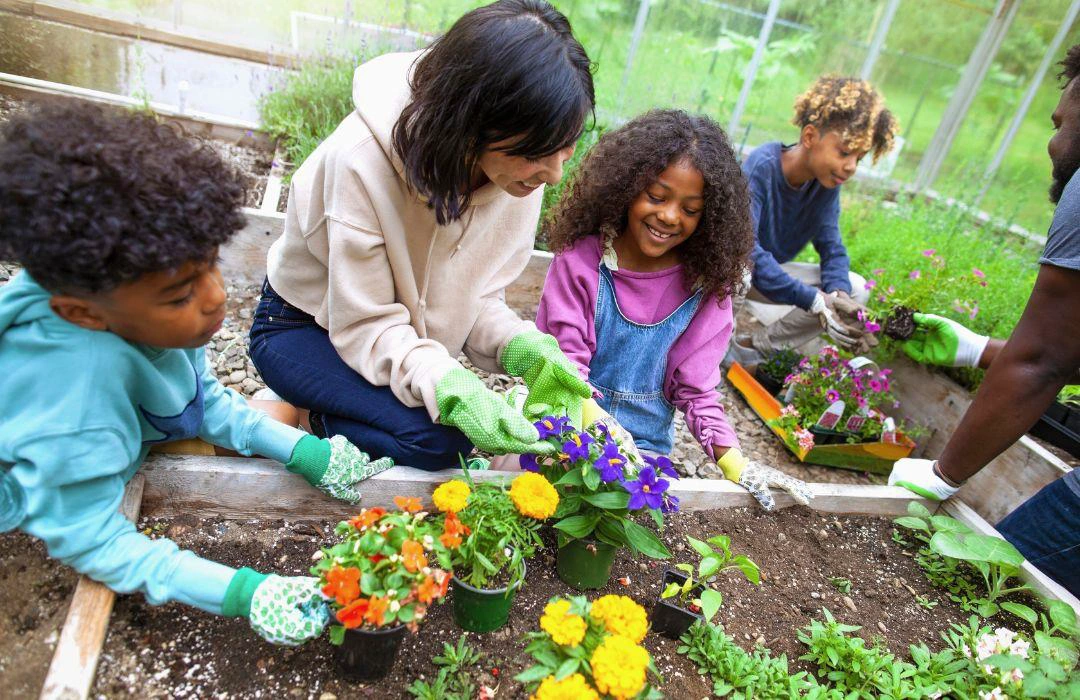
One of the most powerful things about a homeschool co-op is the opportunity for children to learn how to collaborate, listen, and solve problems together. Group activities naturally encourage teamwork, and even simple lessons can help kids build these important life skills.
For example, LearningHub offers a lesson on Why Teamwork Matters, which explores how working together helps children reach shared goals, support one another, and build confidence in group settings. Lessons like this are perfect for co-op days because they can spark discussion and lead directly into hands-on activities.
In a co-op setting, you might:
- Start with a short group lesson about teamwork.
- Have kids work together on a small project like gardening, building something simple, or solving a challenge.
- Encourage them to practice helping, listening, and cheering each other on.
- Wrap up with a group reflection about what worked well when they collaborated.
These kinds of lessons help children see that learning is not just about subjects like reading or science, it is also about learning how to work with others, share ideas, and support their community.
If you’re planning co-op activities, you can explore the example lesson here.
Takeaway: Structured group lessons can make co-op days more meaningful while helping children develop teamwork and social skills that will benefit them for years to come.
Managing Logistics and Practical Details
While your homeschool co-op is the community, a few practical details will help things run more smoothly. Setting clear expectations from the beginning helps prevent misunderstandings later on.
- Establish a “sick policy.” Make sure everyone agrees on when to stay home to keep the group healthy.
- Discuss costs. If your group plans to buy supplies or rent a space, decide how those costs will be shared. Many groups keep it very low cost by asking each family to bring their own supplies.
- Determine a schedule. Even a loose schedule can help kids feel more comfortable. For example, you might start with 30 minutes of free play, followed by a snack and a group activity, and end with more free play.
If you are looking for more help on how to structure your time, this article on planning your homeschool year can help you see how a co-op fits into your overall family flow.
Takeaway: A little bit of organization at the start creates a more peaceful experience for everyone involved.
Embracing the Social Benefits for Kids and Parents
One of the biggest reasons families look for a homeschool community is for socialization. It is a common myth that homeschooled kids do not get enough social interaction, but the truth is that they often have richer social lives because they are interacting with people of all ages in real world settings.
- Multi-age interaction. In a co-op, younger kids learn from older ones, and older kids learn how to be patient and helpful with the little ones. This mimics real life much better than being grouped only with peers of the same age.
- Parental support. Do not underestimate the value of having other parents to talk to. Being able to share your challenges and successes with people who understand your lifestyle is incredibly validating.
- Deep friendships. Because co-ops often meet regularly over a long period, children have the chance to form very deep, lasting bonds.
For more information on how to navigate the social side of homeschooling, you can read about homeschool socialization and busting common myths, which provides great data on why these organic connections are so beneficial.
Takeaway: The social connections formed in a co-op are often deeper and more meaningful than those formed in a traditional classroom.
Overcoming Common Hurdles
Starting something new always comes with a few bumps in the road. You might find that some families come and go, or that your initial plan needs to change. That is completely normal. The key is to remain flexible and keep your focus on the goal of building a supportive homeschool community.
- Attendance shifts. Do not take it personally if a family decides the group isn’t the right fit for them. Every family has different needs at different times.
- Varying styles. You might have one family who is very “unschooling” and another that is more structured. As long as everyone is respectful and shares the same core values for the group time, these differences can actually enrich the experience.
- Communication issues. If a conflict arises, address it early and kindly. Remember that everyone in the group is there because they want a better environment for their children.
If you ever feel like your days are getting a bit too cluttered, LearningHub.com has a wonderful resource on finding your flow and time management that can help you balance your co-op commitments with your home life.
Takeaway: Flexibility and open communication are the keys to a long lasting and happy co-op.
The Joy of Building Something Together
Building a homeschool co-op is about so much more than just finding a few classes for your kids. It is about creating a village that supports your whole family. It is about finding the parents who will text you when you are having a hard day and the kids who will become your children’s lifelong friends.
As you begin this journey, remember that you do not have to have all the answers. You are learning right alongside your children. The fact that you are looking for ways to enrich their lives and connect with others shows what a dedicated parent you are. Embrace the messy, beautiful process of building community, and enjoy the freedom that comes with it.
At LearningHub.com, we are committed to providing you with the tools and encouragement you need to make your homeschooling journey a success. With interactive lessons for your child, we are here for you every step of the way.
Takeaway: Your efforts to build community will pay off in the form of deep connections and a richer learning experience for your children.
Ready to Enhance Your Homeschool Journey
Starting a co-op is a wonderful way to find community, but you also need the right tools to keep the learning journey exciting at home. Create your free LearningHub.com account today and unlock thousands of flexible, interest led lessons and playlists designed to help you and your children enjoy the freedom of homeschooling while finding your own unique flow.
References
Journal of School Psychology. (n.d.). Impact of Homeschooling on Social and Emotional Adjustment. Retrieved from https://onlinelibrary.wiley.com/doi/abs/10.1002/9781118926895.ch6?msockid=2cf2aa4454ab6adc3cc4bf0855326b4f

