
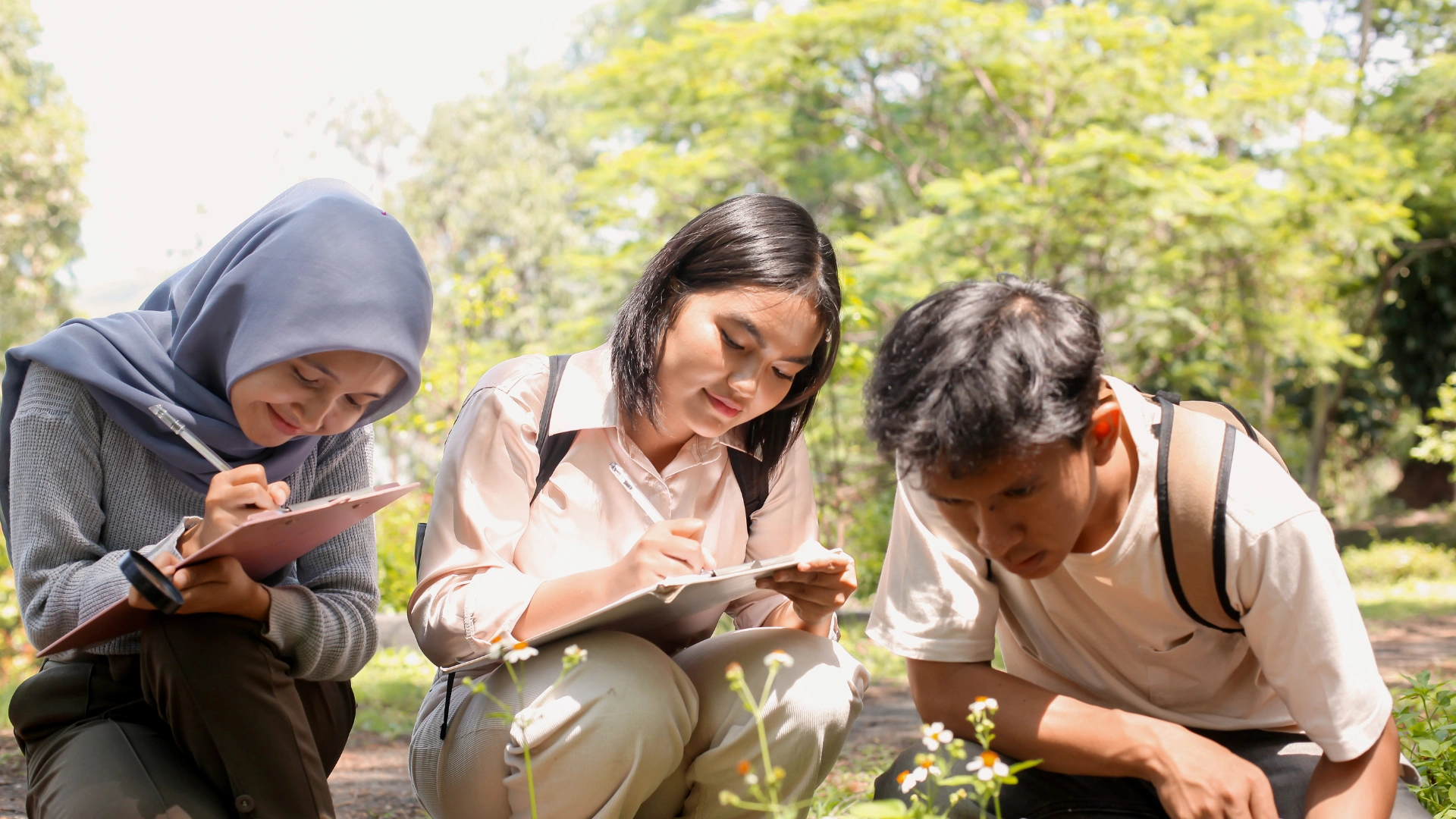
Homeschooling parents often feel the immense responsibility of providing rich and engaging experiences for their children. It is a weight we carry with love and intention, a silent promise to nurture curiosity and a lifelong love of learning. Maybe you are at the beginning of your journey, feeling overwhelmed by all the options, or perhaps you are a seasoned homeschooler looking to shake things up. Wherever you are, there is one place that holds endless possibility for every age and every interest: the great outdoors. Embracing outdoor learning homeschool experiences can transform even a simple walk into an unforgettable lesson.
Stepping outside can feel like a deep breath for both you and your children. It is an instant reset, a gentle way to connect with the world and each other. The pressure to “get it right” fades away, replaced by the simple joy of discovery. This is the heart of taking your homeschool science outdoors—not as a separate subject to be checked off, but as a natural, joyful extension of your family’s life together. It is about trading a worksheet for a walking stick and a textbook for a trail.
What is Outdoor Learning?
At its core, outdoor learning is simply a shift in perspective. It is the recognition that the world around us is filled with lessons waiting to be found. It is not about formal education taking place outside but about embracing the spontaneous, child-led discoveries that happen naturally when you are in nature. It is watching a spider spin a web and discussing its engineering prowess. It is collecting leaves and noticing how each one is unique. Nature exploration for kids is the key. The beauty of this approach is that it is free and accessible to everyone, whether you have a large backyard, a local park, or a nearby hiking trail. It is less about what you have and more about how you see the world.
Embracing Hands-on Science and Spontaneous Discovery
One of the most profound benefits of taking learning outside is the way it brings concepts to life. You do not have to explain photosynthesis in a textbook when you can watch a tiny seedling push its way toward the sun. These are the moments that stick with us. Hands-on science activities become effortless when you are exploring the natural world.
Start by simply observing. Encourage your children to ask questions like, “What sound does the wind make in the trees?” or “Why does the creek water look so clear today?” These open-ended questions spark curiosity and lead to deeper learning. For the younger ones, it might be about the texture of a rock or the color of a flower. For older children, it can lead to discussions about ecosystems, geology, or botany.
You can also try some simple, fun activities:
- Leaf Rubbings: Place a leaf under a piece of paper and rub a crayon over it to reveal the intricate veins. This is a wonderful way to study different leaf shapes and patterns.
- Creating a “Nature Journal”: This is a beautiful way to document your discoveries. You can sketch what you see, write a few words about it, or even tape in a small leaf or flower petal. They help children slow down and really look at what they find outside. Art supplies like colored pencils, watercolors, and charcoal add depth to nature studies.
- Building a Debris Dam: On a rainy day, find a small stream or gutter and have your children build a dam out of sticks, leaves, and mud. This is a brilliant way to explore engineering, water flow, and problem solving.
The Magic of a Simple Outdoor Kit
You do not need a lot of fancy equipment to get started. The most important thing is a spirit of curiosity. However, having a few simple tools on hand can enrich your outdoor education homeschool adventures. You can put together a small backpack with these essentials, and your children will be ready for anything:
- Magnifying glasses for examining small details
- Collection containers for temporary specimen study
- Field guides for local plants and animals
- Measuring tape for size comparisons
- Small trowel for soil exploration
These tools empower children to be their own investigators and scientists. They turn a simple walk into an expedition. For more great ideas on how to use nature in your homeschool, you can check out this article from CleverHomeschool.com, which offers some wonderful suggestions.
Moving Beyond Academic Learning
While outdoor learning is incredible for science, it also nurtures so many other parts of your child’s development. It can build resilience, confidence, and a sense of wonder. Climbing a tree, balancing on a fallen log, or navigating a new trail all teach children about their own capabilities. They learn to assess risks, overcome small challenges, and trust their bodies.
These moments of unstructured play are crucial. In our blog article we talk about when children are allowed to explore without a specific goal, they build creativity and problem-solving skills. They invent games, tell stories, and work together to build shelters or find hidden treasures. This is where the magic of homeschooling truly shines—in the freedom to let these moments unfold naturally without a strict timeline.
To see even more benefits of taking learning outside, you can read this article from OutdoorEdAdventures.com, which shares the top five reasons homeschooling families should try outdoor education. It is a fantastic reminder of the holistic benefits of this approach.
Finding Support in Your Journey
As you embrace outdoor education in your homeschool routine and let nature guide your family, remember that you are not alone. There is a whole community of homeschooling families who are walking this path with you. It is a journey of discovery for both you and your children, full of unexpected joys and simple moments of awe.
The beauty of a spontaneous discovery, like finding a unique rock or a new type of insect, is that it can spark a deeper dive into a subject. This is where LearningHub.com can be a wonderful companion to your adventures. Our mission is to be an ultimate resource, supporting and enriching every step of your educational journey. Our platform is designed to support the kind of child-led, interest-driven learning that happens so beautifully outdoors.
For example, if your child becomes fascinated by the life cycle of a butterfly, you can dive into our vast library of over 15,000 dynamic online lessons. You can search for lessons on entomology, botany, or even environmental science to build on their curiosity. Our lessons are expertly crafted to enhance skills in core subjects, world languages, and electives for all stages of your child’s educational journey. You can explore our curated playlists designed to sharpen specific skills or, better yet, unleash your creativity by building your own personalized playlists to follow your child’s unique path.
We believe that learning is limitless, and we are here to help you connect those incredible outdoor moments to a deeper, more structured exploration whenever you feel inspired.
If you are curious about connecting with other families who are embracing the outdoors and child-led learning, or if you simply want a powerful tool to complement your outdoor learning homeschool adventures, a great first step is to create a free account at LearningHub.com. You will find a wealth of ideas, and the resources to make every discovery a launching point for a new learning journey.
References
Clever Homeschool. (n.d.). Using Nature and Outdoor Learning in Your Homeschool. Retrieved from https://www.cleverhomeschool.com/using-nature-and-outdoor-learning-in-your-homeschool/
OutdoorEdAdventures. (n.d.). Top 5 Reasons Homeschooling Families Should Try Outdoor Education. Retrieved from https://outdooredadventures.com/top-5-reasons-homeschooling-families-should-try-outdoor-education/

