
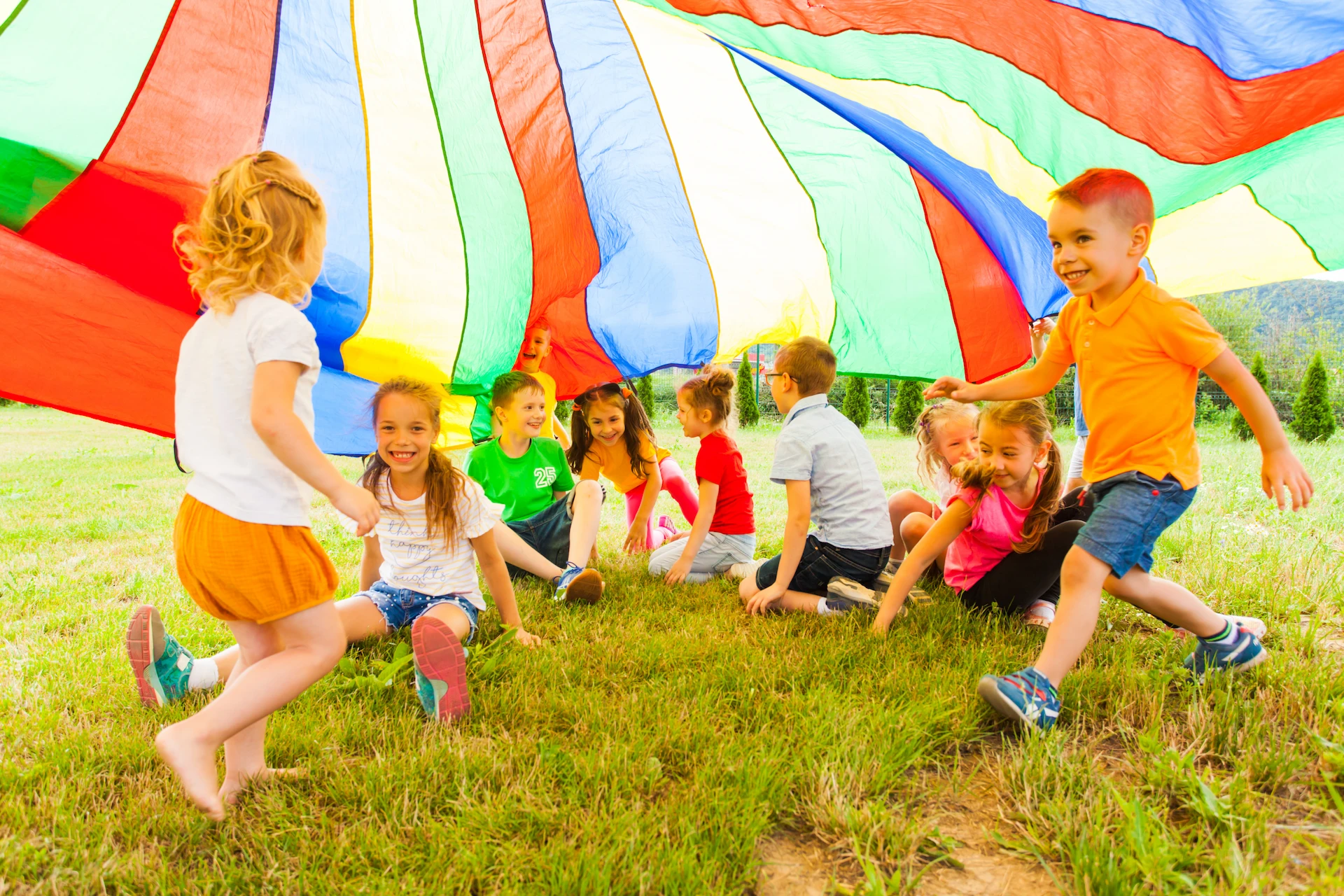
When you step away from the structure of traditional schooling, one of the biggest mental shifts is realizing that learning doesn’t have to look like a desk, a worksheet, or a checklist. Sometimes, the most powerful learning happens with muddy hands, wild imaginations, and giggles echoing across a backyard. If you’ve ever wondered whether play “counts” as learning, especially in your journey into home schooling… you’re in the right place.
This blog is a love letter to learning through play: what it means, why it matters, and how it can become one of the richest parts of your homeschooling life.
What Does “Learning Through Play” Really Mean?
Learning through play is exactly what it sounds like, children exploring the world, trying new ideas, and developing new skills while they play. It’s not just a break between lessons; it is the lesson. Whether they’re building forts, hosting pretend tea parties, or inventing their own games, children are:
- Practicing problem-solving
- Developing social and emotional skills
- Exploring creativity and curiosity
- Strengthening their bodies and brains
This kind of hands-on, child-led learning isn’t a side dish, it’s the main course, especially for younger kids. And yes, it absolutely counts as “real” education.
Play Builds Brains, Not Just Blocks
When your child is stacking blocks, they’re not just building a tower. They’re learning about balance, cause and effect, spatial awareness, and even early math skills. The same goes for pretend play, it’s a deep dive into language, empathy, and storytelling. These are foundational parts of child development, not fluff.
And unlike traditional worksheets, play naturally adapts to your child’s pace, interests, and ideas. It’s home education at its finest, flexible, responsive, and joyful. Want more on this? Here are great tips on following your child’s natural rhythm through play.
You Don’t Need to “Make It Educational”
One of the biggest home-schooling tips we can offer? Let go of the need to turn every play moment into a formal “lesson.” You don’t need to quiz your child after they’ve built a Lego spaceship. You don’t need to sneak spelling words into their pretend restaurant menu.
Trust that play is doing the work. The benefits of play, improved brain development, emotional regulation, social growth… happen naturally, without us hovering or scripting it.
If you’re transitioning into home schooling, this mindset shift is key. Learning doesn’t always need to be packaged in school-like ways to be valid. Curious about home schooling? Free Range Scholars offers a helpful overview of child-led education.
Real-Life Examples of Learning Through Play
Need some inspiration or reassurance? Here are just a few real-world examples of learning through play in action:
- Mud kitchen mayhem: When your child mixes up “recipes” with water and dirt, they’re not just getting messy; they’re exploring early science concepts like properties of matter, cause and effect, and measurement.
- Dinosaur dig in the sandbox: This isn’t just imaginative play. They’re diving into history, developing an understanding of paleontology, and practicing sequencing events as they unearth their prehistoric treasures.
- Cardboard box cities: From designing structures to telling stories, your child is engaging in engineering, design thinking, storytelling, and collaboration all rolled into one magnificent, imaginative world.
- Board games as math class: Every roll of the dice, every move on the board, reinforces counting, strategy, and even patience. It’s hands-on math that doesn’t feel like work.
If you’ve ever felt that your child “just played all day,” we hope you know now: that is learning. Beautiful, meaningful, developmentally appropriate learning. And at the Learning Hub, we’re here to help you understand and support every step of that playful journey.
You’re Doing Enough... Yes, Really
There’s so much pressure out there to make learning look a certain way. But play is how children are wired to grow and understand the world. It’s their natural language. If your days are full of make-believe, creativity, curiosity, and movement, you’re doing more than enough.
Home school doesn’t need to replicate school. It can be freer, gentler, and more connected. Let your child lead and trust the magic of play.
Gentle Next Steps
If this resonated with you and you’re ready to embrace more play-based learning, we invite you to explore LearningHub.com. You can create a free account, no pressure, no tests, just inspiration and tools to support your homeschooling journey, your way.
You’ll find playful, customizable lesson playlists, hands-on activities, and a community that gets the beauty of child-led learning.
References
Acemaker Parenting. (n.d.). Paying Attention to a Child’s Natural Rhythm. Retrieved from https://acemakerparenting.com/paying-attention-to-a-childs-natural-rhythm/
Free Range Scholars. (n.d.). The Power of Child-Led Learning. Retrieved from https://freerangescholars.com/child-led-learning/

