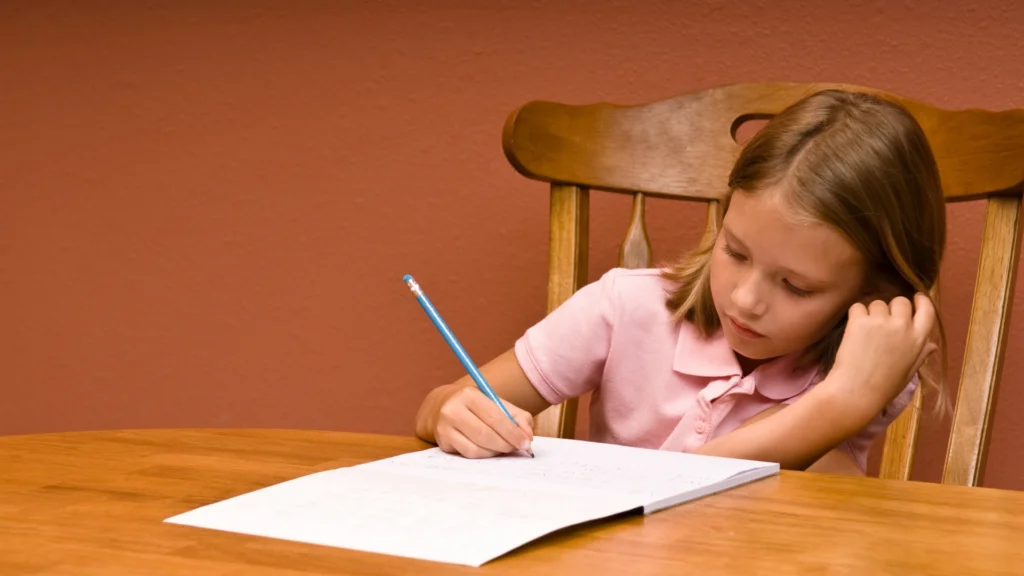
When you first begin your homeschooling journey, it’s easy to feel the pressure to “do it all.” We’re often focused on the core skills, making sure our children are comfortable with reading and understanding numbers. But there’s a whole world of learning that opens up when we step beyond the basics and weave creative writing homeschool practices into our days.
We know the feeling. You see a blank page and wonder how to even begin. Maybe your child struggles to put their thoughts on paper, or perhaps they have so many ideas they get overwhelmed. The beautiful thing about homeschooling is that we get to throw out the rulebook and meet our children exactly where they are. We don’t have to follow a rigid outline. Instead, we can create a nurturing space where their ideas are celebrated and their imagination is the real guide. This isn’t about perfectly formed stories or correct punctuation. It’s about opening a door to self-expression, critical thinking, and a deeper understanding of the world around them.
What is Creative Writing, Anyway?
Before we dive in, let’s talk about what we mean by creative writing. Forget the idea of a formal assignment. In our homes, it’s simply the act of using words to express imagination. It’s about storytelling, whether that’s through a fantastical tale, a simple poem, a journal entry about a dream, or even a script for a puppet show.
This type of writing is less about getting a single right answer and more about exploring possibilities. It’s a way for children to make sense of their feelings, develop characters and worlds, and play with language. It’s the moment when they realize that words aren’t just for reading, they’re for creating. When we approach writing activities for homeschool with this mindset, we’re not just building literacy skills; we’re giving our children a powerful tool for self-discovery.
Setting the Stage for Creative Writing
One of the biggest hurdles to any kind of writing is just getting started. As homeschooling parents, we have the unique opportunity to make the environment inviting rather than intimidating.
Start with a Spark: You don’t need a formal prompt. Instead, think about what sparks your child’s interest. Do they love dinosaurs? Maybe the story starts with a dinosaur finding a mysterious glowing rock. Are they fascinated by space? The story could be about an alien looking for their lost pet. The more connected they feel to the starting idea, the more likely they are to dive in.
Remove the Pressure: A blank page can feel like a lot of pressure. Instead of saying, “Write a story,” try suggesting, “Tell me what happens next.” You can be the scribe, writing down their ideas as they talk. This is especially helpful for younger children or those who struggle with the physical act of writing. You can also start with drawings or acting it out. The story is what matters most; the words will follow.
Make it a Shared Experience: Sometimes the best writing activities for homeschool happen together. Create a story one sentence at a time, each person adding a new line. This takes the pressure off of a single person and turns it into a collaborative game. You can even write letters to each other as fictional characters.
Embracing Different Kinds of Writing
Creative writing doesn’t have to look the same every day. The beauty of homeschooling is the freedom to explore different forms of expression.
Poetry and Rhymes: Simple rhyming poems are a great way to play with language. You can make it a scavenger hunt, asking your child to find things in the house that rhyme with “cat” or “boat.” Haikus are also wonderful for teaching observation and concise language. They don’t have to be perfect; the goal is just to have fun with words. For extra inspiration, That Homeschool Family has a great spring haiku poem activity with ideas your kids can try.
Journaling and Reflection: A simple journal can be a powerful tool. It can be a diary of their day, a place for dreams, or a space to invent new worlds. The key is to make it a no-judgment zone. This is for them, and it doesn’t need to be read or corrected. This helps build homeschool literacy skills in a private, low-stakes way.
Role-playing and Scripts: If your child loves to perform, turn their stories into plays. They can write the dialogue for their favorite characters or invent new ones. This type of writing naturally teaches them about dialogue, character development, and plot. Bonus points if you put on a family performance!
Finding Inspiration Everywhere
The world is full of story starters; we just have to notice them. This is where the magic of creative writing in homeschool truly shines.
Go Outside: Nature is a fountain of inspiration. Ask your child to describe the color of the leaves, the sound of the wind, or the way a squirrel scampers up a tree. These observations are the building blocks of descriptive writing. They can write a story from the perspective of an animal they see or a tree in the yard.
Use Your Senses: Encourage your child to pay attention to what they see, hear, smell, taste, and touch. Instead of saying “the cookie was good,” ask them to describe the crispy edges, the warm smell of cinnamon, and the way the chocolate melts in their mouth. This sensory detail is what makes a story come to life.
learninghub.com/ has a variety of engaging resources that can help you find fresh ideas and inspiration for these activities, ensuring that the process of building homeschool literacy skills remains both fun and educational. Our platform is designed to support your unique approach to learning, providing tools and suggestions without a rigid structure.
Practical Tips for Your Writing Journey
Sometimes the day gets busy and these kinds of activities can fall by the wayside. Here are a few simple tips to keep the momentum going.
- Keep it Accessible: Have notebooks, pencils, or crayons readily available in a few places in your home. This makes it easy for your child to jot down an idea whenever inspiration strikes, whether they’re on the couch or in the kitchen.
- Celebrate the Process, Not Just the Product: This is so important. Acknowledge the effort they put in, the brave choice they made to start writing, and the creativity they showed. Praise the funny character they invented or the descriptive word they used. The focus should be on the joy of creating, not on achieving a perfect end result. Sometimes the day gets busy and these kinds of activities can fall by the wayside. Here are a few simple tips to keep the momentum going, think of them as daily homeschool activities you can adapt anytime.
- Give Them a “Why”: A great way to motivate children is to give their writing a purpose. Maybe they’re writing a story to share with a grandparent, creating a family newsletter, or writing the text for a comic book. A clear purpose can make the process more meaningful.
- Let Go of the “Rules”: As mentioned earlier, it’s important to remember that these activities are building blocks. Heart and Soul Homeschooling has a great article on why these skills are important, showing how creative writing teaches critical life skills like problem-solving and communication. Don’t worry about spelling or grammar in the initial draft. Those things can be polished later. The goal is to get the ideas out.
As your family embraces creative writing at home, you might find that the stories and projects start to pile up. This is a wonderful opportunity to teach a new lesson. According to the Home Educators Association of Virginia (HEAV), you can encourage children to view their past work as building blocks for future projects. Have them practice typing their finished stories and then use parts of them as new story starters. This helps reduce paper waste and teaches them a lifelong learning attitude.
Creative writing is a great way to connect with your child’s imagination and help them develop fundamental homeschool literacy skills in a way that feels natural and joyful. It’s not another chore; it’s an adventure. It’s a chance to see the world through their eyes and give them the tools to share it with you and with others.
Ready to find more inspiration and resources to support your family’s unique learning journey? You can create a free account at learninghub.com/ and explore a world of tools designed to help you and your child spark their imagination and love of creative writing.
References
Heart and Soul Homeschooling. (n.d.). Why Creative Writing Skills are Important. Retrieved from https://heartandsoulhomeschooling.com/creative-writing-homeschool/
Home Educators Association of Virginia. (n.d.). Creative Writing. Retrieved from https://heav.org/creative-writing-homeschool/
That Homeschool Family. (n.d.). Spring Haiku Poem Activity for Kids. Retrieved from https://thathomeschoolfamily.com/spring-haiku-poem-activity-kids/