

- Practice communicative writing in a variety of formats
- Learn to collaborate through storytelling and roleplay
- Apply creative writing techniques to pen pals, scripts, or family newsletters
- Build confidence in sharing ideas with peers and adults
All of this happens without the pressure of grades or rigid schedules. Instead, the focus is on exploration, curiosity, and connection, exactly what homeschool socialization should feel like.
Create your free LearningHub.com account today and give your child the tools to write, connect, and collaborate in ways that feel alive and engaging. There is no subscription required, just a supportive space to discover what works for your unique learner.
References
Heart and Soul Homeschooling. (n.d.). Why Creative Writing Skills are Important. Retrieved from https://heartandsoulhomeschooling.com/creative-writing-homeschool/
Homeschool Mastery Academy. (n.d.). Homeschool Curriculum, Resources & Encouragement. Retrieved from https://homeschoolmasteryacademy.com/
[/vc_column_text][/vc_column][/vc_row]
So encourage the passed notes and the silly comic strips and the family newsletters. These are not distractions from their education. They are the evidence of a child who is learning to reach out and touch the world with their words.
Ready to Expand Your Resources?
If you are looking for more ways to spark curiosity and connection in your homeschool journey we are here to help. LearningHub.com is designed to support families like yours with a vast library of interactive lessons and tools that respect your freedom and flexibility.
One resource we especially love for blending writing and social skills is our Writing in LearningHub curated playlist. These lessons provide instruction on everything from organizing your ideas to choosing the right tone, helping children gain confidence in their writing while keeping it fun and meaningful. You can explore the playlist here: Writing in LearningHub.
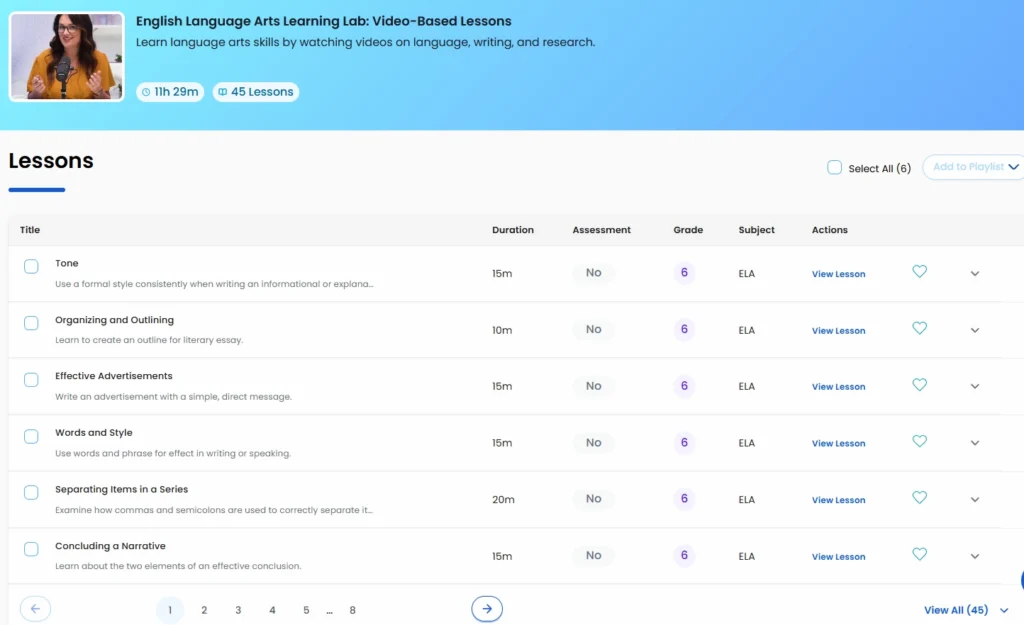
Using these lessons, children can:
- Practice communicative writing in a variety of formats
- Learn to collaborate through storytelling and roleplay
- Apply creative writing techniques to pen pals, scripts, or family newsletters
- Build confidence in sharing ideas with peers and adults
All of this happens without the pressure of grades or rigid schedules. Instead, the focus is on exploration, curiosity, and connection, exactly what homeschool socialization should feel like.
Create your free LearningHub.com account today and give your child the tools to write, connect, and collaborate in ways that feel alive and engaging. There is no subscription required, just a supportive space to discover what works for your unique learner.
References
Heart and Soul Homeschooling. (n.d.). Why Creative Writing Skills are Important. Retrieved from https://heartandsoulhomeschooling.com/creative-writing-homeschool/
Homeschool Mastery Academy. (n.d.). Homeschool Curriculum, Resources & Encouragement. Retrieved from https://homeschoolmasteryacademy.com/
[/vc_column_text][/vc_column][/vc_row]
Building a Culture of Communication
The goal of all these activities is to weave writing into the fabric of your social life. We want our children to see writing not as a chore to be endured but as a bridge to other people. Whether they are scribbling a note to a friend or collaborating on a fantasy novel they are learning that their words matter.
This journey does not require a strict schedule. It requires a willingness to say yes to the messy and creative and sometimes chaotic process of communicating. It means prioritizing connection over correction.
When we focus on the relationship first the skills naturally follow. A child who wants to write a letter to a pen pal will eventually ask how to spell “friend.” A child who wants to write a play will ask about punctuation so their actors know when to pause. The desire to connect drives the learning.
So encourage the passed notes and the silly comic strips and the family newsletters. These are not distractions from their education. They are the evidence of a child who is learning to reach out and touch the world with their words.
Ready to Expand Your Resources?
If you are looking for more ways to spark curiosity and connection in your homeschool journey we are here to help. LearningHub.com is designed to support families like yours with a vast library of interactive lessons and tools that respect your freedom and flexibility.
One resource we especially love for blending writing and social skills is our Writing in LearningHub curated playlist. These lessons provide instruction on everything from organizing your ideas to choosing the right tone, helping children gain confidence in their writing while keeping it fun and meaningful. You can explore the playlist here: Writing in LearningHub.
Using these lessons, children can:
- Practice communicative writing in a variety of formats
- Learn to collaborate through storytelling and roleplay
- Apply creative writing techniques to pen pals, scripts, or family newsletters
- Build confidence in sharing ideas with peers and adults
All of this happens without the pressure of grades or rigid schedules. Instead, the focus is on exploration, curiosity, and connection, exactly what homeschool socialization should feel like.
Create your free LearningHub.com account today and give your child the tools to write, connect, and collaborate in ways that feel alive and engaging. There is no subscription required, just a supportive space to discover what works for your unique learner.
References
Heart and Soul Homeschooling. (n.d.). Why Creative Writing Skills are Important. Retrieved from https://heartandsoulhomeschooling.com/creative-writing-homeschool/
Homeschool Mastery Academy. (n.d.). Homeschool Curriculum, Resources & Encouragement. Retrieved from https://homeschoolmasteryacademy.com/
[/vc_column_text][/vc_column][/vc_row]For older children starting a private blog or a video channel shared only with family can be very empowering.
- Comment Sections: Teach them how to write kind and constructive comments on their friends’ or siblings’ posts.
- Audience Awareness: Discuss who is watching or reading and how that changes what we say.
Building a Culture of Communication
The goal of all these activities is to weave writing into the fabric of your social life. We want our children to see writing not as a chore to be endured but as a bridge to other people. Whether they are scribbling a note to a friend or collaborating on a fantasy novel they are learning that their words matter.
This journey does not require a strict schedule. It requires a willingness to say yes to the messy and creative and sometimes chaotic process of communicating. It means prioritizing connection over correction.
When we focus on the relationship first the skills naturally follow. A child who wants to write a letter to a pen pal will eventually ask how to spell “friend.” A child who wants to write a play will ask about punctuation so their actors know when to pause. The desire to connect drives the learning.
So encourage the passed notes and the silly comic strips and the family newsletters. These are not distractions from their education. They are the evidence of a child who is learning to reach out and touch the world with their words.
Ready to Expand Your Resources?
If you are looking for more ways to spark curiosity and connection in your homeschool journey we are here to help. LearningHub.com is designed to support families like yours with a vast library of interactive lessons and tools that respect your freedom and flexibility.
One resource we especially love for blending writing and social skills is our Writing in LearningHub curated playlist. These lessons provide instruction on everything from organizing your ideas to choosing the right tone, helping children gain confidence in their writing while keeping it fun and meaningful. You can explore the playlist here: Writing in LearningHub.
Using these lessons, children can:
- Practice communicative writing in a variety of formats
- Learn to collaborate through storytelling and roleplay
- Apply creative writing techniques to pen pals, scripts, or family newsletters
- Build confidence in sharing ideas with peers and adults
All of this happens without the pressure of grades or rigid schedules. Instead, the focus is on exploration, curiosity, and connection, exactly what homeschool socialization should feel like.
Create your free LearningHub.com account today and give your child the tools to write, connect, and collaborate in ways that feel alive and engaging. There is no subscription required, just a supportive space to discover what works for your unique learner.
References
Heart and Soul Homeschooling. (n.d.). Why Creative Writing Skills are Important. Retrieved from https://heartandsoulhomeschooling.com/creative-writing-homeschool/
Homeschool Mastery Academy. (n.d.). Homeschool Curriculum, Resources & Encouragement. Retrieved from https://homeschoolmasteryacademy.com/
[/vc_column_text][/vc_column][/vc_row]
For older children starting a private blog or a video channel shared only with family can be very empowering.
- Comment Sections: Teach them how to write kind and constructive comments on their friends’ or siblings’ posts.
- Audience Awareness: Discuss who is watching or reading and how that changes what we say.
Building a Culture of Communication
The goal of all these activities is to weave writing into the fabric of your social life. We want our children to see writing not as a chore to be endured but as a bridge to other people. Whether they are scribbling a note to a friend or collaborating on a fantasy novel they are learning that their words matter.
This journey does not require a strict schedule. It requires a willingness to say yes to the messy and creative and sometimes chaotic process of communicating. It means prioritizing connection over correction.
When we focus on the relationship first the skills naturally follow. A child who wants to write a letter to a pen pal will eventually ask how to spell “friend.” A child who wants to write a play will ask about punctuation so their actors know when to pause. The desire to connect drives the learning.
So encourage the passed notes and the silly comic strips and the family newsletters. These are not distractions from their education. They are the evidence of a child who is learning to reach out and touch the world with their words.
Ready to Expand Your Resources?
If you are looking for more ways to spark curiosity and connection in your homeschool journey we are here to help. LearningHub.com is designed to support families like yours with a vast library of interactive lessons and tools that respect your freedom and flexibility.
One resource we especially love for blending writing and social skills is our Writing in LearningHub curated playlist. These lessons provide instruction on everything from organizing your ideas to choosing the right tone, helping children gain confidence in their writing while keeping it fun and meaningful. You can explore the playlist here: Writing in LearningHub.
Using these lessons, children can:
- Practice communicative writing in a variety of formats
- Learn to collaborate through storytelling and roleplay
- Apply creative writing techniques to pen pals, scripts, or family newsletters
- Build confidence in sharing ideas with peers and adults
All of this happens without the pressure of grades or rigid schedules. Instead, the focus is on exploration, curiosity, and connection, exactly what homeschool socialization should feel like.
Create your free LearningHub.com account today and give your child the tools to write, connect, and collaborate in ways that feel alive and engaging. There is no subscription required, just a supportive space to discover what works for your unique learner.
References
Heart and Soul Homeschooling. (n.d.). Why Creative Writing Skills are Important. Retrieved from https://heartandsoulhomeschooling.com/creative-writing-homeschool/
Homeschool Mastery Academy. (n.d.). Homeschool Curriculum, Resources & Encouragement. Retrieved from https://homeschoolmasteryacademy.com/
[/vc_column_text][/vc_column][/vc_row]
Using a platform like LearningHub.com allows your child to take ownership of their interests. When a child feels confident in what they know they are more likely to share that knowledge with others. You can use the resources there to host a “presentation night” where your child shares what they have learned with the family using notes they have written themselves.
Blog or Vlog Creation:
For older children starting a private blog or a video channel shared only with family can be very empowering.
- Comment Sections: Teach them how to write kind and constructive comments on their friends’ or siblings’ posts.
- Audience Awareness: Discuss who is watching or reading and how that changes what we say.
Building a Culture of Communication
The goal of all these activities is to weave writing into the fabric of your social life. We want our children to see writing not as a chore to be endured but as a bridge to other people. Whether they are scribbling a note to a friend or collaborating on a fantasy novel they are learning that their words matter.
This journey does not require a strict schedule. It requires a willingness to say yes to the messy and creative and sometimes chaotic process of communicating. It means prioritizing connection over correction.
When we focus on the relationship first the skills naturally follow. A child who wants to write a letter to a pen pal will eventually ask how to spell “friend.” A child who wants to write a play will ask about punctuation so their actors know when to pause. The desire to connect drives the learning.
So encourage the passed notes and the silly comic strips and the family newsletters. These are not distractions from their education. They are the evidence of a child who is learning to reach out and touch the world with their words.
Ready to Expand Your Resources?
If you are looking for more ways to spark curiosity and connection in your homeschool journey we are here to help. LearningHub.com is designed to support families like yours with a vast library of interactive lessons and tools that respect your freedom and flexibility.
One resource we especially love for blending writing and social skills is our Writing in LearningHub curated playlist. These lessons provide instruction on everything from organizing your ideas to choosing the right tone, helping children gain confidence in their writing while keeping it fun and meaningful. You can explore the playlist here: Writing in LearningHub.
Using these lessons, children can:
- Practice communicative writing in a variety of formats
- Learn to collaborate through storytelling and roleplay
- Apply creative writing techniques to pen pals, scripts, or family newsletters
- Build confidence in sharing ideas with peers and adults
All of this happens without the pressure of grades or rigid schedules. Instead, the focus is on exploration, curiosity, and connection, exactly what homeschool socialization should feel like.
Create your free LearningHub.com account today and give your child the tools to write, connect, and collaborate in ways that feel alive and engaging. There is no subscription required, just a supportive space to discover what works for your unique learner.
References
Heart and Soul Homeschooling. (n.d.). Why Creative Writing Skills are Important. Retrieved from https://heartandsoulhomeschooling.com/creative-writing-homeschool/
Homeschool Mastery Academy. (n.d.). Homeschool Curriculum, Resources & Encouragement. Retrieved from https://homeschoolmasteryacademy.com/
[/vc_column_text][/vc_column][/vc_row]
We have a deep dive on using the outdoors for education in our article the great outdoors your ultimate classroom for homeschool learning. It explores how nature provides the perfect backdrop for a wide variety of learning styles and social interactions.
Digital Connections and Safe Spaces
In our modern world digital literacy is a form of social literacy. Learning to communicate kindly and clearly online is a skill our children will need. While we often worry about screen time there are ways to use technology to foster connection.
LearningHub.com offers a unique opportunity for families to explore topics together. Because you can access playlists based on interests it is easy to find topics that spark conversation. You might watch a video about deep-sea creatures and then write a story together about living in a submarine.
Using a platform like LearningHub.com allows your child to take ownership of their interests. When a child feels confident in what they know they are more likely to share that knowledge with others. You can use the resources there to host a “presentation night” where your child shares what they have learned with the family using notes they have written themselves.
Blog or Vlog Creation:
For older children starting a private blog or a video channel shared only with family can be very empowering.
- Comment Sections: Teach them how to write kind and constructive comments on their friends’ or siblings’ posts.
- Audience Awareness: Discuss who is watching or reading and how that changes what we say.
Building a Culture of Communication
The goal of all these activities is to weave writing into the fabric of your social life. We want our children to see writing not as a chore to be endured but as a bridge to other people. Whether they are scribbling a note to a friend or collaborating on a fantasy novel they are learning that their words matter.
This journey does not require a strict schedule. It requires a willingness to say yes to the messy and creative and sometimes chaotic process of communicating. It means prioritizing connection over correction.
When we focus on the relationship first the skills naturally follow. A child who wants to write a letter to a pen pal will eventually ask how to spell “friend.” A child who wants to write a play will ask about punctuation so their actors know when to pause. The desire to connect drives the learning.
So encourage the passed notes and the silly comic strips and the family newsletters. These are not distractions from their education. They are the evidence of a child who is learning to reach out and touch the world with their words.
Ready to Expand Your Resources?
If you are looking for more ways to spark curiosity and connection in your homeschool journey we are here to help. LearningHub.com is designed to support families like yours with a vast library of interactive lessons and tools that respect your freedom and flexibility.
One resource we especially love for blending writing and social skills is our Writing in LearningHub curated playlist. These lessons provide instruction on everything from organizing your ideas to choosing the right tone, helping children gain confidence in their writing while keeping it fun and meaningful. You can explore the playlist here: Writing in LearningHub.
Using these lessons, children can:
- Practice communicative writing in a variety of formats
- Learn to collaborate through storytelling and roleplay
- Apply creative writing techniques to pen pals, scripts, or family newsletters
- Build confidence in sharing ideas with peers and adults
All of this happens without the pressure of grades or rigid schedules. Instead, the focus is on exploration, curiosity, and connection, exactly what homeschool socialization should feel like.
Create your free LearningHub.com account today and give your child the tools to write, connect, and collaborate in ways that feel alive and engaging. There is no subscription required, just a supportive space to discover what works for your unique learner.
References
Heart and Soul Homeschooling. (n.d.). Why Creative Writing Skills are Important. Retrieved from https://heartandsoulhomeschooling.com/creative-writing-homeschool/
Homeschool Mastery Academy. (n.d.). Homeschool Curriculum, Resources & Encouragement. Retrieved from https://homeschoolmasteryacademy.com/
[/vc_column_text][/vc_column][/vc_row]Forming a nature journaling club with other homeschooling families provides a structured social time that is low-pressure. Children can sit side-by-side sketching a tree or describing a bird. The shared focus reduces social anxiety. There is no need to make small talk when you are both busy observing an anthill.
Tips for a Successful Club:
- Keep it Simple: All you need is a notebook and pencils and a place to explore.
- Share Discoveries: After a period of quiet observation gather in a circle. Let each child share one thing they noticed or wrote down.
- Collaborative Field Guide: Create a binder where everyone contributes a page about local plants or animals. Over time you will build a unique guide to your area created by the group.
We have a deep dive on using the outdoors for education in our article the great outdoors your ultimate classroom for homeschool learning. It explores how nature provides the perfect backdrop for a wide variety of learning styles and social interactions.
Digital Connections and Safe Spaces
In our modern world digital literacy is a form of social literacy. Learning to communicate kindly and clearly online is a skill our children will need. While we often worry about screen time there are ways to use technology to foster connection.
LearningHub.com offers a unique opportunity for families to explore topics together. Because you can access playlists based on interests it is easy to find topics that spark conversation. You might watch a video about deep-sea creatures and then write a story together about living in a submarine.
Using a platform like LearningHub.com allows your child to take ownership of their interests. When a child feels confident in what they know they are more likely to share that knowledge with others. You can use the resources there to host a “presentation night” where your child shares what they have learned with the family using notes they have written themselves.
Blog or Vlog Creation:
For older children starting a private blog or a video channel shared only with family can be very empowering.
- Comment Sections: Teach them how to write kind and constructive comments on their friends’ or siblings’ posts.
- Audience Awareness: Discuss who is watching or reading and how that changes what we say.
Building a Culture of Communication
The goal of all these activities is to weave writing into the fabric of your social life. We want our children to see writing not as a chore to be endured but as a bridge to other people. Whether they are scribbling a note to a friend or collaborating on a fantasy novel they are learning that their words matter.
This journey does not require a strict schedule. It requires a willingness to say yes to the messy and creative and sometimes chaotic process of communicating. It means prioritizing connection over correction.
When we focus on the relationship first the skills naturally follow. A child who wants to write a letter to a pen pal will eventually ask how to spell “friend.” A child who wants to write a play will ask about punctuation so their actors know when to pause. The desire to connect drives the learning.
So encourage the passed notes and the silly comic strips and the family newsletters. These are not distractions from their education. They are the evidence of a child who is learning to reach out and touch the world with their words.
Ready to Expand Your Resources?
If you are looking for more ways to spark curiosity and connection in your homeschool journey we are here to help. LearningHub.com is designed to support families like yours with a vast library of interactive lessons and tools that respect your freedom and flexibility.
One resource we especially love for blending writing and social skills is our Writing in LearningHub curated playlist. These lessons provide instruction on everything from organizing your ideas to choosing the right tone, helping children gain confidence in their writing while keeping it fun and meaningful. You can explore the playlist here: Writing in LearningHub.
Using these lessons, children can:
- Practice communicative writing in a variety of formats
- Learn to collaborate through storytelling and roleplay
- Apply creative writing techniques to pen pals, scripts, or family newsletters
- Build confidence in sharing ideas with peers and adults
All of this happens without the pressure of grades or rigid schedules. Instead, the focus is on exploration, curiosity, and connection, exactly what homeschool socialization should feel like.
Create your free LearningHub.com account today and give your child the tools to write, connect, and collaborate in ways that feel alive and engaging. There is no subscription required, just a supportive space to discover what works for your unique learner.
References
Heart and Soul Homeschooling. (n.d.). Why Creative Writing Skills are Important. Retrieved from https://heartandsoulhomeschooling.com/creative-writing-homeschool/
Homeschool Mastery Academy. (n.d.). Homeschool Curriculum, Resources & Encouragement. Retrieved from https://homeschoolmasteryacademy.com/
[/vc_column_text][/vc_column][/vc_row]
Forming a nature journaling club with other homeschooling families provides a structured social time that is low-pressure. Children can sit side-by-side sketching a tree or describing a bird. The shared focus reduces social anxiety. There is no need to make small talk when you are both busy observing an anthill.
Tips for a Successful Club:
- Keep it Simple: All you need is a notebook and pencils and a place to explore.
- Share Discoveries: After a period of quiet observation gather in a circle. Let each child share one thing they noticed or wrote down.
- Collaborative Field Guide: Create a binder where everyone contributes a page about local plants or animals. Over time you will build a unique guide to your area created by the group.
We have a deep dive on using the outdoors for education in our article the great outdoors your ultimate classroom for homeschool learning. It explores how nature provides the perfect backdrop for a wide variety of learning styles and social interactions.
Digital Connections and Safe Spaces
In our modern world digital literacy is a form of social literacy. Learning to communicate kindly and clearly online is a skill our children will need. While we often worry about screen time there are ways to use technology to foster connection.
LearningHub.com offers a unique opportunity for families to explore topics together. Because you can access playlists based on interests it is easy to find topics that spark conversation. You might watch a video about deep-sea creatures and then write a story together about living in a submarine.
Using a platform like LearningHub.com allows your child to take ownership of their interests. When a child feels confident in what they know they are more likely to share that knowledge with others. You can use the resources there to host a “presentation night” where your child shares what they have learned with the family using notes they have written themselves.
Blog or Vlog Creation:
For older children starting a private blog or a video channel shared only with family can be very empowering.
- Comment Sections: Teach them how to write kind and constructive comments on their friends’ or siblings’ posts.
- Audience Awareness: Discuss who is watching or reading and how that changes what we say.
Building a Culture of Communication
The goal of all these activities is to weave writing into the fabric of your social life. We want our children to see writing not as a chore to be endured but as a bridge to other people. Whether they are scribbling a note to a friend or collaborating on a fantasy novel they are learning that their words matter.
This journey does not require a strict schedule. It requires a willingness to say yes to the messy and creative and sometimes chaotic process of communicating. It means prioritizing connection over correction.
When we focus on the relationship first the skills naturally follow. A child who wants to write a letter to a pen pal will eventually ask how to spell “friend.” A child who wants to write a play will ask about punctuation so their actors know when to pause. The desire to connect drives the learning.
So encourage the passed notes and the silly comic strips and the family newsletters. These are not distractions from their education. They are the evidence of a child who is learning to reach out and touch the world with their words.
Ready to Expand Your Resources?
If you are looking for more ways to spark curiosity and connection in your homeschool journey we are here to help. LearningHub.com is designed to support families like yours with a vast library of interactive lessons and tools that respect your freedom and flexibility.
One resource we especially love for blending writing and social skills is our Writing in LearningHub curated playlist. These lessons provide instruction on everything from organizing your ideas to choosing the right tone, helping children gain confidence in their writing while keeping it fun and meaningful. You can explore the playlist here: Writing in LearningHub.
Using these lessons, children can:
- Practice communicative writing in a variety of formats
- Learn to collaborate through storytelling and roleplay
- Apply creative writing techniques to pen pals, scripts, or family newsletters
- Build confidence in sharing ideas with peers and adults
All of this happens without the pressure of grades or rigid schedules. Instead, the focus is on exploration, curiosity, and connection, exactly what homeschool socialization should feel like.
Create your free LearningHub.com account today and give your child the tools to write, connect, and collaborate in ways that feel alive and engaging. There is no subscription required, just a supportive space to discover what works for your unique learner.
References
Heart and Soul Homeschooling. (n.d.). Why Creative Writing Skills are Important. Retrieved from https://heartandsoulhomeschooling.com/creative-writing-homeschool/
Homeschool Mastery Academy. (n.d.). Homeschool Curriculum, Resources & Encouragement. Retrieved from https://homeschoolmasteryacademy.com/
[/vc_column_text][/vc_column][/vc_row]
You can find more inspiration for projects like this in our guide on creative writing for homeschoolers sparking imagination and fun. It is full of actionable ideas to keep the writing process fresh and engaging for learners of all ages.
Nature Journaling Clubs
For families who love the outdoors nature journaling is a beautiful way to blend science and art and writing. While journaling can be a solo activity it becomes a rich social experience when done in a group.
Forming a nature journaling club with other homeschooling families provides a structured social time that is low-pressure. Children can sit side-by-side sketching a tree or describing a bird. The shared focus reduces social anxiety. There is no need to make small talk when you are both busy observing an anthill.
Tips for a Successful Club:
- Keep it Simple: All you need is a notebook and pencils and a place to explore.
- Share Discoveries: After a period of quiet observation gather in a circle. Let each child share one thing they noticed or wrote down.
- Collaborative Field Guide: Create a binder where everyone contributes a page about local plants or animals. Over time you will build a unique guide to your area created by the group.
We have a deep dive on using the outdoors for education in our article the great outdoors your ultimate classroom for homeschool learning. It explores how nature provides the perfect backdrop for a wide variety of learning styles and social interactions.
Digital Connections and Safe Spaces
In our modern world digital literacy is a form of social literacy. Learning to communicate kindly and clearly online is a skill our children will need. While we often worry about screen time there are ways to use technology to foster connection.
LearningHub.com offers a unique opportunity for families to explore topics together. Because you can access playlists based on interests it is easy to find topics that spark conversation. You might watch a video about deep-sea creatures and then write a story together about living in a submarine.
Using a platform like LearningHub.com allows your child to take ownership of their interests. When a child feels confident in what they know they are more likely to share that knowledge with others. You can use the resources there to host a “presentation night” where your child shares what they have learned with the family using notes they have written themselves.
Blog or Vlog Creation:
For older children starting a private blog or a video channel shared only with family can be very empowering.
- Comment Sections: Teach them how to write kind and constructive comments on their friends’ or siblings’ posts.
- Audience Awareness: Discuss who is watching or reading and how that changes what we say.
Building a Culture of Communication
The goal of all these activities is to weave writing into the fabric of your social life. We want our children to see writing not as a chore to be endured but as a bridge to other people. Whether they are scribbling a note to a friend or collaborating on a fantasy novel they are learning that their words matter.
This journey does not require a strict schedule. It requires a willingness to say yes to the messy and creative and sometimes chaotic process of communicating. It means prioritizing connection over correction.
When we focus on the relationship first the skills naturally follow. A child who wants to write a letter to a pen pal will eventually ask how to spell “friend.” A child who wants to write a play will ask about punctuation so their actors know when to pause. The desire to connect drives the learning.
So encourage the passed notes and the silly comic strips and the family newsletters. These are not distractions from their education. They are the evidence of a child who is learning to reach out and touch the world with their words.
Ready to Expand Your Resources?
If you are looking for more ways to spark curiosity and connection in your homeschool journey we are here to help. LearningHub.com is designed to support families like yours with a vast library of interactive lessons and tools that respect your freedom and flexibility.
One resource we especially love for blending writing and social skills is our Writing in LearningHub curated playlist. These lessons provide instruction on everything from organizing your ideas to choosing the right tone, helping children gain confidence in their writing while keeping it fun and meaningful. You can explore the playlist here: Writing in LearningHub.
Using these lessons, children can:
- Practice communicative writing in a variety of formats
- Learn to collaborate through storytelling and roleplay
- Apply creative writing techniques to pen pals, scripts, or family newsletters
- Build confidence in sharing ideas with peers and adults
All of this happens without the pressure of grades or rigid schedules. Instead, the focus is on exploration, curiosity, and connection, exactly what homeschool socialization should feel like.
Create your free LearningHub.com account today and give your child the tools to write, connect, and collaborate in ways that feel alive and engaging. There is no subscription required, just a supportive space to discover what works for your unique learner.
References
Heart and Soul Homeschooling. (n.d.). Why Creative Writing Skills are Important. Retrieved from https://heartandsoulhomeschooling.com/creative-writing-homeschool/
Homeschool Mastery Academy. (n.d.). Homeschool Curriculum, Resources & Encouragement. Retrieved from https://homeschoolmasteryacademy.com/
[/vc_column_text][/vc_column][/vc_row]This project gives writing a clear purpose. The audience is built-in whether it is grandparents or friends or just the household. It also validates the events of your daily life making everyone feel seen and important.
Sections to Include:
- The Interview: Have your child interview a family member. They can ask Dad about his first job or ask Grandma about her childhood pet. This fosters intergenerational connection.
- The Review: Let them review a book they read or a meal they ate or a park they visited. This teaches them to express opinions respectfully.
- The Advice Column: This can be silly or serious. Siblings can ask for advice on problems like “how to keep my room clean” or “how to convince Mom to get a puppy.”
You can find more inspiration for projects like this in our guide on creative writing for homeschoolers sparking imagination and fun. It is full of actionable ideas to keep the writing process fresh and engaging for learners of all ages.
Nature Journaling Clubs
For families who love the outdoors nature journaling is a beautiful way to blend science and art and writing. While journaling can be a solo activity it becomes a rich social experience when done in a group.
Forming a nature journaling club with other homeschooling families provides a structured social time that is low-pressure. Children can sit side-by-side sketching a tree or describing a bird. The shared focus reduces social anxiety. There is no need to make small talk when you are both busy observing an anthill.
Tips for a Successful Club:
- Keep it Simple: All you need is a notebook and pencils and a place to explore.
- Share Discoveries: After a period of quiet observation gather in a circle. Let each child share one thing they noticed or wrote down.
- Collaborative Field Guide: Create a binder where everyone contributes a page about local plants or animals. Over time you will build a unique guide to your area created by the group.
We have a deep dive on using the outdoors for education in our article the great outdoors your ultimate classroom for homeschool learning. It explores how nature provides the perfect backdrop for a wide variety of learning styles and social interactions.
Digital Connections and Safe Spaces
In our modern world digital literacy is a form of social literacy. Learning to communicate kindly and clearly online is a skill our children will need. While we often worry about screen time there are ways to use technology to foster connection.
LearningHub.com offers a unique opportunity for families to explore topics together. Because you can access playlists based on interests it is easy to find topics that spark conversation. You might watch a video about deep-sea creatures and then write a story together about living in a submarine.
Using a platform like LearningHub.com allows your child to take ownership of their interests. When a child feels confident in what they know they are more likely to share that knowledge with others. You can use the resources there to host a “presentation night” where your child shares what they have learned with the family using notes they have written themselves.
Blog or Vlog Creation:
For older children starting a private blog or a video channel shared only with family can be very empowering.
- Comment Sections: Teach them how to write kind and constructive comments on their friends’ or siblings’ posts.
- Audience Awareness: Discuss who is watching or reading and how that changes what we say.
Building a Culture of Communication
The goal of all these activities is to weave writing into the fabric of your social life. We want our children to see writing not as a chore to be endured but as a bridge to other people. Whether they are scribbling a note to a friend or collaborating on a fantasy novel they are learning that their words matter.
This journey does not require a strict schedule. It requires a willingness to say yes to the messy and creative and sometimes chaotic process of communicating. It means prioritizing connection over correction.
When we focus on the relationship first the skills naturally follow. A child who wants to write a letter to a pen pal will eventually ask how to spell “friend.” A child who wants to write a play will ask about punctuation so their actors know when to pause. The desire to connect drives the learning.
So encourage the passed notes and the silly comic strips and the family newsletters. These are not distractions from their education. They are the evidence of a child who is learning to reach out and touch the world with their words.
Ready to Expand Your Resources?
If you are looking for more ways to spark curiosity and connection in your homeschool journey we are here to help. LearningHub.com is designed to support families like yours with a vast library of interactive lessons and tools that respect your freedom and flexibility.
One resource we especially love for blending writing and social skills is our Writing in LearningHub curated playlist. These lessons provide instruction on everything from organizing your ideas to choosing the right tone, helping children gain confidence in their writing while keeping it fun and meaningful. You can explore the playlist here: Writing in LearningHub.
Using these lessons, children can:
- Practice communicative writing in a variety of formats
- Learn to collaborate through storytelling and roleplay
- Apply creative writing techniques to pen pals, scripts, or family newsletters
- Build confidence in sharing ideas with peers and adults
All of this happens without the pressure of grades or rigid schedules. Instead, the focus is on exploration, curiosity, and connection, exactly what homeschool socialization should feel like.
Create your free LearningHub.com account today and give your child the tools to write, connect, and collaborate in ways that feel alive and engaging. There is no subscription required, just a supportive space to discover what works for your unique learner.
References
Heart and Soul Homeschooling. (n.d.). Why Creative Writing Skills are Important. Retrieved from https://heartandsoulhomeschooling.com/creative-writing-homeschool/
Homeschool Mastery Academy. (n.d.). Homeschool Curriculum, Resources & Encouragement. Retrieved from https://homeschoolmasteryacademy.com/
[/vc_column_text][/vc_column][/vc_row]
This project gives writing a clear purpose. The audience is built-in whether it is grandparents or friends or just the household. It also validates the events of your daily life making everyone feel seen and important.
Sections to Include:
- The Interview: Have your child interview a family member. They can ask Dad about his first job or ask Grandma about her childhood pet. This fosters intergenerational connection.
- The Review: Let them review a book they read or a meal they ate or a park they visited. This teaches them to express opinions respectfully.
- The Advice Column: This can be silly or serious. Siblings can ask for advice on problems like “how to keep my room clean” or “how to convince Mom to get a puppy.”
You can find more inspiration for projects like this in our guide on creative writing for homeschoolers sparking imagination and fun. It is full of actionable ideas to keep the writing process fresh and engaging for learners of all ages.
Nature Journaling Clubs
For families who love the outdoors nature journaling is a beautiful way to blend science and art and writing. While journaling can be a solo activity it becomes a rich social experience when done in a group.
Forming a nature journaling club with other homeschooling families provides a structured social time that is low-pressure. Children can sit side-by-side sketching a tree or describing a bird. The shared focus reduces social anxiety. There is no need to make small talk when you are both busy observing an anthill.
Tips for a Successful Club:
- Keep it Simple: All you need is a notebook and pencils and a place to explore.
- Share Discoveries: After a period of quiet observation gather in a circle. Let each child share one thing they noticed or wrote down.
- Collaborative Field Guide: Create a binder where everyone contributes a page about local plants or animals. Over time you will build a unique guide to your area created by the group.
We have a deep dive on using the outdoors for education in our article the great outdoors your ultimate classroom for homeschool learning. It explores how nature provides the perfect backdrop for a wide variety of learning styles and social interactions.
Digital Connections and Safe Spaces
In our modern world digital literacy is a form of social literacy. Learning to communicate kindly and clearly online is a skill our children will need. While we often worry about screen time there are ways to use technology to foster connection.
LearningHub.com offers a unique opportunity for families to explore topics together. Because you can access playlists based on interests it is easy to find topics that spark conversation. You might watch a video about deep-sea creatures and then write a story together about living in a submarine.
Using a platform like LearningHub.com allows your child to take ownership of their interests. When a child feels confident in what they know they are more likely to share that knowledge with others. You can use the resources there to host a “presentation night” where your child shares what they have learned with the family using notes they have written themselves.
Blog or Vlog Creation:
For older children starting a private blog or a video channel shared only with family can be very empowering.
- Comment Sections: Teach them how to write kind and constructive comments on their friends’ or siblings’ posts.
- Audience Awareness: Discuss who is watching or reading and how that changes what we say.
Building a Culture of Communication
The goal of all these activities is to weave writing into the fabric of your social life. We want our children to see writing not as a chore to be endured but as a bridge to other people. Whether they are scribbling a note to a friend or collaborating on a fantasy novel they are learning that their words matter.
This journey does not require a strict schedule. It requires a willingness to say yes to the messy and creative and sometimes chaotic process of communicating. It means prioritizing connection over correction.
When we focus on the relationship first the skills naturally follow. A child who wants to write a letter to a pen pal will eventually ask how to spell “friend.” A child who wants to write a play will ask about punctuation so their actors know when to pause. The desire to connect drives the learning.
So encourage the passed notes and the silly comic strips and the family newsletters. These are not distractions from their education. They are the evidence of a child who is learning to reach out and touch the world with their words.
Ready to Expand Your Resources?
If you are looking for more ways to spark curiosity and connection in your homeschool journey we are here to help. LearningHub.com is designed to support families like yours with a vast library of interactive lessons and tools that respect your freedom and flexibility.
One resource we especially love for blending writing and social skills is our Writing in LearningHub curated playlist. These lessons provide instruction on everything from organizing your ideas to choosing the right tone, helping children gain confidence in their writing while keeping it fun and meaningful. You can explore the playlist here: Writing in LearningHub.
Using these lessons, children can:
- Practice communicative writing in a variety of formats
- Learn to collaborate through storytelling and roleplay
- Apply creative writing techniques to pen pals, scripts, or family newsletters
- Build confidence in sharing ideas with peers and adults
All of this happens without the pressure of grades or rigid schedules. Instead, the focus is on exploration, curiosity, and connection, exactly what homeschool socialization should feel like.
Create your free LearningHub.com account today and give your child the tools to write, connect, and collaborate in ways that feel alive and engaging. There is no subscription required, just a supportive space to discover what works for your unique learner.
References
Heart and Soul Homeschooling. (n.d.). Why Creative Writing Skills are Important. Retrieved from https://heartandsoulhomeschooling.com/creative-writing-homeschool/
Homeschool Mastery Academy. (n.d.). Homeschool Curriculum, Resources & Encouragement. Retrieved from https://homeschoolmasteryacademy.com/
[/vc_column_text][/vc_column][/vc_row]
If you need more support in finding resources that align with this gentle approach you might appreciate the list of options from Homeschool Mastery Academy. They provide a curated selection of tools and encouragement that can help you tailor your resources to your family’s unique needs.
The Family Newspaper
Reporting and journalism are excellent ways to build social confidence. To write a good story a reporter must ask questions and listen carefully to the answers. Creating a family newspaper or newsletter allows children to practice these skills in a safe environment.
This project gives writing a clear purpose. The audience is built-in whether it is grandparents or friends or just the household. It also validates the events of your daily life making everyone feel seen and important.
Sections to Include:
- The Interview: Have your child interview a family member. They can ask Dad about his first job or ask Grandma about her childhood pet. This fosters intergenerational connection.
- The Review: Let them review a book they read or a meal they ate or a park they visited. This teaches them to express opinions respectfully.
- The Advice Column: This can be silly or serious. Siblings can ask for advice on problems like “how to keep my room clean” or “how to convince Mom to get a puppy.”
You can find more inspiration for projects like this in our guide on creative writing for homeschoolers sparking imagination and fun. It is full of actionable ideas to keep the writing process fresh and engaging for learners of all ages.
Nature Journaling Clubs
For families who love the outdoors nature journaling is a beautiful way to blend science and art and writing. While journaling can be a solo activity it becomes a rich social experience when done in a group.
Forming a nature journaling club with other homeschooling families provides a structured social time that is low-pressure. Children can sit side-by-side sketching a tree or describing a bird. The shared focus reduces social anxiety. There is no need to make small talk when you are both busy observing an anthill.
Tips for a Successful Club:
- Keep it Simple: All you need is a notebook and pencils and a place to explore.
- Share Discoveries: After a period of quiet observation gather in a circle. Let each child share one thing they noticed or wrote down.
- Collaborative Field Guide: Create a binder where everyone contributes a page about local plants or animals. Over time you will build a unique guide to your area created by the group.
We have a deep dive on using the outdoors for education in our article the great outdoors your ultimate classroom for homeschool learning. It explores how nature provides the perfect backdrop for a wide variety of learning styles and social interactions.
Digital Connections and Safe Spaces
In our modern world digital literacy is a form of social literacy. Learning to communicate kindly and clearly online is a skill our children will need. While we often worry about screen time there are ways to use technology to foster connection.
LearningHub.com offers a unique opportunity for families to explore topics together. Because you can access playlists based on interests it is easy to find topics that spark conversation. You might watch a video about deep-sea creatures and then write a story together about living in a submarine.
Using a platform like LearningHub.com allows your child to take ownership of their interests. When a child feels confident in what they know they are more likely to share that knowledge with others. You can use the resources there to host a “presentation night” where your child shares what they have learned with the family using notes they have written themselves.
Blog or Vlog Creation:
For older children starting a private blog or a video channel shared only with family can be very empowering.
- Comment Sections: Teach them how to write kind and constructive comments on their friends’ or siblings’ posts.
- Audience Awareness: Discuss who is watching or reading and how that changes what we say.
Building a Culture of Communication
The goal of all these activities is to weave writing into the fabric of your social life. We want our children to see writing not as a chore to be endured but as a bridge to other people. Whether they are scribbling a note to a friend or collaborating on a fantasy novel they are learning that their words matter.
This journey does not require a strict schedule. It requires a willingness to say yes to the messy and creative and sometimes chaotic process of communicating. It means prioritizing connection over correction.
When we focus on the relationship first the skills naturally follow. A child who wants to write a letter to a pen pal will eventually ask how to spell “friend.” A child who wants to write a play will ask about punctuation so their actors know when to pause. The desire to connect drives the learning.
So encourage the passed notes and the silly comic strips and the family newsletters. These are not distractions from their education. They are the evidence of a child who is learning to reach out and touch the world with their words.
Ready to Expand Your Resources?
If you are looking for more ways to spark curiosity and connection in your homeschool journey we are here to help. LearningHub.com is designed to support families like yours with a vast library of interactive lessons and tools that respect your freedom and flexibility.
One resource we especially love for blending writing and social skills is our Writing in LearningHub curated playlist. These lessons provide instruction on everything from organizing your ideas to choosing the right tone, helping children gain confidence in their writing while keeping it fun and meaningful. You can explore the playlist here: Writing in LearningHub.
Using these lessons, children can:
- Practice communicative writing in a variety of formats
- Learn to collaborate through storytelling and roleplay
- Apply creative writing techniques to pen pals, scripts, or family newsletters
- Build confidence in sharing ideas with peers and adults
All of this happens without the pressure of grades or rigid schedules. Instead, the focus is on exploration, curiosity, and connection, exactly what homeschool socialization should feel like.
Create your free LearningHub.com account today and give your child the tools to write, connect, and collaborate in ways that feel alive and engaging. There is no subscription required, just a supportive space to discover what works for your unique learner.
References
Heart and Soul Homeschooling. (n.d.). Why Creative Writing Skills are Important. Retrieved from https://heartandsoulhomeschooling.com/creative-writing-homeschool/
Homeschool Mastery Academy. (n.d.). Homeschool Curriculum, Resources & Encouragement. Retrieved from https://homeschoolmasteryacademy.com/
[/vc_column_text][/vc_column][/vc_row]
This is a great tool for handling real-life conflicts. If siblings have an argument wait until everyone has calmed down. Then ask them to write a “script” of how the interaction could have gone differently.
- Identify the Turning Point: Where did the conversation go wrong?
- Rewrite the Lines: meaningful change happens when we practice better responses. Have them write new dialogue that shows listening and compromise.
- Read it Aloud: Hearing the peaceful resolution can help reset the emotional atmosphere in the home.
If you need more support in finding resources that align with this gentle approach you might appreciate the list of options from Homeschool Mastery Academy. They provide a curated selection of tools and encouragement that can help you tailor your resources to your family’s unique needs.
The Family Newspaper
Reporting and journalism are excellent ways to build social confidence. To write a good story a reporter must ask questions and listen carefully to the answers. Creating a family newspaper or newsletter allows children to practice these skills in a safe environment.
This project gives writing a clear purpose. The audience is built-in whether it is grandparents or friends or just the household. It also validates the events of your daily life making everyone feel seen and important.
Sections to Include:
- The Interview: Have your child interview a family member. They can ask Dad about his first job or ask Grandma about her childhood pet. This fosters intergenerational connection.
- The Review: Let them review a book they read or a meal they ate or a park they visited. This teaches them to express opinions respectfully.
- The Advice Column: This can be silly or serious. Siblings can ask for advice on problems like “how to keep my room clean” or “how to convince Mom to get a puppy.”
You can find more inspiration for projects like this in our guide on creative writing for homeschoolers sparking imagination and fun. It is full of actionable ideas to keep the writing process fresh and engaging for learners of all ages.
Nature Journaling Clubs
For families who love the outdoors nature journaling is a beautiful way to blend science and art and writing. While journaling can be a solo activity it becomes a rich social experience when done in a group.
Forming a nature journaling club with other homeschooling families provides a structured social time that is low-pressure. Children can sit side-by-side sketching a tree or describing a bird. The shared focus reduces social anxiety. There is no need to make small talk when you are both busy observing an anthill.
Tips for a Successful Club:
- Keep it Simple: All you need is a notebook and pencils and a place to explore.
- Share Discoveries: After a period of quiet observation gather in a circle. Let each child share one thing they noticed or wrote down.
- Collaborative Field Guide: Create a binder where everyone contributes a page about local plants or animals. Over time you will build a unique guide to your area created by the group.
We have a deep dive on using the outdoors for education in our article the great outdoors your ultimate classroom for homeschool learning. It explores how nature provides the perfect backdrop for a wide variety of learning styles and social interactions.
Digital Connections and Safe Spaces
In our modern world digital literacy is a form of social literacy. Learning to communicate kindly and clearly online is a skill our children will need. While we often worry about screen time there are ways to use technology to foster connection.
LearningHub.com offers a unique opportunity for families to explore topics together. Because you can access playlists based on interests it is easy to find topics that spark conversation. You might watch a video about deep-sea creatures and then write a story together about living in a submarine.
Using a platform like LearningHub.com allows your child to take ownership of their interests. When a child feels confident in what they know they are more likely to share that knowledge with others. You can use the resources there to host a “presentation night” where your child shares what they have learned with the family using notes they have written themselves.
Blog or Vlog Creation:
For older children starting a private blog or a video channel shared only with family can be very empowering.
- Comment Sections: Teach them how to write kind and constructive comments on their friends’ or siblings’ posts.
- Audience Awareness: Discuss who is watching or reading and how that changes what we say.
Building a Culture of Communication
The goal of all these activities is to weave writing into the fabric of your social life. We want our children to see writing not as a chore to be endured but as a bridge to other people. Whether they are scribbling a note to a friend or collaborating on a fantasy novel they are learning that their words matter.
This journey does not require a strict schedule. It requires a willingness to say yes to the messy and creative and sometimes chaotic process of communicating. It means prioritizing connection over correction.
When we focus on the relationship first the skills naturally follow. A child who wants to write a letter to a pen pal will eventually ask how to spell “friend.” A child who wants to write a play will ask about punctuation so their actors know when to pause. The desire to connect drives the learning.
So encourage the passed notes and the silly comic strips and the family newsletters. These are not distractions from their education. They are the evidence of a child who is learning to reach out and touch the world with their words.
Ready to Expand Your Resources?
If you are looking for more ways to spark curiosity and connection in your homeschool journey we are here to help. LearningHub.com is designed to support families like yours with a vast library of interactive lessons and tools that respect your freedom and flexibility.
One resource we especially love for blending writing and social skills is our Writing in LearningHub curated playlist. These lessons provide instruction on everything from organizing your ideas to choosing the right tone, helping children gain confidence in their writing while keeping it fun and meaningful. You can explore the playlist here: Writing in LearningHub.
Using these lessons, children can:
- Practice communicative writing in a variety of formats
- Learn to collaborate through storytelling and roleplay
- Apply creative writing techniques to pen pals, scripts, or family newsletters
- Build confidence in sharing ideas with peers and adults
All of this happens without the pressure of grades or rigid schedules. Instead, the focus is on exploration, curiosity, and connection, exactly what homeschool socialization should feel like.
Create your free LearningHub.com account today and give your child the tools to write, connect, and collaborate in ways that feel alive and engaging. There is no subscription required, just a supportive space to discover what works for your unique learner.
References
Heart and Soul Homeschooling. (n.d.). Why Creative Writing Skills are Important. Retrieved from https://heartandsoulhomeschooling.com/creative-writing-homeschool/
Homeschool Mastery Academy. (n.d.). Homeschool Curriculum, Resources & Encouragement. Retrieved from https://homeschoolmasteryacademy.com/
[/vc_column_text][/vc_column][/vc_row]
The “Do-Over” Script:
This is a great tool for handling real-life conflicts. If siblings have an argument wait until everyone has calmed down. Then ask them to write a “script” of how the interaction could have gone differently.
- Identify the Turning Point: Where did the conversation go wrong?
- Rewrite the Lines: meaningful change happens when we practice better responses. Have them write new dialogue that shows listening and compromise.
- Read it Aloud: Hearing the peaceful resolution can help reset the emotional atmosphere in the home.
If you need more support in finding resources that align with this gentle approach you might appreciate the list of options from Homeschool Mastery Academy. They provide a curated selection of tools and encouragement that can help you tailor your resources to your family’s unique needs.
The Family Newspaper
Reporting and journalism are excellent ways to build social confidence. To write a good story a reporter must ask questions and listen carefully to the answers. Creating a family newspaper or newsletter allows children to practice these skills in a safe environment.
This project gives writing a clear purpose. The audience is built-in whether it is grandparents or friends or just the household. It also validates the events of your daily life making everyone feel seen and important.
Sections to Include:
- The Interview: Have your child interview a family member. They can ask Dad about his first job or ask Grandma about her childhood pet. This fosters intergenerational connection.
- The Review: Let them review a book they read or a meal they ate or a park they visited. This teaches them to express opinions respectfully.
- The Advice Column: This can be silly or serious. Siblings can ask for advice on problems like “how to keep my room clean” or “how to convince Mom to get a puppy.”
You can find more inspiration for projects like this in our guide on creative writing for homeschoolers sparking imagination and fun. It is full of actionable ideas to keep the writing process fresh and engaging for learners of all ages.
Nature Journaling Clubs
For families who love the outdoors nature journaling is a beautiful way to blend science and art and writing. While journaling can be a solo activity it becomes a rich social experience when done in a group.
Forming a nature journaling club with other homeschooling families provides a structured social time that is low-pressure. Children can sit side-by-side sketching a tree or describing a bird. The shared focus reduces social anxiety. There is no need to make small talk when you are both busy observing an anthill.
Tips for a Successful Club:
- Keep it Simple: All you need is a notebook and pencils and a place to explore.
- Share Discoveries: After a period of quiet observation gather in a circle. Let each child share one thing they noticed or wrote down.
- Collaborative Field Guide: Create a binder where everyone contributes a page about local plants or animals. Over time you will build a unique guide to your area created by the group.
We have a deep dive on using the outdoors for education in our article the great outdoors your ultimate classroom for homeschool learning. It explores how nature provides the perfect backdrop for a wide variety of learning styles and social interactions.
Digital Connections and Safe Spaces
In our modern world digital literacy is a form of social literacy. Learning to communicate kindly and clearly online is a skill our children will need. While we often worry about screen time there are ways to use technology to foster connection.
LearningHub.com offers a unique opportunity for families to explore topics together. Because you can access playlists based on interests it is easy to find topics that spark conversation. You might watch a video about deep-sea creatures and then write a story together about living in a submarine.
Using a platform like LearningHub.com allows your child to take ownership of their interests. When a child feels confident in what they know they are more likely to share that knowledge with others. You can use the resources there to host a “presentation night” where your child shares what they have learned with the family using notes they have written themselves.
Blog or Vlog Creation:
For older children starting a private blog or a video channel shared only with family can be very empowering.
- Comment Sections: Teach them how to write kind and constructive comments on their friends’ or siblings’ posts.
- Audience Awareness: Discuss who is watching or reading and how that changes what we say.
Building a Culture of Communication
The goal of all these activities is to weave writing into the fabric of your social life. We want our children to see writing not as a chore to be endured but as a bridge to other people. Whether they are scribbling a note to a friend or collaborating on a fantasy novel they are learning that their words matter.
This journey does not require a strict schedule. It requires a willingness to say yes to the messy and creative and sometimes chaotic process of communicating. It means prioritizing connection over correction.
When we focus on the relationship first the skills naturally follow. A child who wants to write a letter to a pen pal will eventually ask how to spell “friend.” A child who wants to write a play will ask about punctuation so their actors know when to pause. The desire to connect drives the learning.
So encourage the passed notes and the silly comic strips and the family newsletters. These are not distractions from their education. They are the evidence of a child who is learning to reach out and touch the world with their words.
Ready to Expand Your Resources?
If you are looking for more ways to spark curiosity and connection in your homeschool journey we are here to help. LearningHub.com is designed to support families like yours with a vast library of interactive lessons and tools that respect your freedom and flexibility.
One resource we especially love for blending writing and social skills is our Writing in LearningHub curated playlist. These lessons provide instruction on everything from organizing your ideas to choosing the right tone, helping children gain confidence in their writing while keeping it fun and meaningful. You can explore the playlist here: Writing in LearningHub.
Using these lessons, children can:
- Practice communicative writing in a variety of formats
- Learn to collaborate through storytelling and roleplay
- Apply creative writing techniques to pen pals, scripts, or family newsletters
- Build confidence in sharing ideas with peers and adults
All of this happens without the pressure of grades or rigid schedules. Instead, the focus is on exploration, curiosity, and connection, exactly what homeschool socialization should feel like.
Create your free LearningHub.com account today and give your child the tools to write, connect, and collaborate in ways that feel alive and engaging. There is no subscription required, just a supportive space to discover what works for your unique learner.
References
Heart and Soul Homeschooling. (n.d.). Why Creative Writing Skills are Important. Retrieved from https://heartandsoulhomeschooling.com/creative-writing-homeschool/
Homeschool Mastery Academy. (n.d.). Homeschool Curriculum, Resources & Encouragement. Retrieved from https://homeschoolmasteryacademy.com/
[/vc_column_text][/vc_column][/vc_row]
Creating a Family Play:
- Brainstorm a Scenario: Choose a simple conflict. Maybe two friends want to play with the same toy or a group of explorers gets lost.
- Assign Roles: Let the children decide who will play which part.
- Write the Dialogue: Help them write down what the characters say. Encourage them to think about tone of voice.
- Rehearse and Perform: Act out the scene. This brings the words to life and shows the immediate impact of language.
The “Do-Over” Script:
This is a great tool for handling real-life conflicts. If siblings have an argument wait until everyone has calmed down. Then ask them to write a “script” of how the interaction could have gone differently.
- Identify the Turning Point: Where did the conversation go wrong?
- Rewrite the Lines: meaningful change happens when we practice better responses. Have them write new dialogue that shows listening and compromise.
- Read it Aloud: Hearing the peaceful resolution can help reset the emotional atmosphere in the home.
If you need more support in finding resources that align with this gentle approach you might appreciate the list of options from Homeschool Mastery Academy. They provide a curated selection of tools and encouragement that can help you tailor your resources to your family’s unique needs.
The Family Newspaper
Reporting and journalism are excellent ways to build social confidence. To write a good story a reporter must ask questions and listen carefully to the answers. Creating a family newspaper or newsletter allows children to practice these skills in a safe environment.
This project gives writing a clear purpose. The audience is built-in whether it is grandparents or friends or just the household. It also validates the events of your daily life making everyone feel seen and important.
Sections to Include:
- The Interview: Have your child interview a family member. They can ask Dad about his first job or ask Grandma about her childhood pet. This fosters intergenerational connection.
- The Review: Let them review a book they read or a meal they ate or a park they visited. This teaches them to express opinions respectfully.
- The Advice Column: This can be silly or serious. Siblings can ask for advice on problems like “how to keep my room clean” or “how to convince Mom to get a puppy.”
You can find more inspiration for projects like this in our guide on creative writing for homeschoolers sparking imagination and fun. It is full of actionable ideas to keep the writing process fresh and engaging for learners of all ages.
Nature Journaling Clubs
For families who love the outdoors nature journaling is a beautiful way to blend science and art and writing. While journaling can be a solo activity it becomes a rich social experience when done in a group.
Forming a nature journaling club with other homeschooling families provides a structured social time that is low-pressure. Children can sit side-by-side sketching a tree or describing a bird. The shared focus reduces social anxiety. There is no need to make small talk when you are both busy observing an anthill.
Tips for a Successful Club:
- Keep it Simple: All you need is a notebook and pencils and a place to explore.
- Share Discoveries: After a period of quiet observation gather in a circle. Let each child share one thing they noticed or wrote down.
- Collaborative Field Guide: Create a binder where everyone contributes a page about local plants or animals. Over time you will build a unique guide to your area created by the group.
We have a deep dive on using the outdoors for education in our article the great outdoors your ultimate classroom for homeschool learning. It explores how nature provides the perfect backdrop for a wide variety of learning styles and social interactions.
Digital Connections and Safe Spaces
In our modern world digital literacy is a form of social literacy. Learning to communicate kindly and clearly online is a skill our children will need. While we often worry about screen time there are ways to use technology to foster connection.
LearningHub.com offers a unique opportunity for families to explore topics together. Because you can access playlists based on interests it is easy to find topics that spark conversation. You might watch a video about deep-sea creatures and then write a story together about living in a submarine.
Using a platform like LearningHub.com allows your child to take ownership of their interests. When a child feels confident in what they know they are more likely to share that knowledge with others. You can use the resources there to host a “presentation night” where your child shares what they have learned with the family using notes they have written themselves.
Blog or Vlog Creation:
For older children starting a private blog or a video channel shared only with family can be very empowering.
- Comment Sections: Teach them how to write kind and constructive comments on their friends’ or siblings’ posts.
- Audience Awareness: Discuss who is watching or reading and how that changes what we say.
Building a Culture of Communication
The goal of all these activities is to weave writing into the fabric of your social life. We want our children to see writing not as a chore to be endured but as a bridge to other people. Whether they are scribbling a note to a friend or collaborating on a fantasy novel they are learning that their words matter.
This journey does not require a strict schedule. It requires a willingness to say yes to the messy and creative and sometimes chaotic process of communicating. It means prioritizing connection over correction.
When we focus on the relationship first the skills naturally follow. A child who wants to write a letter to a pen pal will eventually ask how to spell “friend.” A child who wants to write a play will ask about punctuation so their actors know when to pause. The desire to connect drives the learning.
So encourage the passed notes and the silly comic strips and the family newsletters. These are not distractions from their education. They are the evidence of a child who is learning to reach out and touch the world with their words.
Ready to Expand Your Resources?
If you are looking for more ways to spark curiosity and connection in your homeschool journey we are here to help. LearningHub.com is designed to support families like yours with a vast library of interactive lessons and tools that respect your freedom and flexibility.
One resource we especially love for blending writing and social skills is our Writing in LearningHub curated playlist. These lessons provide instruction on everything from organizing your ideas to choosing the right tone, helping children gain confidence in their writing while keeping it fun and meaningful. You can explore the playlist here: Writing in LearningHub.
Using these lessons, children can:
- Practice communicative writing in a variety of formats
- Learn to collaborate through storytelling and roleplay
- Apply creative writing techniques to pen pals, scripts, or family newsletters
- Build confidence in sharing ideas with peers and adults
All of this happens without the pressure of grades or rigid schedules. Instead, the focus is on exploration, curiosity, and connection, exactly what homeschool socialization should feel like.
Create your free LearningHub.com account today and give your child the tools to write, connect, and collaborate in ways that feel alive and engaging. There is no subscription required, just a supportive space to discover what works for your unique learner.
References
Heart and Soul Homeschooling. (n.d.). Why Creative Writing Skills are Important. Retrieved from https://heartandsoulhomeschooling.com/creative-writing-homeschool/
Homeschool Mastery Academy. (n.d.). Homeschool Curriculum, Resources & Encouragement. Retrieved from https://homeschoolmasteryacademy.com/
[/vc_column_text][/vc_column][/vc_row]When a child writes a script they must think about how different characters speak and react. They have to consider motivation. Why is the villain angry? Why is the hero scared? Exploring these emotions on paper helps children recognize and navigate them in real life.
Creating a Family Play:
- Brainstorm a Scenario: Choose a simple conflict. Maybe two friends want to play with the same toy or a group of explorers gets lost.
- Assign Roles: Let the children decide who will play which part.
- Write the Dialogue: Help them write down what the characters say. Encourage them to think about tone of voice.
- Rehearse and Perform: Act out the scene. This brings the words to life and shows the immediate impact of language.
The “Do-Over” Script:
This is a great tool for handling real-life conflicts. If siblings have an argument wait until everyone has calmed down. Then ask them to write a “script” of how the interaction could have gone differently.
- Identify the Turning Point: Where did the conversation go wrong?
- Rewrite the Lines: meaningful change happens when we practice better responses. Have them write new dialogue that shows listening and compromise.
- Read it Aloud: Hearing the peaceful resolution can help reset the emotional atmosphere in the home.
If you need more support in finding resources that align with this gentle approach you might appreciate the list of options from Homeschool Mastery Academy. They provide a curated selection of tools and encouragement that can help you tailor your resources to your family’s unique needs.
The Family Newspaper
Reporting and journalism are excellent ways to build social confidence. To write a good story a reporter must ask questions and listen carefully to the answers. Creating a family newspaper or newsletter allows children to practice these skills in a safe environment.
This project gives writing a clear purpose. The audience is built-in whether it is grandparents or friends or just the household. It also validates the events of your daily life making everyone feel seen and important.
Sections to Include:
- The Interview: Have your child interview a family member. They can ask Dad about his first job or ask Grandma about her childhood pet. This fosters intergenerational connection.
- The Review: Let them review a book they read or a meal they ate or a park they visited. This teaches them to express opinions respectfully.
- The Advice Column: This can be silly or serious. Siblings can ask for advice on problems like “how to keep my room clean” or “how to convince Mom to get a puppy.”
You can find more inspiration for projects like this in our guide on creative writing for homeschoolers sparking imagination and fun. It is full of actionable ideas to keep the writing process fresh and engaging for learners of all ages.
Nature Journaling Clubs
For families who love the outdoors nature journaling is a beautiful way to blend science and art and writing. While journaling can be a solo activity it becomes a rich social experience when done in a group.
Forming a nature journaling club with other homeschooling families provides a structured social time that is low-pressure. Children can sit side-by-side sketching a tree or describing a bird. The shared focus reduces social anxiety. There is no need to make small talk when you are both busy observing an anthill.
Tips for a Successful Club:
- Keep it Simple: All you need is a notebook and pencils and a place to explore.
- Share Discoveries: After a period of quiet observation gather in a circle. Let each child share one thing they noticed or wrote down.
- Collaborative Field Guide: Create a binder where everyone contributes a page about local plants or animals. Over time you will build a unique guide to your area created by the group.
We have a deep dive on using the outdoors for education in our article the great outdoors your ultimate classroom for homeschool learning. It explores how nature provides the perfect backdrop for a wide variety of learning styles and social interactions.
Digital Connections and Safe Spaces
In our modern world digital literacy is a form of social literacy. Learning to communicate kindly and clearly online is a skill our children will need. While we often worry about screen time there are ways to use technology to foster connection.
LearningHub.com offers a unique opportunity for families to explore topics together. Because you can access playlists based on interests it is easy to find topics that spark conversation. You might watch a video about deep-sea creatures and then write a story together about living in a submarine.
Using a platform like LearningHub.com allows your child to take ownership of their interests. When a child feels confident in what they know they are more likely to share that knowledge with others. You can use the resources there to host a “presentation night” where your child shares what they have learned with the family using notes they have written themselves.
Blog or Vlog Creation:
For older children starting a private blog or a video channel shared only with family can be very empowering.
- Comment Sections: Teach them how to write kind and constructive comments on their friends’ or siblings’ posts.
- Audience Awareness: Discuss who is watching or reading and how that changes what we say.
Building a Culture of Communication
The goal of all these activities is to weave writing into the fabric of your social life. We want our children to see writing not as a chore to be endured but as a bridge to other people. Whether they are scribbling a note to a friend or collaborating on a fantasy novel they are learning that their words matter.
This journey does not require a strict schedule. It requires a willingness to say yes to the messy and creative and sometimes chaotic process of communicating. It means prioritizing connection over correction.
When we focus on the relationship first the skills naturally follow. A child who wants to write a letter to a pen pal will eventually ask how to spell “friend.” A child who wants to write a play will ask about punctuation so their actors know when to pause. The desire to connect drives the learning.
So encourage the passed notes and the silly comic strips and the family newsletters. These are not distractions from their education. They are the evidence of a child who is learning to reach out and touch the world with their words.
Ready to Expand Your Resources?
If you are looking for more ways to spark curiosity and connection in your homeschool journey we are here to help. LearningHub.com is designed to support families like yours with a vast library of interactive lessons and tools that respect your freedom and flexibility.
One resource we especially love for blending writing and social skills is our Writing in LearningHub curated playlist. These lessons provide instruction on everything from organizing your ideas to choosing the right tone, helping children gain confidence in their writing while keeping it fun and meaningful. You can explore the playlist here: Writing in LearningHub.
Using these lessons, children can:
- Practice communicative writing in a variety of formats
- Learn to collaborate through storytelling and roleplay
- Apply creative writing techniques to pen pals, scripts, or family newsletters
- Build confidence in sharing ideas with peers and adults
All of this happens without the pressure of grades or rigid schedules. Instead, the focus is on exploration, curiosity, and connection, exactly what homeschool socialization should feel like.
Create your free LearningHub.com account today and give your child the tools to write, connect, and collaborate in ways that feel alive and engaging. There is no subscription required, just a supportive space to discover what works for your unique learner.
References
Heart and Soul Homeschooling. (n.d.). Why Creative Writing Skills are Important. Retrieved from https://heartandsoulhomeschooling.com/creative-writing-homeschool/
Homeschool Mastery Academy. (n.d.). Homeschool Curriculum, Resources & Encouragement. Retrieved from https://homeschoolmasteryacademy.com/
[/vc_column_text][/vc_column][/vc_row]
When a child writes a script they must think about how different characters speak and react. They have to consider motivation. Why is the villain angry? Why is the hero scared? Exploring these emotions on paper helps children recognize and navigate them in real life.
Creating a Family Play:
- Brainstorm a Scenario: Choose a simple conflict. Maybe two friends want to play with the same toy or a group of explorers gets lost.
- Assign Roles: Let the children decide who will play which part.
- Write the Dialogue: Help them write down what the characters say. Encourage them to think about tone of voice.
- Rehearse and Perform: Act out the scene. This brings the words to life and shows the immediate impact of language.
The “Do-Over” Script:
This is a great tool for handling real-life conflicts. If siblings have an argument wait until everyone has calmed down. Then ask them to write a “script” of how the interaction could have gone differently.
- Identify the Turning Point: Where did the conversation go wrong?
- Rewrite the Lines: meaningful change happens when we practice better responses. Have them write new dialogue that shows listening and compromise.
- Read it Aloud: Hearing the peaceful resolution can help reset the emotional atmosphere in the home.
If you need more support in finding resources that align with this gentle approach you might appreciate the list of options from Homeschool Mastery Academy. They provide a curated selection of tools and encouragement that can help you tailor your resources to your family’s unique needs.
The Family Newspaper
Reporting and journalism are excellent ways to build social confidence. To write a good story a reporter must ask questions and listen carefully to the answers. Creating a family newspaper or newsletter allows children to practice these skills in a safe environment.
This project gives writing a clear purpose. The audience is built-in whether it is grandparents or friends or just the household. It also validates the events of your daily life making everyone feel seen and important.
Sections to Include:
- The Interview: Have your child interview a family member. They can ask Dad about his first job or ask Grandma about her childhood pet. This fosters intergenerational connection.
- The Review: Let them review a book they read or a meal they ate or a park they visited. This teaches them to express opinions respectfully.
- The Advice Column: This can be silly or serious. Siblings can ask for advice on problems like “how to keep my room clean” or “how to convince Mom to get a puppy.”
You can find more inspiration for projects like this in our guide on creative writing for homeschoolers sparking imagination and fun. It is full of actionable ideas to keep the writing process fresh and engaging for learners of all ages.
Nature Journaling Clubs
For families who love the outdoors nature journaling is a beautiful way to blend science and art and writing. While journaling can be a solo activity it becomes a rich social experience when done in a group.
Forming a nature journaling club with other homeschooling families provides a structured social time that is low-pressure. Children can sit side-by-side sketching a tree or describing a bird. The shared focus reduces social anxiety. There is no need to make small talk when you are both busy observing an anthill.
Tips for a Successful Club:
- Keep it Simple: All you need is a notebook and pencils and a place to explore.
- Share Discoveries: After a period of quiet observation gather in a circle. Let each child share one thing they noticed or wrote down.
- Collaborative Field Guide: Create a binder where everyone contributes a page about local plants or animals. Over time you will build a unique guide to your area created by the group.
We have a deep dive on using the outdoors for education in our article the great outdoors your ultimate classroom for homeschool learning. It explores how nature provides the perfect backdrop for a wide variety of learning styles and social interactions.
Digital Connections and Safe Spaces
In our modern world digital literacy is a form of social literacy. Learning to communicate kindly and clearly online is a skill our children will need. While we often worry about screen time there are ways to use technology to foster connection.
LearningHub.com offers a unique opportunity for families to explore topics together. Because you can access playlists based on interests it is easy to find topics that spark conversation. You might watch a video about deep-sea creatures and then write a story together about living in a submarine.
Using a platform like LearningHub.com allows your child to take ownership of their interests. When a child feels confident in what they know they are more likely to share that knowledge with others. You can use the resources there to host a “presentation night” where your child shares what they have learned with the family using notes they have written themselves.
Blog or Vlog Creation:
For older children starting a private blog or a video channel shared only with family can be very empowering.
- Comment Sections: Teach them how to write kind and constructive comments on their friends’ or siblings’ posts.
- Audience Awareness: Discuss who is watching or reading and how that changes what we say.
Building a Culture of Communication
The goal of all these activities is to weave writing into the fabric of your social life. We want our children to see writing not as a chore to be endured but as a bridge to other people. Whether they are scribbling a note to a friend or collaborating on a fantasy novel they are learning that their words matter.
This journey does not require a strict schedule. It requires a willingness to say yes to the messy and creative and sometimes chaotic process of communicating. It means prioritizing connection over correction.
When we focus on the relationship first the skills naturally follow. A child who wants to write a letter to a pen pal will eventually ask how to spell “friend.” A child who wants to write a play will ask about punctuation so their actors know when to pause. The desire to connect drives the learning.
So encourage the passed notes and the silly comic strips and the family newsletters. These are not distractions from their education. They are the evidence of a child who is learning to reach out and touch the world with their words.
Ready to Expand Your Resources?
If you are looking for more ways to spark curiosity and connection in your homeschool journey we are here to help. LearningHub.com is designed to support families like yours with a vast library of interactive lessons and tools that respect your freedom and flexibility.
One resource we especially love for blending writing and social skills is our Writing in LearningHub curated playlist. These lessons provide instruction on everything from organizing your ideas to choosing the right tone, helping children gain confidence in their writing while keeping it fun and meaningful. You can explore the playlist here: Writing in LearningHub.
Using these lessons, children can:
- Practice communicative writing in a variety of formats
- Learn to collaborate through storytelling and roleplay
- Apply creative writing techniques to pen pals, scripts, or family newsletters
- Build confidence in sharing ideas with peers and adults
All of this happens without the pressure of grades or rigid schedules. Instead, the focus is on exploration, curiosity, and connection, exactly what homeschool socialization should feel like.
Create your free LearningHub.com account today and give your child the tools to write, connect, and collaborate in ways that feel alive and engaging. There is no subscription required, just a supportive space to discover what works for your unique learner.
References
Heart and Soul Homeschooling. (n.d.). Why Creative Writing Skills are Important. Retrieved from https://heartandsoulhomeschooling.com/creative-writing-homeschool/
Homeschool Mastery Academy. (n.d.). Homeschool Curriculum, Resources & Encouragement. Retrieved from https://homeschoolmasteryacademy.com/
[/vc_column_text][/vc_column][/vc_row]
If you are interested in why this type of creativity is so vital for development you can check out the article by Heart and Soul Homeschooling. It offers a wonderful explanation of why creative writing is essential for nurturing a child’s imagination and critical thinking abilities.
Role-Playing and Scriptwriting
Empathy is the cornerstone of all social interaction. It is the ability to understand and share the feelings of another. Scriptwriting and role-playing are powerful tools for developing social skills for kids because they require the writer to step into someone else’s shoes.
When a child writes a script they must think about how different characters speak and react. They have to consider motivation. Why is the villain angry? Why is the hero scared? Exploring these emotions on paper helps children recognize and navigate them in real life.
Creating a Family Play:
- Brainstorm a Scenario: Choose a simple conflict. Maybe two friends want to play with the same toy or a group of explorers gets lost.
- Assign Roles: Let the children decide who will play which part.
- Write the Dialogue: Help them write down what the characters say. Encourage them to think about tone of voice.
- Rehearse and Perform: Act out the scene. This brings the words to life and shows the immediate impact of language.
The “Do-Over” Script:
This is a great tool for handling real-life conflicts. If siblings have an argument wait until everyone has calmed down. Then ask them to write a “script” of how the interaction could have gone differently.
- Identify the Turning Point: Where did the conversation go wrong?
- Rewrite the Lines: meaningful change happens when we practice better responses. Have them write new dialogue that shows listening and compromise.
- Read it Aloud: Hearing the peaceful resolution can help reset the emotional atmosphere in the home.
If you need more support in finding resources that align with this gentle approach you might appreciate the list of options from Homeschool Mastery Academy. They provide a curated selection of tools and encouragement that can help you tailor your resources to your family’s unique needs.
The Family Newspaper
Reporting and journalism are excellent ways to build social confidence. To write a good story a reporter must ask questions and listen carefully to the answers. Creating a family newspaper or newsletter allows children to practice these skills in a safe environment.
This project gives writing a clear purpose. The audience is built-in whether it is grandparents or friends or just the household. It also validates the events of your daily life making everyone feel seen and important.
Sections to Include:
- The Interview: Have your child interview a family member. They can ask Dad about his first job or ask Grandma about her childhood pet. This fosters intergenerational connection.
- The Review: Let them review a book they read or a meal they ate or a park they visited. This teaches them to express opinions respectfully.
- The Advice Column: This can be silly or serious. Siblings can ask for advice on problems like “how to keep my room clean” or “how to convince Mom to get a puppy.”
You can find more inspiration for projects like this in our guide on creative writing for homeschoolers sparking imagination and fun. It is full of actionable ideas to keep the writing process fresh and engaging for learners of all ages.
Nature Journaling Clubs
For families who love the outdoors nature journaling is a beautiful way to blend science and art and writing. While journaling can be a solo activity it becomes a rich social experience when done in a group.
Forming a nature journaling club with other homeschooling families provides a structured social time that is low-pressure. Children can sit side-by-side sketching a tree or describing a bird. The shared focus reduces social anxiety. There is no need to make small talk when you are both busy observing an anthill.
Tips for a Successful Club:
- Keep it Simple: All you need is a notebook and pencils and a place to explore.
- Share Discoveries: After a period of quiet observation gather in a circle. Let each child share one thing they noticed or wrote down.
- Collaborative Field Guide: Create a binder where everyone contributes a page about local plants or animals. Over time you will build a unique guide to your area created by the group.
We have a deep dive on using the outdoors for education in our article the great outdoors your ultimate classroom for homeschool learning. It explores how nature provides the perfect backdrop for a wide variety of learning styles and social interactions.
Digital Connections and Safe Spaces
In our modern world digital literacy is a form of social literacy. Learning to communicate kindly and clearly online is a skill our children will need. While we often worry about screen time there are ways to use technology to foster connection.
LearningHub.com offers a unique opportunity for families to explore topics together. Because you can access playlists based on interests it is easy to find topics that spark conversation. You might watch a video about deep-sea creatures and then write a story together about living in a submarine.
Using a platform like LearningHub.com allows your child to take ownership of their interests. When a child feels confident in what they know they are more likely to share that knowledge with others. You can use the resources there to host a “presentation night” where your child shares what they have learned with the family using notes they have written themselves.
Blog or Vlog Creation:
For older children starting a private blog or a video channel shared only with family can be very empowering.
- Comment Sections: Teach them how to write kind and constructive comments on their friends’ or siblings’ posts.
- Audience Awareness: Discuss who is watching or reading and how that changes what we say.
Building a Culture of Communication
The goal of all these activities is to weave writing into the fabric of your social life. We want our children to see writing not as a chore to be endured but as a bridge to other people. Whether they are scribbling a note to a friend or collaborating on a fantasy novel they are learning that their words matter.
This journey does not require a strict schedule. It requires a willingness to say yes to the messy and creative and sometimes chaotic process of communicating. It means prioritizing connection over correction.
When we focus on the relationship first the skills naturally follow. A child who wants to write a letter to a pen pal will eventually ask how to spell “friend.” A child who wants to write a play will ask about punctuation so their actors know when to pause. The desire to connect drives the learning.
So encourage the passed notes and the silly comic strips and the family newsletters. These are not distractions from their education. They are the evidence of a child who is learning to reach out and touch the world with their words.
Ready to Expand Your Resources?
If you are looking for more ways to spark curiosity and connection in your homeschool journey we are here to help. LearningHub.com is designed to support families like yours with a vast library of interactive lessons and tools that respect your freedom and flexibility.
One resource we especially love for blending writing and social skills is our Writing in LearningHub curated playlist. These lessons provide instruction on everything from organizing your ideas to choosing the right tone, helping children gain confidence in their writing while keeping it fun and meaningful. You can explore the playlist here: Writing in LearningHub.
Using these lessons, children can:
- Practice communicative writing in a variety of formats
- Learn to collaborate through storytelling and roleplay
- Apply creative writing techniques to pen pals, scripts, or family newsletters
- Build confidence in sharing ideas with peers and adults
All of this happens without the pressure of grades or rigid schedules. Instead, the focus is on exploration, curiosity, and connection, exactly what homeschool socialization should feel like.
Create your free LearningHub.com account today and give your child the tools to write, connect, and collaborate in ways that feel alive and engaging. There is no subscription required, just a supportive space to discover what works for your unique learner.
References
Heart and Soul Homeschooling. (n.d.). Why Creative Writing Skills are Important. Retrieved from https://heartandsoulhomeschooling.com/creative-writing-homeschool/
Homeschool Mastery Academy. (n.d.). Homeschool Curriculum, Resources & Encouragement. Retrieved from https://homeschoolmasteryacademy.com/
[/vc_column_text][/vc_column][/vc_row]
For older children or those who love fantasy try building a world together.
- Map Making: Draw a large map on poster board. Have each child name a continent or a city.
- Character Creation: Each person creates a character that lives in this world.
- The Quest: Decide on a problem that the characters must solve together. Each child writes a chapter or a scene from their character’s perspective.
If you are interested in why this type of creativity is so vital for development you can check out the article by Heart and Soul Homeschooling. It offers a wonderful explanation of why creative writing is essential for nurturing a child’s imagination and critical thinking abilities.
Role-Playing and Scriptwriting
Empathy is the cornerstone of all social interaction. It is the ability to understand and share the feelings of another. Scriptwriting and role-playing are powerful tools for developing social skills for kids because they require the writer to step into someone else’s shoes.
When a child writes a script they must think about how different characters speak and react. They have to consider motivation. Why is the villain angry? Why is the hero scared? Exploring these emotions on paper helps children recognize and navigate them in real life.
Creating a Family Play:
- Brainstorm a Scenario: Choose a simple conflict. Maybe two friends want to play with the same toy or a group of explorers gets lost.
- Assign Roles: Let the children decide who will play which part.
- Write the Dialogue: Help them write down what the characters say. Encourage them to think about tone of voice.
- Rehearse and Perform: Act out the scene. This brings the words to life and shows the immediate impact of language.
The “Do-Over” Script:
This is a great tool for handling real-life conflicts. If siblings have an argument wait until everyone has calmed down. Then ask them to write a “script” of how the interaction could have gone differently.
- Identify the Turning Point: Where did the conversation go wrong?
- Rewrite the Lines: meaningful change happens when we practice better responses. Have them write new dialogue that shows listening and compromise.
- Read it Aloud: Hearing the peaceful resolution can help reset the emotional atmosphere in the home.
If you need more support in finding resources that align with this gentle approach you might appreciate the list of options from Homeschool Mastery Academy. They provide a curated selection of tools and encouragement that can help you tailor your resources to your family’s unique needs.
The Family Newspaper
Reporting and journalism are excellent ways to build social confidence. To write a good story a reporter must ask questions and listen carefully to the answers. Creating a family newspaper or newsletter allows children to practice these skills in a safe environment.
This project gives writing a clear purpose. The audience is built-in whether it is grandparents or friends or just the household. It also validates the events of your daily life making everyone feel seen and important.
Sections to Include:
- The Interview: Have your child interview a family member. They can ask Dad about his first job or ask Grandma about her childhood pet. This fosters intergenerational connection.
- The Review: Let them review a book they read or a meal they ate or a park they visited. This teaches them to express opinions respectfully.
- The Advice Column: This can be silly or serious. Siblings can ask for advice on problems like “how to keep my room clean” or “how to convince Mom to get a puppy.”
You can find more inspiration for projects like this in our guide on creative writing for homeschoolers sparking imagination and fun. It is full of actionable ideas to keep the writing process fresh and engaging for learners of all ages.
Nature Journaling Clubs
For families who love the outdoors nature journaling is a beautiful way to blend science and art and writing. While journaling can be a solo activity it becomes a rich social experience when done in a group.
Forming a nature journaling club with other homeschooling families provides a structured social time that is low-pressure. Children can sit side-by-side sketching a tree or describing a bird. The shared focus reduces social anxiety. There is no need to make small talk when you are both busy observing an anthill.
Tips for a Successful Club:
- Keep it Simple: All you need is a notebook and pencils and a place to explore.
- Share Discoveries: After a period of quiet observation gather in a circle. Let each child share one thing they noticed or wrote down.
- Collaborative Field Guide: Create a binder where everyone contributes a page about local plants or animals. Over time you will build a unique guide to your area created by the group.
We have a deep dive on using the outdoors for education in our article the great outdoors your ultimate classroom for homeschool learning. It explores how nature provides the perfect backdrop for a wide variety of learning styles and social interactions.
Digital Connections and Safe Spaces
In our modern world digital literacy is a form of social literacy. Learning to communicate kindly and clearly online is a skill our children will need. While we often worry about screen time there are ways to use technology to foster connection.
LearningHub.com offers a unique opportunity for families to explore topics together. Because you can access playlists based on interests it is easy to find topics that spark conversation. You might watch a video about deep-sea creatures and then write a story together about living in a submarine.
Using a platform like LearningHub.com allows your child to take ownership of their interests. When a child feels confident in what they know they are more likely to share that knowledge with others. You can use the resources there to host a “presentation night” where your child shares what they have learned with the family using notes they have written themselves.
Blog or Vlog Creation:
For older children starting a private blog or a video channel shared only with family can be very empowering.
- Comment Sections: Teach them how to write kind and constructive comments on their friends’ or siblings’ posts.
- Audience Awareness: Discuss who is watching or reading and how that changes what we say.
Building a Culture of Communication
The goal of all these activities is to weave writing into the fabric of your social life. We want our children to see writing not as a chore to be endured but as a bridge to other people. Whether they are scribbling a note to a friend or collaborating on a fantasy novel they are learning that their words matter.
This journey does not require a strict schedule. It requires a willingness to say yes to the messy and creative and sometimes chaotic process of communicating. It means prioritizing connection over correction.
When we focus on the relationship first the skills naturally follow. A child who wants to write a letter to a pen pal will eventually ask how to spell “friend.” A child who wants to write a play will ask about punctuation so their actors know when to pause. The desire to connect drives the learning.
So encourage the passed notes and the silly comic strips and the family newsletters. These are not distractions from their education. They are the evidence of a child who is learning to reach out and touch the world with their words.
Ready to Expand Your Resources?
If you are looking for more ways to spark curiosity and connection in your homeschool journey we are here to help. LearningHub.com is designed to support families like yours with a vast library of interactive lessons and tools that respect your freedom and flexibility.
One resource we especially love for blending writing and social skills is our Writing in LearningHub curated playlist. These lessons provide instruction on everything from organizing your ideas to choosing the right tone, helping children gain confidence in their writing while keeping it fun and meaningful. You can explore the playlist here: Writing in LearningHub.
Using these lessons, children can:
- Practice communicative writing in a variety of formats
- Learn to collaborate through storytelling and roleplay
- Apply creative writing techniques to pen pals, scripts, or family newsletters
- Build confidence in sharing ideas with peers and adults
All of this happens without the pressure of grades or rigid schedules. Instead, the focus is on exploration, curiosity, and connection, exactly what homeschool socialization should feel like.
Create your free LearningHub.com account today and give your child the tools to write, connect, and collaborate in ways that feel alive and engaging. There is no subscription required, just a supportive space to discover what works for your unique learner.
References
Heart and Soul Homeschooling. (n.d.). Why Creative Writing Skills are Important. Retrieved from https://heartandsoulhomeschooling.com/creative-writing-homeschool/
Homeschool Mastery Academy. (n.d.). Homeschool Curriculum, Resources & Encouragement. Retrieved from https://homeschoolmasteryacademy.com/
[/vc_column_text][/vc_column][/vc_row]
Activity Idea: Round Robin World Building
For older children or those who love fantasy try building a world together.
- Map Making: Draw a large map on poster board. Have each child name a continent or a city.
- Character Creation: Each person creates a character that lives in this world.
- The Quest: Decide on a problem that the characters must solve together. Each child writes a chapter or a scene from their character’s perspective.
If you are interested in why this type of creativity is so vital for development you can check out the article by Heart and Soul Homeschooling. It offers a wonderful explanation of why creative writing is essential for nurturing a child’s imagination and critical thinking abilities.
Role-Playing and Scriptwriting
Empathy is the cornerstone of all social interaction. It is the ability to understand and share the feelings of another. Scriptwriting and role-playing are powerful tools for developing social skills for kids because they require the writer to step into someone else’s shoes.
When a child writes a script they must think about how different characters speak and react. They have to consider motivation. Why is the villain angry? Why is the hero scared? Exploring these emotions on paper helps children recognize and navigate them in real life.
Creating a Family Play:
- Brainstorm a Scenario: Choose a simple conflict. Maybe two friends want to play with the same toy or a group of explorers gets lost.
- Assign Roles: Let the children decide who will play which part.
- Write the Dialogue: Help them write down what the characters say. Encourage them to think about tone of voice.
- Rehearse and Perform: Act out the scene. This brings the words to life and shows the immediate impact of language.
The “Do-Over” Script:
This is a great tool for handling real-life conflicts. If siblings have an argument wait until everyone has calmed down. Then ask them to write a “script” of how the interaction could have gone differently.
- Identify the Turning Point: Where did the conversation go wrong?
- Rewrite the Lines: meaningful change happens when we practice better responses. Have them write new dialogue that shows listening and compromise.
- Read it Aloud: Hearing the peaceful resolution can help reset the emotional atmosphere in the home.
If you need more support in finding resources that align with this gentle approach you might appreciate the list of options from Homeschool Mastery Academy. They provide a curated selection of tools and encouragement that can help you tailor your resources to your family’s unique needs.
The Family Newspaper
Reporting and journalism are excellent ways to build social confidence. To write a good story a reporter must ask questions and listen carefully to the answers. Creating a family newspaper or newsletter allows children to practice these skills in a safe environment.
This project gives writing a clear purpose. The audience is built-in whether it is grandparents or friends or just the household. It also validates the events of your daily life making everyone feel seen and important.
Sections to Include:
- The Interview: Have your child interview a family member. They can ask Dad about his first job or ask Grandma about her childhood pet. This fosters intergenerational connection.
- The Review: Let them review a book they read or a meal they ate or a park they visited. This teaches them to express opinions respectfully.
- The Advice Column: This can be silly or serious. Siblings can ask for advice on problems like “how to keep my room clean” or “how to convince Mom to get a puppy.”
You can find more inspiration for projects like this in our guide on creative writing for homeschoolers sparking imagination and fun. It is full of actionable ideas to keep the writing process fresh and engaging for learners of all ages.
Nature Journaling Clubs
For families who love the outdoors nature journaling is a beautiful way to blend science and art and writing. While journaling can be a solo activity it becomes a rich social experience when done in a group.
Forming a nature journaling club with other homeschooling families provides a structured social time that is low-pressure. Children can sit side-by-side sketching a tree or describing a bird. The shared focus reduces social anxiety. There is no need to make small talk when you are both busy observing an anthill.
Tips for a Successful Club:
- Keep it Simple: All you need is a notebook and pencils and a place to explore.
- Share Discoveries: After a period of quiet observation gather in a circle. Let each child share one thing they noticed or wrote down.
- Collaborative Field Guide: Create a binder where everyone contributes a page about local plants or animals. Over time you will build a unique guide to your area created by the group.
We have a deep dive on using the outdoors for education in our article the great outdoors your ultimate classroom for homeschool learning. It explores how nature provides the perfect backdrop for a wide variety of learning styles and social interactions.
Digital Connections and Safe Spaces
In our modern world digital literacy is a form of social literacy. Learning to communicate kindly and clearly online is a skill our children will need. While we often worry about screen time there are ways to use technology to foster connection.
LearningHub.com offers a unique opportunity for families to explore topics together. Because you can access playlists based on interests it is easy to find topics that spark conversation. You might watch a video about deep-sea creatures and then write a story together about living in a submarine.
Using a platform like LearningHub.com allows your child to take ownership of their interests. When a child feels confident in what they know they are more likely to share that knowledge with others. You can use the resources there to host a “presentation night” where your child shares what they have learned with the family using notes they have written themselves.
Blog or Vlog Creation:
For older children starting a private blog or a video channel shared only with family can be very empowering.
- Comment Sections: Teach them how to write kind and constructive comments on their friends’ or siblings’ posts.
- Audience Awareness: Discuss who is watching or reading and how that changes what we say.
Building a Culture of Communication
The goal of all these activities is to weave writing into the fabric of your social life. We want our children to see writing not as a chore to be endured but as a bridge to other people. Whether they are scribbling a note to a friend or collaborating on a fantasy novel they are learning that their words matter.
This journey does not require a strict schedule. It requires a willingness to say yes to the messy and creative and sometimes chaotic process of communicating. It means prioritizing connection over correction.
When we focus on the relationship first the skills naturally follow. A child who wants to write a letter to a pen pal will eventually ask how to spell “friend.” A child who wants to write a play will ask about punctuation so their actors know when to pause. The desire to connect drives the learning.
So encourage the passed notes and the silly comic strips and the family newsletters. These are not distractions from their education. They are the evidence of a child who is learning to reach out and touch the world with their words.
Ready to Expand Your Resources?
If you are looking for more ways to spark curiosity and connection in your homeschool journey we are here to help. LearningHub.com is designed to support families like yours with a vast library of interactive lessons and tools that respect your freedom and flexibility.
One resource we especially love for blending writing and social skills is our Writing in LearningHub curated playlist. These lessons provide instruction on everything from organizing your ideas to choosing the right tone, helping children gain confidence in their writing while keeping it fun and meaningful. You can explore the playlist here: Writing in LearningHub.
Using these lessons, children can:
- Practice communicative writing in a variety of formats
- Learn to collaborate through storytelling and roleplay
- Apply creative writing techniques to pen pals, scripts, or family newsletters
- Build confidence in sharing ideas with peers and adults
All of this happens without the pressure of grades or rigid schedules. Instead, the focus is on exploration, curiosity, and connection, exactly what homeschool socialization should feel like.
Create your free LearningHub.com account today and give your child the tools to write, connect, and collaborate in ways that feel alive and engaging. There is no subscription required, just a supportive space to discover what works for your unique learner.
References
Heart and Soul Homeschooling. (n.d.). Why Creative Writing Skills are Important. Retrieved from https://heartandsoulhomeschooling.com/creative-writing-homeschool/
Homeschool Mastery Academy. (n.d.). Homeschool Curriculum, Resources & Encouragement. Retrieved from https://homeschoolmasteryacademy.com/
[/vc_column_text][/vc_column][/vc_row]This is a classic game that works well with siblings or a small co-op group.
-
- The Setup: Sit in a circle with a sheet of paper and a pencil.
- The Start: The first person writes a sentence or two to start the story at the top of the page.
- The Fold: They fold the paper over so only their last sentence is visible.
- The Pass: They pass the paper to the person on their left.
- The Continuation: The next person reads the visible sentence and adds two more sentences of their own.
- The Reveal: Continue until the page is full. Unfold the paper and read the disjointed and usually hilarious story aloud.
Activity Idea: Round Robin World Building
For older children or those who love fantasy try building a world together.
- Map Making: Draw a large map on poster board. Have each child name a continent or a city.
- Character Creation: Each person creates a character that lives in this world.
- The Quest: Decide on a problem that the characters must solve together. Each child writes a chapter or a scene from their character’s perspective.
If you are interested in why this type of creativity is so vital for development you can check out the article by Heart and Soul Homeschooling. It offers a wonderful explanation of why creative writing is essential for nurturing a child’s imagination and critical thinking abilities.
Role-Playing and Scriptwriting
Empathy is the cornerstone of all social interaction. It is the ability to understand and share the feelings of another. Scriptwriting and role-playing are powerful tools for developing social skills for kids because they require the writer to step into someone else’s shoes.
When a child writes a script they must think about how different characters speak and react. They have to consider motivation. Why is the villain angry? Why is the hero scared? Exploring these emotions on paper helps children recognize and navigate them in real life.
Creating a Family Play:
- Brainstorm a Scenario: Choose a simple conflict. Maybe two friends want to play with the same toy or a group of explorers gets lost.
- Assign Roles: Let the children decide who will play which part.
- Write the Dialogue: Help them write down what the characters say. Encourage them to think about tone of voice.
- Rehearse and Perform: Act out the scene. This brings the words to life and shows the immediate impact of language.
The “Do-Over” Script:
This is a great tool for handling real-life conflicts. If siblings have an argument wait until everyone has calmed down. Then ask them to write a “script” of how the interaction could have gone differently.
- Identify the Turning Point: Where did the conversation go wrong?
- Rewrite the Lines: meaningful change happens when we practice better responses. Have them write new dialogue that shows listening and compromise.
- Read it Aloud: Hearing the peaceful resolution can help reset the emotional atmosphere in the home.
If you need more support in finding resources that align with this gentle approach you might appreciate the list of options from Homeschool Mastery Academy. They provide a curated selection of tools and encouragement that can help you tailor your resources to your family’s unique needs.
The Family Newspaper
Reporting and journalism are excellent ways to build social confidence. To write a good story a reporter must ask questions and listen carefully to the answers. Creating a family newspaper or newsletter allows children to practice these skills in a safe environment.
This project gives writing a clear purpose. The audience is built-in whether it is grandparents or friends or just the household. It also validates the events of your daily life making everyone feel seen and important.
Sections to Include:
- The Interview: Have your child interview a family member. They can ask Dad about his first job or ask Grandma about her childhood pet. This fosters intergenerational connection.
- The Review: Let them review a book they read or a meal they ate or a park they visited. This teaches them to express opinions respectfully.
- The Advice Column: This can be silly or serious. Siblings can ask for advice on problems like “how to keep my room clean” or “how to convince Mom to get a puppy.”
You can find more inspiration for projects like this in our guide on creative writing for homeschoolers sparking imagination and fun. It is full of actionable ideas to keep the writing process fresh and engaging for learners of all ages.
Nature Journaling Clubs
For families who love the outdoors nature journaling is a beautiful way to blend science and art and writing. While journaling can be a solo activity it becomes a rich social experience when done in a group.
Forming a nature journaling club with other homeschooling families provides a structured social time that is low-pressure. Children can sit side-by-side sketching a tree or describing a bird. The shared focus reduces social anxiety. There is no need to make small talk when you are both busy observing an anthill.
Tips for a Successful Club:
- Keep it Simple: All you need is a notebook and pencils and a place to explore.
- Share Discoveries: After a period of quiet observation gather in a circle. Let each child share one thing they noticed or wrote down.
- Collaborative Field Guide: Create a binder where everyone contributes a page about local plants or animals. Over time you will build a unique guide to your area created by the group.
We have a deep dive on using the outdoors for education in our article the great outdoors your ultimate classroom for homeschool learning. It explores how nature provides the perfect backdrop for a wide variety of learning styles and social interactions.
Digital Connections and Safe Spaces
In our modern world digital literacy is a form of social literacy. Learning to communicate kindly and clearly online is a skill our children will need. While we often worry about screen time there are ways to use technology to foster connection.
LearningHub.com offers a unique opportunity for families to explore topics together. Because you can access playlists based on interests it is easy to find topics that spark conversation. You might watch a video about deep-sea creatures and then write a story together about living in a submarine.
Using a platform like LearningHub.com allows your child to take ownership of their interests. When a child feels confident in what they know they are more likely to share that knowledge with others. You can use the resources there to host a “presentation night” where your child shares what they have learned with the family using notes they have written themselves.
Blog or Vlog Creation:
For older children starting a private blog or a video channel shared only with family can be very empowering.
- Comment Sections: Teach them how to write kind and constructive comments on their friends’ or siblings’ posts.
- Audience Awareness: Discuss who is watching or reading and how that changes what we say.
Building a Culture of Communication
The goal of all these activities is to weave writing into the fabric of your social life. We want our children to see writing not as a chore to be endured but as a bridge to other people. Whether they are scribbling a note to a friend or collaborating on a fantasy novel they are learning that their words matter.
This journey does not require a strict schedule. It requires a willingness to say yes to the messy and creative and sometimes chaotic process of communicating. It means prioritizing connection over correction.
When we focus on the relationship first the skills naturally follow. A child who wants to write a letter to a pen pal will eventually ask how to spell “friend.” A child who wants to write a play will ask about punctuation so their actors know when to pause. The desire to connect drives the learning.
So encourage the passed notes and the silly comic strips and the family newsletters. These are not distractions from their education. They are the evidence of a child who is learning to reach out and touch the world with their words.
Ready to Expand Your Resources?
If you are looking for more ways to spark curiosity and connection in your homeschool journey we are here to help. LearningHub.com is designed to support families like yours with a vast library of interactive lessons and tools that respect your freedom and flexibility.
One resource we especially love for blending writing and social skills is our Writing in LearningHub curated playlist. These lessons provide instruction on everything from organizing your ideas to choosing the right tone, helping children gain confidence in their writing while keeping it fun and meaningful. You can explore the playlist here: Writing in LearningHub.
Using these lessons, children can:
- Practice communicative writing in a variety of formats
- Learn to collaborate through storytelling and roleplay
- Apply creative writing techniques to pen pals, scripts, or family newsletters
- Build confidence in sharing ideas with peers and adults
All of this happens without the pressure of grades or rigid schedules. Instead, the focus is on exploration, curiosity, and connection, exactly what homeschool socialization should feel like.
Create your free LearningHub.com account today and give your child the tools to write, connect, and collaborate in ways that feel alive and engaging. There is no subscription required, just a supportive space to discover what works for your unique learner.
References
Heart and Soul Homeschooling. (n.d.). Why Creative Writing Skills are Important. Retrieved from https://heartandsoulhomeschooling.com/creative-writing-homeschool/
Homeschool Mastery Academy. (n.d.). Homeschool Curriculum, Resources & Encouragement. Retrieved from https://homeschoolmasteryacademy.com/
[/vc_column_text][/vc_column][/vc_row]
This is a classic game that works well with siblings or a small co-op group.
-
- The Setup: Sit in a circle with a sheet of paper and a pencil.
- The Start: The first person writes a sentence or two to start the story at the top of the page.
- The Fold: They fold the paper over so only their last sentence is visible.
- The Pass: They pass the paper to the person on their left.
- The Continuation: The next person reads the visible sentence and adds two more sentences of their own.
- The Reveal: Continue until the page is full. Unfold the paper and read the disjointed and usually hilarious story aloud.
Activity Idea: Round Robin World Building
For older children or those who love fantasy try building a world together.
- Map Making: Draw a large map on poster board. Have each child name a continent or a city.
- Character Creation: Each person creates a character that lives in this world.
- The Quest: Decide on a problem that the characters must solve together. Each child writes a chapter or a scene from their character’s perspective.
If you are interested in why this type of creativity is so vital for development you can check out the article by Heart and Soul Homeschooling. It offers a wonderful explanation of why creative writing is essential for nurturing a child’s imagination and critical thinking abilities.
Role-Playing and Scriptwriting
Empathy is the cornerstone of all social interaction. It is the ability to understand and share the feelings of another. Scriptwriting and role-playing are powerful tools for developing social skills for kids because they require the writer to step into someone else’s shoes.
When a child writes a script they must think about how different characters speak and react. They have to consider motivation. Why is the villain angry? Why is the hero scared? Exploring these emotions on paper helps children recognize and navigate them in real life.
Creating a Family Play:
- Brainstorm a Scenario: Choose a simple conflict. Maybe two friends want to play with the same toy or a group of explorers gets lost.
- Assign Roles: Let the children decide who will play which part.
- Write the Dialogue: Help them write down what the characters say. Encourage them to think about tone of voice.
- Rehearse and Perform: Act out the scene. This brings the words to life and shows the immediate impact of language.
The “Do-Over” Script:
This is a great tool for handling real-life conflicts. If siblings have an argument wait until everyone has calmed down. Then ask them to write a “script” of how the interaction could have gone differently.
- Identify the Turning Point: Where did the conversation go wrong?
- Rewrite the Lines: meaningful change happens when we practice better responses. Have them write new dialogue that shows listening and compromise.
- Read it Aloud: Hearing the peaceful resolution can help reset the emotional atmosphere in the home.
If you need more support in finding resources that align with this gentle approach you might appreciate the list of options from Homeschool Mastery Academy. They provide a curated selection of tools and encouragement that can help you tailor your resources to your family’s unique needs.
The Family Newspaper
Reporting and journalism are excellent ways to build social confidence. To write a good story a reporter must ask questions and listen carefully to the answers. Creating a family newspaper or newsletter allows children to practice these skills in a safe environment.
This project gives writing a clear purpose. The audience is built-in whether it is grandparents or friends or just the household. It also validates the events of your daily life making everyone feel seen and important.
Sections to Include:
- The Interview: Have your child interview a family member. They can ask Dad about his first job or ask Grandma about her childhood pet. This fosters intergenerational connection.
- The Review: Let them review a book they read or a meal they ate or a park they visited. This teaches them to express opinions respectfully.
- The Advice Column: This can be silly or serious. Siblings can ask for advice on problems like “how to keep my room clean” or “how to convince Mom to get a puppy.”
You can find more inspiration for projects like this in our guide on creative writing for homeschoolers sparking imagination and fun. It is full of actionable ideas to keep the writing process fresh and engaging for learners of all ages.
Nature Journaling Clubs
For families who love the outdoors nature journaling is a beautiful way to blend science and art and writing. While journaling can be a solo activity it becomes a rich social experience when done in a group.
Forming a nature journaling club with other homeschooling families provides a structured social time that is low-pressure. Children can sit side-by-side sketching a tree or describing a bird. The shared focus reduces social anxiety. There is no need to make small talk when you are both busy observing an anthill.
Tips for a Successful Club:
- Keep it Simple: All you need is a notebook and pencils and a place to explore.
- Share Discoveries: After a period of quiet observation gather in a circle. Let each child share one thing they noticed or wrote down.
- Collaborative Field Guide: Create a binder where everyone contributes a page about local plants or animals. Over time you will build a unique guide to your area created by the group.
We have a deep dive on using the outdoors for education in our article the great outdoors your ultimate classroom for homeschool learning. It explores how nature provides the perfect backdrop for a wide variety of learning styles and social interactions.
Digital Connections and Safe Spaces
In our modern world digital literacy is a form of social literacy. Learning to communicate kindly and clearly online is a skill our children will need. While we often worry about screen time there are ways to use technology to foster connection.
LearningHub.com offers a unique opportunity for families to explore topics together. Because you can access playlists based on interests it is easy to find topics that spark conversation. You might watch a video about deep-sea creatures and then write a story together about living in a submarine.
Using a platform like LearningHub.com allows your child to take ownership of their interests. When a child feels confident in what they know they are more likely to share that knowledge with others. You can use the resources there to host a “presentation night” where your child shares what they have learned with the family using notes they have written themselves.
Blog or Vlog Creation:
For older children starting a private blog or a video channel shared only with family can be very empowering.
- Comment Sections: Teach them how to write kind and constructive comments on their friends’ or siblings’ posts.
- Audience Awareness: Discuss who is watching or reading and how that changes what we say.
Building a Culture of Communication
The goal of all these activities is to weave writing into the fabric of your social life. We want our children to see writing not as a chore to be endured but as a bridge to other people. Whether they are scribbling a note to a friend or collaborating on a fantasy novel they are learning that their words matter.
This journey does not require a strict schedule. It requires a willingness to say yes to the messy and creative and sometimes chaotic process of communicating. It means prioritizing connection over correction.
When we focus on the relationship first the skills naturally follow. A child who wants to write a letter to a pen pal will eventually ask how to spell “friend.” A child who wants to write a play will ask about punctuation so their actors know when to pause. The desire to connect drives the learning.
So encourage the passed notes and the silly comic strips and the family newsletters. These are not distractions from their education. They are the evidence of a child who is learning to reach out and touch the world with their words.
Ready to Expand Your Resources?
If you are looking for more ways to spark curiosity and connection in your homeschool journey we are here to help. LearningHub.com is designed to support families like yours with a vast library of interactive lessons and tools that respect your freedom and flexibility.
One resource we especially love for blending writing and social skills is our Writing in LearningHub curated playlist. These lessons provide instruction on everything from organizing your ideas to choosing the right tone, helping children gain confidence in their writing while keeping it fun and meaningful. You can explore the playlist here: Writing in LearningHub.
Using these lessons, children can:
- Practice communicative writing in a variety of formats
- Learn to collaborate through storytelling and roleplay
- Apply creative writing techniques to pen pals, scripts, or family newsletters
- Build confidence in sharing ideas with peers and adults
All of this happens without the pressure of grades or rigid schedules. Instead, the focus is on exploration, curiosity, and connection, exactly what homeschool socialization should feel like.
Create your free LearningHub.com account today and give your child the tools to write, connect, and collaborate in ways that feel alive and engaging. There is no subscription required, just a supportive space to discover what works for your unique learner.
References
Heart and Soul Homeschooling. (n.d.). Why Creative Writing Skills are Important. Retrieved from https://heartandsoulhomeschooling.com/creative-writing-homeschool/
Homeschool Mastery Academy. (n.d.). Homeschool Curriculum, Resources & Encouragement. Retrieved from https://homeschoolmasteryacademy.com/
[/vc_column_text][/vc_column][/vc_row]
When children write a story together they must navigate differing ideas. One child might want the hero to be a dragon while another wants it to be a space explorer. Figuring out how to combine a space-exploring dragon requires problem-solving and compromise. These are high-level social skills disguised as creative play.
Activity Idea: The Fold-Over Story
This is a classic game that works well with siblings or a small co-op group.
-
- The Setup: Sit in a circle with a sheet of paper and a pencil.
- The Start: The first person writes a sentence or two to start the story at the top of the page.
- The Fold: They fold the paper over so only their last sentence is visible.
- The Pass: They pass the paper to the person on their left.
- The Continuation: The next person reads the visible sentence and adds two more sentences of their own.
- The Reveal: Continue until the page is full. Unfold the paper and read the disjointed and usually hilarious story aloud.
Activity Idea: Round Robin World Building
For older children or those who love fantasy try building a world together.
- Map Making: Draw a large map on poster board. Have each child name a continent or a city.
- Character Creation: Each person creates a character that lives in this world.
- The Quest: Decide on a problem that the characters must solve together. Each child writes a chapter or a scene from their character’s perspective.
If you are interested in why this type of creativity is so vital for development you can check out the article by Heart and Soul Homeschooling. It offers a wonderful explanation of why creative writing is essential for nurturing a child’s imagination and critical thinking abilities.
Role-Playing and Scriptwriting
Empathy is the cornerstone of all social interaction. It is the ability to understand and share the feelings of another. Scriptwriting and role-playing are powerful tools for developing social skills for kids because they require the writer to step into someone else’s shoes.
When a child writes a script they must think about how different characters speak and react. They have to consider motivation. Why is the villain angry? Why is the hero scared? Exploring these emotions on paper helps children recognize and navigate them in real life.
Creating a Family Play:
- Brainstorm a Scenario: Choose a simple conflict. Maybe two friends want to play with the same toy or a group of explorers gets lost.
- Assign Roles: Let the children decide who will play which part.
- Write the Dialogue: Help them write down what the characters say. Encourage them to think about tone of voice.
- Rehearse and Perform: Act out the scene. This brings the words to life and shows the immediate impact of language.
The “Do-Over” Script:
This is a great tool for handling real-life conflicts. If siblings have an argument wait until everyone has calmed down. Then ask them to write a “script” of how the interaction could have gone differently.
- Identify the Turning Point: Where did the conversation go wrong?
- Rewrite the Lines: meaningful change happens when we practice better responses. Have them write new dialogue that shows listening and compromise.
- Read it Aloud: Hearing the peaceful resolution can help reset the emotional atmosphere in the home.
If you need more support in finding resources that align with this gentle approach you might appreciate the list of options from Homeschool Mastery Academy. They provide a curated selection of tools and encouragement that can help you tailor your resources to your family’s unique needs.
The Family Newspaper
Reporting and journalism are excellent ways to build social confidence. To write a good story a reporter must ask questions and listen carefully to the answers. Creating a family newspaper or newsletter allows children to practice these skills in a safe environment.
This project gives writing a clear purpose. The audience is built-in whether it is grandparents or friends or just the household. It also validates the events of your daily life making everyone feel seen and important.
Sections to Include:
- The Interview: Have your child interview a family member. They can ask Dad about his first job or ask Grandma about her childhood pet. This fosters intergenerational connection.
- The Review: Let them review a book they read or a meal they ate or a park they visited. This teaches them to express opinions respectfully.
- The Advice Column: This can be silly or serious. Siblings can ask for advice on problems like “how to keep my room clean” or “how to convince Mom to get a puppy.”
You can find more inspiration for projects like this in our guide on creative writing for homeschoolers sparking imagination and fun. It is full of actionable ideas to keep the writing process fresh and engaging for learners of all ages.
Nature Journaling Clubs
For families who love the outdoors nature journaling is a beautiful way to blend science and art and writing. While journaling can be a solo activity it becomes a rich social experience when done in a group.
Forming a nature journaling club with other homeschooling families provides a structured social time that is low-pressure. Children can sit side-by-side sketching a tree or describing a bird. The shared focus reduces social anxiety. There is no need to make small talk when you are both busy observing an anthill.
Tips for a Successful Club:
- Keep it Simple: All you need is a notebook and pencils and a place to explore.
- Share Discoveries: After a period of quiet observation gather in a circle. Let each child share one thing they noticed or wrote down.
- Collaborative Field Guide: Create a binder where everyone contributes a page about local plants or animals. Over time you will build a unique guide to your area created by the group.
We have a deep dive on using the outdoors for education in our article the great outdoors your ultimate classroom for homeschool learning. It explores how nature provides the perfect backdrop for a wide variety of learning styles and social interactions.
Digital Connections and Safe Spaces
In our modern world digital literacy is a form of social literacy. Learning to communicate kindly and clearly online is a skill our children will need. While we often worry about screen time there are ways to use technology to foster connection.
LearningHub.com offers a unique opportunity for families to explore topics together. Because you can access playlists based on interests it is easy to find topics that spark conversation. You might watch a video about deep-sea creatures and then write a story together about living in a submarine.
Using a platform like LearningHub.com allows your child to take ownership of their interests. When a child feels confident in what they know they are more likely to share that knowledge with others. You can use the resources there to host a “presentation night” where your child shares what they have learned with the family using notes they have written themselves.
Blog or Vlog Creation:
For older children starting a private blog or a video channel shared only with family can be very empowering.
- Comment Sections: Teach them how to write kind and constructive comments on their friends’ or siblings’ posts.
- Audience Awareness: Discuss who is watching or reading and how that changes what we say.
Building a Culture of Communication
The goal of all these activities is to weave writing into the fabric of your social life. We want our children to see writing not as a chore to be endured but as a bridge to other people. Whether they are scribbling a note to a friend or collaborating on a fantasy novel they are learning that their words matter.
This journey does not require a strict schedule. It requires a willingness to say yes to the messy and creative and sometimes chaotic process of communicating. It means prioritizing connection over correction.
When we focus on the relationship first the skills naturally follow. A child who wants to write a letter to a pen pal will eventually ask how to spell “friend.” A child who wants to write a play will ask about punctuation so their actors know when to pause. The desire to connect drives the learning.
So encourage the passed notes and the silly comic strips and the family newsletters. These are not distractions from their education. They are the evidence of a child who is learning to reach out and touch the world with their words.
Ready to Expand Your Resources?
If you are looking for more ways to spark curiosity and connection in your homeschool journey we are here to help. LearningHub.com is designed to support families like yours with a vast library of interactive lessons and tools that respect your freedom and flexibility.
One resource we especially love for blending writing and social skills is our Writing in LearningHub curated playlist. These lessons provide instruction on everything from organizing your ideas to choosing the right tone, helping children gain confidence in their writing while keeping it fun and meaningful. You can explore the playlist here: Writing in LearningHub.
Using these lessons, children can:
- Practice communicative writing in a variety of formats
- Learn to collaborate through storytelling and roleplay
- Apply creative writing techniques to pen pals, scripts, or family newsletters
- Build confidence in sharing ideas with peers and adults
All of this happens without the pressure of grades or rigid schedules. Instead, the focus is on exploration, curiosity, and connection, exactly what homeschool socialization should feel like.
Create your free LearningHub.com account today and give your child the tools to write, connect, and collaborate in ways that feel alive and engaging. There is no subscription required, just a supportive space to discover what works for your unique learner.
References
Heart and Soul Homeschooling. (n.d.). Why Creative Writing Skills are Important. Retrieved from https://heartandsoulhomeschooling.com/creative-writing-homeschool/
Homeschool Mastery Academy. (n.d.). Homeschool Curriculum, Resources & Encouragement. Retrieved from https://homeschoolmasteryacademy.com/
[/vc_column_text][/vc_column][/vc_row]
For more inspiration on building these types of connections you can read about homeschool socialization finding your tribe beyond the classroom walls. This resource offers excellent perspective on how to foster meaningful relationships that extend far past your front door.
Collaborative Storytelling and Group Writing
Writing is often viewed as a solitary act but it does not have to be. Some of the most creative breakthroughs happen when minds work together. Group writing activities are fantastic for teaching cooperation and negotiation and flexibility.
When children write a story together they must navigate differing ideas. One child might want the hero to be a dragon while another wants it to be a space explorer. Figuring out how to combine a space-exploring dragon requires problem-solving and compromise. These are high-level social skills disguised as creative play.
Activity Idea: The Fold-Over Story
This is a classic game that works well with siblings or a small co-op group.
-
- The Setup: Sit in a circle with a sheet of paper and a pencil.
- The Start: The first person writes a sentence or two to start the story at the top of the page.
- The Fold: They fold the paper over so only their last sentence is visible.
- The Pass: They pass the paper to the person on their left.
- The Continuation: The next person reads the visible sentence and adds two more sentences of their own.
- The Reveal: Continue until the page is full. Unfold the paper and read the disjointed and usually hilarious story aloud.
Activity Idea: Round Robin World Building
For older children or those who love fantasy try building a world together.
- Map Making: Draw a large map on poster board. Have each child name a continent or a city.
- Character Creation: Each person creates a character that lives in this world.
- The Quest: Decide on a problem that the characters must solve together. Each child writes a chapter or a scene from their character’s perspective.
If you are interested in why this type of creativity is so vital for development you can check out the article by Heart and Soul Homeschooling. It offers a wonderful explanation of why creative writing is essential for nurturing a child’s imagination and critical thinking abilities.
Role-Playing and Scriptwriting
Empathy is the cornerstone of all social interaction. It is the ability to understand and share the feelings of another. Scriptwriting and role-playing are powerful tools for developing social skills for kids because they require the writer to step into someone else’s shoes.
When a child writes a script they must think about how different characters speak and react. They have to consider motivation. Why is the villain angry? Why is the hero scared? Exploring these emotions on paper helps children recognize and navigate them in real life.
Creating a Family Play:
- Brainstorm a Scenario: Choose a simple conflict. Maybe two friends want to play with the same toy or a group of explorers gets lost.
- Assign Roles: Let the children decide who will play which part.
- Write the Dialogue: Help them write down what the characters say. Encourage them to think about tone of voice.
- Rehearse and Perform: Act out the scene. This brings the words to life and shows the immediate impact of language.
The “Do-Over” Script:
This is a great tool for handling real-life conflicts. If siblings have an argument wait until everyone has calmed down. Then ask them to write a “script” of how the interaction could have gone differently.
- Identify the Turning Point: Where did the conversation go wrong?
- Rewrite the Lines: meaningful change happens when we practice better responses. Have them write new dialogue that shows listening and compromise.
- Read it Aloud: Hearing the peaceful resolution can help reset the emotional atmosphere in the home.
If you need more support in finding resources that align with this gentle approach you might appreciate the list of options from Homeschool Mastery Academy. They provide a curated selection of tools and encouragement that can help you tailor your resources to your family’s unique needs.
The Family Newspaper
Reporting and journalism are excellent ways to build social confidence. To write a good story a reporter must ask questions and listen carefully to the answers. Creating a family newspaper or newsletter allows children to practice these skills in a safe environment.
This project gives writing a clear purpose. The audience is built-in whether it is grandparents or friends or just the household. It also validates the events of your daily life making everyone feel seen and important.
Sections to Include:
- The Interview: Have your child interview a family member. They can ask Dad about his first job or ask Grandma about her childhood pet. This fosters intergenerational connection.
- The Review: Let them review a book they read or a meal they ate or a park they visited. This teaches them to express opinions respectfully.
- The Advice Column: This can be silly or serious. Siblings can ask for advice on problems like “how to keep my room clean” or “how to convince Mom to get a puppy.”
You can find more inspiration for projects like this in our guide on creative writing for homeschoolers sparking imagination and fun. It is full of actionable ideas to keep the writing process fresh and engaging for learners of all ages.
Nature Journaling Clubs
For families who love the outdoors nature journaling is a beautiful way to blend science and art and writing. While journaling can be a solo activity it becomes a rich social experience when done in a group.
Forming a nature journaling club with other homeschooling families provides a structured social time that is low-pressure. Children can sit side-by-side sketching a tree or describing a bird. The shared focus reduces social anxiety. There is no need to make small talk when you are both busy observing an anthill.
Tips for a Successful Club:
- Keep it Simple: All you need is a notebook and pencils and a place to explore.
- Share Discoveries: After a period of quiet observation gather in a circle. Let each child share one thing they noticed or wrote down.
- Collaborative Field Guide: Create a binder where everyone contributes a page about local plants or animals. Over time you will build a unique guide to your area created by the group.
We have a deep dive on using the outdoors for education in our article the great outdoors your ultimate classroom for homeschool learning. It explores how nature provides the perfect backdrop for a wide variety of learning styles and social interactions.
Digital Connections and Safe Spaces
In our modern world digital literacy is a form of social literacy. Learning to communicate kindly and clearly online is a skill our children will need. While we often worry about screen time there are ways to use technology to foster connection.
LearningHub.com offers a unique opportunity for families to explore topics together. Because you can access playlists based on interests it is easy to find topics that spark conversation. You might watch a video about deep-sea creatures and then write a story together about living in a submarine.
Using a platform like LearningHub.com allows your child to take ownership of their interests. When a child feels confident in what they know they are more likely to share that knowledge with others. You can use the resources there to host a “presentation night” where your child shares what they have learned with the family using notes they have written themselves.
Blog or Vlog Creation:
For older children starting a private blog or a video channel shared only with family can be very empowering.
- Comment Sections: Teach them how to write kind and constructive comments on their friends’ or siblings’ posts.
- Audience Awareness: Discuss who is watching or reading and how that changes what we say.
Building a Culture of Communication
The goal of all these activities is to weave writing into the fabric of your social life. We want our children to see writing not as a chore to be endured but as a bridge to other people. Whether they are scribbling a note to a friend or collaborating on a fantasy novel they are learning that their words matter.
This journey does not require a strict schedule. It requires a willingness to say yes to the messy and creative and sometimes chaotic process of communicating. It means prioritizing connection over correction.
When we focus on the relationship first the skills naturally follow. A child who wants to write a letter to a pen pal will eventually ask how to spell “friend.” A child who wants to write a play will ask about punctuation so their actors know when to pause. The desire to connect drives the learning.
So encourage the passed notes and the silly comic strips and the family newsletters. These are not distractions from their education. They are the evidence of a child who is learning to reach out and touch the world with their words.
Ready to Expand Your Resources?
If you are looking for more ways to spark curiosity and connection in your homeschool journey we are here to help. LearningHub.com is designed to support families like yours with a vast library of interactive lessons and tools that respect your freedom and flexibility.
One resource we especially love for blending writing and social skills is our Writing in LearningHub curated playlist. These lessons provide instruction on everything from organizing your ideas to choosing the right tone, helping children gain confidence in their writing while keeping it fun and meaningful. You can explore the playlist here: Writing in LearningHub.
Using these lessons, children can:
- Practice communicative writing in a variety of formats
- Learn to collaborate through storytelling and roleplay
- Apply creative writing techniques to pen pals, scripts, or family newsletters
- Build confidence in sharing ideas with peers and adults
All of this happens without the pressure of grades or rigid schedules. Instead, the focus is on exploration, curiosity, and connection, exactly what homeschool socialization should feel like.
Create your free LearningHub.com account today and give your child the tools to write, connect, and collaborate in ways that feel alive and engaging. There is no subscription required, just a supportive space to discover what works for your unique learner.
References
Heart and Soul Homeschooling. (n.d.). Why Creative Writing Skills are Important. Retrieved from https://heartandsoulhomeschooling.com/creative-writing-homeschool/
Homeschool Mastery Academy. (n.d.). Homeschool Curriculum, Resources & Encouragement. Retrieved from https://homeschoolmasteryacademy.com/
[/vc_column_text][/vc_column][/vc_row]
Making It Fun:
- Include “Flat” Gifts: Encourage your child to send stickers or pressed flowers or drawings along with their letter.
- Ask Three Questions: To keep the conversation flowing suggest that your child asks at least three questions in every letter.
- Share a Story: Rather than just listing facts about their week encourage them to tell one funny or interesting story in detail.
For more inspiration on building these types of connections you can read about homeschool socialization finding your tribe beyond the classroom walls. This resource offers excellent perspective on how to foster meaningful relationships that extend far past your front door.
Collaborative Storytelling and Group Writing
Writing is often viewed as a solitary act but it does not have to be. Some of the most creative breakthroughs happen when minds work together. Group writing activities are fantastic for teaching cooperation and negotiation and flexibility.
When children write a story together they must navigate differing ideas. One child might want the hero to be a dragon while another wants it to be a space explorer. Figuring out how to combine a space-exploring dragon requires problem-solving and compromise. These are high-level social skills disguised as creative play.
Activity Idea: The Fold-Over Story
This is a classic game that works well with siblings or a small co-op group.
-
- The Setup: Sit in a circle with a sheet of paper and a pencil.
- The Start: The first person writes a sentence or two to start the story at the top of the page.
- The Fold: They fold the paper over so only their last sentence is visible.
- The Pass: They pass the paper to the person on their left.
- The Continuation: The next person reads the visible sentence and adds two more sentences of their own.
- The Reveal: Continue until the page is full. Unfold the paper and read the disjointed and usually hilarious story aloud.
Activity Idea: Round Robin World Building
For older children or those who love fantasy try building a world together.
- Map Making: Draw a large map on poster board. Have each child name a continent or a city.
- Character Creation: Each person creates a character that lives in this world.
- The Quest: Decide on a problem that the characters must solve together. Each child writes a chapter or a scene from their character’s perspective.
If you are interested in why this type of creativity is so vital for development you can check out the article by Heart and Soul Homeschooling. It offers a wonderful explanation of why creative writing is essential for nurturing a child’s imagination and critical thinking abilities.
Role-Playing and Scriptwriting
Empathy is the cornerstone of all social interaction. It is the ability to understand and share the feelings of another. Scriptwriting and role-playing are powerful tools for developing social skills for kids because they require the writer to step into someone else’s shoes.
When a child writes a script they must think about how different characters speak and react. They have to consider motivation. Why is the villain angry? Why is the hero scared? Exploring these emotions on paper helps children recognize and navigate them in real life.
Creating a Family Play:
- Brainstorm a Scenario: Choose a simple conflict. Maybe two friends want to play with the same toy or a group of explorers gets lost.
- Assign Roles: Let the children decide who will play which part.
- Write the Dialogue: Help them write down what the characters say. Encourage them to think about tone of voice.
- Rehearse and Perform: Act out the scene. This brings the words to life and shows the immediate impact of language.
The “Do-Over” Script:
This is a great tool for handling real-life conflicts. If siblings have an argument wait until everyone has calmed down. Then ask them to write a “script” of how the interaction could have gone differently.
- Identify the Turning Point: Where did the conversation go wrong?
- Rewrite the Lines: meaningful change happens when we practice better responses. Have them write new dialogue that shows listening and compromise.
- Read it Aloud: Hearing the peaceful resolution can help reset the emotional atmosphere in the home.
If you need more support in finding resources that align with this gentle approach you might appreciate the list of options from Homeschool Mastery Academy. They provide a curated selection of tools and encouragement that can help you tailor your resources to your family’s unique needs.
The Family Newspaper
Reporting and journalism are excellent ways to build social confidence. To write a good story a reporter must ask questions and listen carefully to the answers. Creating a family newspaper or newsletter allows children to practice these skills in a safe environment.
This project gives writing a clear purpose. The audience is built-in whether it is grandparents or friends or just the household. It also validates the events of your daily life making everyone feel seen and important.
Sections to Include:
- The Interview: Have your child interview a family member. They can ask Dad about his first job or ask Grandma about her childhood pet. This fosters intergenerational connection.
- The Review: Let them review a book they read or a meal they ate or a park they visited. This teaches them to express opinions respectfully.
- The Advice Column: This can be silly or serious. Siblings can ask for advice on problems like “how to keep my room clean” or “how to convince Mom to get a puppy.”
You can find more inspiration for projects like this in our guide on creative writing for homeschoolers sparking imagination and fun. It is full of actionable ideas to keep the writing process fresh and engaging for learners of all ages.
Nature Journaling Clubs
For families who love the outdoors nature journaling is a beautiful way to blend science and art and writing. While journaling can be a solo activity it becomes a rich social experience when done in a group.
Forming a nature journaling club with other homeschooling families provides a structured social time that is low-pressure. Children can sit side-by-side sketching a tree or describing a bird. The shared focus reduces social anxiety. There is no need to make small talk when you are both busy observing an anthill.
Tips for a Successful Club:
- Keep it Simple: All you need is a notebook and pencils and a place to explore.
- Share Discoveries: After a period of quiet observation gather in a circle. Let each child share one thing they noticed or wrote down.
- Collaborative Field Guide: Create a binder where everyone contributes a page about local plants or animals. Over time you will build a unique guide to your area created by the group.
We have a deep dive on using the outdoors for education in our article the great outdoors your ultimate classroom for homeschool learning. It explores how nature provides the perfect backdrop for a wide variety of learning styles and social interactions.
Digital Connections and Safe Spaces
In our modern world digital literacy is a form of social literacy. Learning to communicate kindly and clearly online is a skill our children will need. While we often worry about screen time there are ways to use technology to foster connection.
LearningHub.com offers a unique opportunity for families to explore topics together. Because you can access playlists based on interests it is easy to find topics that spark conversation. You might watch a video about deep-sea creatures and then write a story together about living in a submarine.
Using a platform like LearningHub.com allows your child to take ownership of their interests. When a child feels confident in what they know they are more likely to share that knowledge with others. You can use the resources there to host a “presentation night” where your child shares what they have learned with the family using notes they have written themselves.
Blog or Vlog Creation:
For older children starting a private blog or a video channel shared only with family can be very empowering.
- Comment Sections: Teach them how to write kind and constructive comments on their friends’ or siblings’ posts.
- Audience Awareness: Discuss who is watching or reading and how that changes what we say.
Building a Culture of Communication
The goal of all these activities is to weave writing into the fabric of your social life. We want our children to see writing not as a chore to be endured but as a bridge to other people. Whether they are scribbling a note to a friend or collaborating on a fantasy novel they are learning that their words matter.
This journey does not require a strict schedule. It requires a willingness to say yes to the messy and creative and sometimes chaotic process of communicating. It means prioritizing connection over correction.
When we focus on the relationship first the skills naturally follow. A child who wants to write a letter to a pen pal will eventually ask how to spell “friend.” A child who wants to write a play will ask about punctuation so their actors know when to pause. The desire to connect drives the learning.
So encourage the passed notes and the silly comic strips and the family newsletters. These are not distractions from their education. They are the evidence of a child who is learning to reach out and touch the world with their words.
Ready to Expand Your Resources?
If you are looking for more ways to spark curiosity and connection in your homeschool journey we are here to help. LearningHub.com is designed to support families like yours with a vast library of interactive lessons and tools that respect your freedom and flexibility.
One resource we especially love for blending writing and social skills is our Writing in LearningHub curated playlist. These lessons provide instruction on everything from organizing your ideas to choosing the right tone, helping children gain confidence in their writing while keeping it fun and meaningful. You can explore the playlist here: Writing in LearningHub.
Using these lessons, children can:
- Practice communicative writing in a variety of formats
- Learn to collaborate through storytelling and roleplay
- Apply creative writing techniques to pen pals, scripts, or family newsletters
- Build confidence in sharing ideas with peers and adults
All of this happens without the pressure of grades or rigid schedules. Instead, the focus is on exploration, curiosity, and connection, exactly what homeschool socialization should feel like.
Create your free LearningHub.com account today and give your child the tools to write, connect, and collaborate in ways that feel alive and engaging. There is no subscription required, just a supportive space to discover what works for your unique learner.
References
Heart and Soul Homeschooling. (n.d.). Why Creative Writing Skills are Important. Retrieved from https://heartandsoulhomeschooling.com/creative-writing-homeschool/
Homeschool Mastery Academy. (n.d.). Homeschool Curriculum, Resources & Encouragement. Retrieved from https://homeschoolmasteryacademy.com/
[/vc_column_text][/vc_column][/vc_row]
Making It Fun:
- Include “Flat” Gifts: Encourage your child to send stickers or pressed flowers or drawings along with their letter.
- Ask Three Questions: To keep the conversation flowing suggest that your child asks at least three questions in every letter.
- Share a Story: Rather than just listing facts about their week encourage them to tell one funny or interesting story in detail.
For more inspiration on building these types of connections you can read about homeschool socialization finding your tribe beyond the classroom walls. This resource offers excellent perspective on how to foster meaningful relationships that extend far past your front door.
Collaborative Storytelling and Group Writing
Writing is often viewed as a solitary act but it does not have to be. Some of the most creative breakthroughs happen when minds work together. Group writing activities are fantastic for teaching cooperation and negotiation and flexibility.
When children write a story together they must navigate differing ideas. One child might want the hero to be a dragon while another wants it to be a space explorer. Figuring out how to combine a space-exploring dragon requires problem-solving and compromise. These are high-level social skills disguised as creative play.
Activity Idea: The Fold-Over Story
This is a classic game that works well with siblings or a small co-op group.
-
- The Setup: Sit in a circle with a sheet of paper and a pencil.
- The Start: The first person writes a sentence or two to start the story at the top of the page.
- The Fold: They fold the paper over so only their last sentence is visible.
- The Pass: They pass the paper to the person on their left.
- The Continuation: The next person reads the visible sentence and adds two more sentences of their own.
- The Reveal: Continue until the page is full. Unfold the paper and read the disjointed and usually hilarious story aloud.
Activity Idea: Round Robin World Building
For older children or those who love fantasy try building a world together.
- Map Making: Draw a large map on poster board. Have each child name a continent or a city.
- Character Creation: Each person creates a character that lives in this world.
- The Quest: Decide on a problem that the characters must solve together. Each child writes a chapter or a scene from their character’s perspective.
If you are interested in why this type of creativity is so vital for development you can check out the article by Heart and Soul Homeschooling. It offers a wonderful explanation of why creative writing is essential for nurturing a child’s imagination and critical thinking abilities.
Role-Playing and Scriptwriting
Empathy is the cornerstone of all social interaction. It is the ability to understand and share the feelings of another. Scriptwriting and role-playing are powerful tools for developing social skills for kids because they require the writer to step into someone else’s shoes.
When a child writes a script they must think about how different characters speak and react. They have to consider motivation. Why is the villain angry? Why is the hero scared? Exploring these emotions on paper helps children recognize and navigate them in real life.
Creating a Family Play:
- Brainstorm a Scenario: Choose a simple conflict. Maybe two friends want to play with the same toy or a group of explorers gets lost.
- Assign Roles: Let the children decide who will play which part.
- Write the Dialogue: Help them write down what the characters say. Encourage them to think about tone of voice.
- Rehearse and Perform: Act out the scene. This brings the words to life and shows the immediate impact of language.
The “Do-Over” Script:
This is a great tool for handling real-life conflicts. If siblings have an argument wait until everyone has calmed down. Then ask them to write a “script” of how the interaction could have gone differently.
- Identify the Turning Point: Where did the conversation go wrong?
- Rewrite the Lines: meaningful change happens when we practice better responses. Have them write new dialogue that shows listening and compromise.
- Read it Aloud: Hearing the peaceful resolution can help reset the emotional atmosphere in the home.
If you need more support in finding resources that align with this gentle approach you might appreciate the list of options from Homeschool Mastery Academy. They provide a curated selection of tools and encouragement that can help you tailor your resources to your family’s unique needs.
The Family Newspaper
Reporting and journalism are excellent ways to build social confidence. To write a good story a reporter must ask questions and listen carefully to the answers. Creating a family newspaper or newsletter allows children to practice these skills in a safe environment.
This project gives writing a clear purpose. The audience is built-in whether it is grandparents or friends or just the household. It also validates the events of your daily life making everyone feel seen and important.
Sections to Include:
- The Interview: Have your child interview a family member. They can ask Dad about his first job or ask Grandma about her childhood pet. This fosters intergenerational connection.
- The Review: Let them review a book they read or a meal they ate or a park they visited. This teaches them to express opinions respectfully.
- The Advice Column: This can be silly or serious. Siblings can ask for advice on problems like “how to keep my room clean” or “how to convince Mom to get a puppy.”
You can find more inspiration for projects like this in our guide on creative writing for homeschoolers sparking imagination and fun. It is full of actionable ideas to keep the writing process fresh and engaging for learners of all ages.
Nature Journaling Clubs
For families who love the outdoors nature journaling is a beautiful way to blend science and art and writing. While journaling can be a solo activity it becomes a rich social experience when done in a group.
Forming a nature journaling club with other homeschooling families provides a structured social time that is low-pressure. Children can sit side-by-side sketching a tree or describing a bird. The shared focus reduces social anxiety. There is no need to make small talk when you are both busy observing an anthill.
Tips for a Successful Club:
- Keep it Simple: All you need is a notebook and pencils and a place to explore.
- Share Discoveries: After a period of quiet observation gather in a circle. Let each child share one thing they noticed or wrote down.
- Collaborative Field Guide: Create a binder where everyone contributes a page about local plants or animals. Over time you will build a unique guide to your area created by the group.
We have a deep dive on using the outdoors for education in our article the great outdoors your ultimate classroom for homeschool learning. It explores how nature provides the perfect backdrop for a wide variety of learning styles and social interactions.
Digital Connections and Safe Spaces
In our modern world digital literacy is a form of social literacy. Learning to communicate kindly and clearly online is a skill our children will need. While we often worry about screen time there are ways to use technology to foster connection.
LearningHub.com offers a unique opportunity for families to explore topics together. Because you can access playlists based on interests it is easy to find topics that spark conversation. You might watch a video about deep-sea creatures and then write a story together about living in a submarine.
Using a platform like LearningHub.com allows your child to take ownership of their interests. When a child feels confident in what they know they are more likely to share that knowledge with others. You can use the resources there to host a “presentation night” where your child shares what they have learned with the family using notes they have written themselves.
Blog or Vlog Creation:
For older children starting a private blog or a video channel shared only with family can be very empowering.
- Comment Sections: Teach them how to write kind and constructive comments on their friends’ or siblings’ posts.
- Audience Awareness: Discuss who is watching or reading and how that changes what we say.
Building a Culture of Communication
The goal of all these activities is to weave writing into the fabric of your social life. We want our children to see writing not as a chore to be endured but as a bridge to other people. Whether they are scribbling a note to a friend or collaborating on a fantasy novel they are learning that their words matter.
This journey does not require a strict schedule. It requires a willingness to say yes to the messy and creative and sometimes chaotic process of communicating. It means prioritizing connection over correction.
When we focus on the relationship first the skills naturally follow. A child who wants to write a letter to a pen pal will eventually ask how to spell “friend.” A child who wants to write a play will ask about punctuation so their actors know when to pause. The desire to connect drives the learning.
So encourage the passed notes and the silly comic strips and the family newsletters. These are not distractions from their education. They are the evidence of a child who is learning to reach out and touch the world with their words.
Ready to Expand Your Resources?
If you are looking for more ways to spark curiosity and connection in your homeschool journey we are here to help. LearningHub.com is designed to support families like yours with a vast library of interactive lessons and tools that respect your freedom and flexibility.
One resource we especially love for blending writing and social skills is our Writing in LearningHub curated playlist. These lessons provide instruction on everything from organizing your ideas to choosing the right tone, helping children gain confidence in their writing while keeping it fun and meaningful. You can explore the playlist here: Writing in LearningHub.
Using these lessons, children can:
- Practice communicative writing in a variety of formats
- Learn to collaborate through storytelling and roleplay
- Apply creative writing techniques to pen pals, scripts, or family newsletters
- Build confidence in sharing ideas with peers and adults
All of this happens without the pressure of grades or rigid schedules. Instead, the focus is on exploration, curiosity, and connection, exactly what homeschool socialization should feel like.
Create your free LearningHub.com account today and give your child the tools to write, connect, and collaborate in ways that feel alive and engaging. There is no subscription required, just a supportive space to discover what works for your unique learner.
References
Heart and Soul Homeschooling. (n.d.). Why Creative Writing Skills are Important. Retrieved from https://heartandsoulhomeschooling.com/creative-writing-homeschool/
Homeschool Mastery Academy. (n.d.). Homeschool Curriculum, Resources & Encouragement. Retrieved from https://homeschoolmasteryacademy.com/
[/vc_column_text][/vc_column][/vc_row]
How to Start a Pen Pal Exchange:
- Start with Family: If writing to a stranger feels daunting start with cousins or grandparents living far away. This removes the anxiety of “meeting” someone new and focuses on the writing itself.
- Use Existing Networks: many homeschooling groups have pen pal sign-ups. You can look for families with children of similar ages or shared interests.
- Set Realistic Expectations: Decide on a frequency that works for your family. One letter a month is often a sustainable pace that keeps the joy alive without becoming a chore.
Making It Fun:
- Include “Flat” Gifts: Encourage your child to send stickers or pressed flowers or drawings along with their letter.
- Ask Three Questions: To keep the conversation flowing suggest that your child asks at least three questions in every letter.
- Share a Story: Rather than just listing facts about their week encourage them to tell one funny or interesting story in detail.
For more inspiration on building these types of connections you can read about homeschool socialization finding your tribe beyond the classroom walls. This resource offers excellent perspective on how to foster meaningful relationships that extend far past your front door.
Collaborative Storytelling and Group Writing
Writing is often viewed as a solitary act but it does not have to be. Some of the most creative breakthroughs happen when minds work together. Group writing activities are fantastic for teaching cooperation and negotiation and flexibility.
When children write a story together they must navigate differing ideas. One child might want the hero to be a dragon while another wants it to be a space explorer. Figuring out how to combine a space-exploring dragon requires problem-solving and compromise. These are high-level social skills disguised as creative play.
Activity Idea: The Fold-Over Story
This is a classic game that works well with siblings or a small co-op group.
-
- The Setup: Sit in a circle with a sheet of paper and a pencil.
- The Start: The first person writes a sentence or two to start the story at the top of the page.
- The Fold: They fold the paper over so only their last sentence is visible.
- The Pass: They pass the paper to the person on their left.
- The Continuation: The next person reads the visible sentence and adds two more sentences of their own.
- The Reveal: Continue until the page is full. Unfold the paper and read the disjointed and usually hilarious story aloud.
Activity Idea: Round Robin World Building
For older children or those who love fantasy try building a world together.
- Map Making: Draw a large map on poster board. Have each child name a continent or a city.
- Character Creation: Each person creates a character that lives in this world.
- The Quest: Decide on a problem that the characters must solve together. Each child writes a chapter or a scene from their character’s perspective.
If you are interested in why this type of creativity is so vital for development you can check out the article by Heart and Soul Homeschooling. It offers a wonderful explanation of why creative writing is essential for nurturing a child’s imagination and critical thinking abilities.
Role-Playing and Scriptwriting
Empathy is the cornerstone of all social interaction. It is the ability to understand and share the feelings of another. Scriptwriting and role-playing are powerful tools for developing social skills for kids because they require the writer to step into someone else’s shoes.
When a child writes a script they must think about how different characters speak and react. They have to consider motivation. Why is the villain angry? Why is the hero scared? Exploring these emotions on paper helps children recognize and navigate them in real life.
Creating a Family Play:
- Brainstorm a Scenario: Choose a simple conflict. Maybe two friends want to play with the same toy or a group of explorers gets lost.
- Assign Roles: Let the children decide who will play which part.
- Write the Dialogue: Help them write down what the characters say. Encourage them to think about tone of voice.
- Rehearse and Perform: Act out the scene. This brings the words to life and shows the immediate impact of language.
The “Do-Over” Script:
This is a great tool for handling real-life conflicts. If siblings have an argument wait until everyone has calmed down. Then ask them to write a “script” of how the interaction could have gone differently.
- Identify the Turning Point: Where did the conversation go wrong?
- Rewrite the Lines: meaningful change happens when we practice better responses. Have them write new dialogue that shows listening and compromise.
- Read it Aloud: Hearing the peaceful resolution can help reset the emotional atmosphere in the home.
If you need more support in finding resources that align with this gentle approach you might appreciate the list of options from Homeschool Mastery Academy. They provide a curated selection of tools and encouragement that can help you tailor your resources to your family’s unique needs.
The Family Newspaper
Reporting and journalism are excellent ways to build social confidence. To write a good story a reporter must ask questions and listen carefully to the answers. Creating a family newspaper or newsletter allows children to practice these skills in a safe environment.
This project gives writing a clear purpose. The audience is built-in whether it is grandparents or friends or just the household. It also validates the events of your daily life making everyone feel seen and important.
Sections to Include:
- The Interview: Have your child interview a family member. They can ask Dad about his first job or ask Grandma about her childhood pet. This fosters intergenerational connection.
- The Review: Let them review a book they read or a meal they ate or a park they visited. This teaches them to express opinions respectfully.
- The Advice Column: This can be silly or serious. Siblings can ask for advice on problems like “how to keep my room clean” or “how to convince Mom to get a puppy.”
You can find more inspiration for projects like this in our guide on creative writing for homeschoolers sparking imagination and fun. It is full of actionable ideas to keep the writing process fresh and engaging for learners of all ages.
Nature Journaling Clubs
For families who love the outdoors nature journaling is a beautiful way to blend science and art and writing. While journaling can be a solo activity it becomes a rich social experience when done in a group.
Forming a nature journaling club with other homeschooling families provides a structured social time that is low-pressure. Children can sit side-by-side sketching a tree or describing a bird. The shared focus reduces social anxiety. There is no need to make small talk when you are both busy observing an anthill.
Tips for a Successful Club:
- Keep it Simple: All you need is a notebook and pencils and a place to explore.
- Share Discoveries: After a period of quiet observation gather in a circle. Let each child share one thing they noticed or wrote down.
- Collaborative Field Guide: Create a binder where everyone contributes a page about local plants or animals. Over time you will build a unique guide to your area created by the group.
We have a deep dive on using the outdoors for education in our article the great outdoors your ultimate classroom for homeschool learning. It explores how nature provides the perfect backdrop for a wide variety of learning styles and social interactions.
Digital Connections and Safe Spaces
In our modern world digital literacy is a form of social literacy. Learning to communicate kindly and clearly online is a skill our children will need. While we often worry about screen time there are ways to use technology to foster connection.
LearningHub.com offers a unique opportunity for families to explore topics together. Because you can access playlists based on interests it is easy to find topics that spark conversation. You might watch a video about deep-sea creatures and then write a story together about living in a submarine.
Using a platform like LearningHub.com allows your child to take ownership of their interests. When a child feels confident in what they know they are more likely to share that knowledge with others. You can use the resources there to host a “presentation night” where your child shares what they have learned with the family using notes they have written themselves.
Blog or Vlog Creation:
For older children starting a private blog or a video channel shared only with family can be very empowering.
- Comment Sections: Teach them how to write kind and constructive comments on their friends’ or siblings’ posts.
- Audience Awareness: Discuss who is watching or reading and how that changes what we say.
Building a Culture of Communication
The goal of all these activities is to weave writing into the fabric of your social life. We want our children to see writing not as a chore to be endured but as a bridge to other people. Whether they are scribbling a note to a friend or collaborating on a fantasy novel they are learning that their words matter.
This journey does not require a strict schedule. It requires a willingness to say yes to the messy and creative and sometimes chaotic process of communicating. It means prioritizing connection over correction.
When we focus on the relationship first the skills naturally follow. A child who wants to write a letter to a pen pal will eventually ask how to spell “friend.” A child who wants to write a play will ask about punctuation so their actors know when to pause. The desire to connect drives the learning.
So encourage the passed notes and the silly comic strips and the family newsletters. These are not distractions from their education. They are the evidence of a child who is learning to reach out and touch the world with their words.
Ready to Expand Your Resources?
If you are looking for more ways to spark curiosity and connection in your homeschool journey we are here to help. LearningHub.com is designed to support families like yours with a vast library of interactive lessons and tools that respect your freedom and flexibility.
One resource we especially love for blending writing and social skills is our Writing in LearningHub curated playlist. These lessons provide instruction on everything from organizing your ideas to choosing the right tone, helping children gain confidence in their writing while keeping it fun and meaningful. You can explore the playlist here: Writing in LearningHub.
Using these lessons, children can:
- Practice communicative writing in a variety of formats
- Learn to collaborate through storytelling and roleplay
- Apply creative writing techniques to pen pals, scripts, or family newsletters
- Build confidence in sharing ideas with peers and adults
All of this happens without the pressure of grades or rigid schedules. Instead, the focus is on exploration, curiosity, and connection, exactly what homeschool socialization should feel like.
Create your free LearningHub.com account today and give your child the tools to write, connect, and collaborate in ways that feel alive and engaging. There is no subscription required, just a supportive space to discover what works for your unique learner.
References
Heart and Soul Homeschooling. (n.d.). Why Creative Writing Skills are Important. Retrieved from https://heartandsoulhomeschooling.com/creative-writing-homeschool/
Homeschool Mastery Academy. (n.d.). Homeschool Curriculum, Resources & Encouragement. Retrieved from https://homeschoolmasteryacademy.com/
[/vc_column_text][/vc_column][/vc_row]Finding homeschool pen pals can be a gateway to understanding different cultures or simply connecting with a peer in a different state. This practice teaches children to ask questions and show interest in another person’s life. They learn the rhythm of conversation even though it happens over a period of weeks rather than seconds.
How to Start a Pen Pal Exchange:
- Start with Family: If writing to a stranger feels daunting start with cousins or grandparents living far away. This removes the anxiety of “meeting” someone new and focuses on the writing itself.
- Use Existing Networks: many homeschooling groups have pen pal sign-ups. You can look for families with children of similar ages or shared interests.
- Set Realistic Expectations: Decide on a frequency that works for your family. One letter a month is often a sustainable pace that keeps the joy alive without becoming a chore.
Making It Fun:
- Include “Flat” Gifts: Encourage your child to send stickers or pressed flowers or drawings along with their letter.
- Ask Three Questions: To keep the conversation flowing suggest that your child asks at least three questions in every letter.
- Share a Story: Rather than just listing facts about their week encourage them to tell one funny or interesting story in detail.
For more inspiration on building these types of connections you can read about homeschool socialization finding your tribe beyond the classroom walls. This resource offers excellent perspective on how to foster meaningful relationships that extend far past your front door.
Collaborative Storytelling and Group Writing
Writing is often viewed as a solitary act but it does not have to be. Some of the most creative breakthroughs happen when minds work together. Group writing activities are fantastic for teaching cooperation and negotiation and flexibility.
When children write a story together they must navigate differing ideas. One child might want the hero to be a dragon while another wants it to be a space explorer. Figuring out how to combine a space-exploring dragon requires problem-solving and compromise. These are high-level social skills disguised as creative play.
Activity Idea: The Fold-Over Story
This is a classic game that works well with siblings or a small co-op group.
-
- The Setup: Sit in a circle with a sheet of paper and a pencil.
- The Start: The first person writes a sentence or two to start the story at the top of the page.
- The Fold: They fold the paper over so only their last sentence is visible.
- The Pass: They pass the paper to the person on their left.
- The Continuation: The next person reads the visible sentence and adds two more sentences of their own.
- The Reveal: Continue until the page is full. Unfold the paper and read the disjointed and usually hilarious story aloud.
Activity Idea: Round Robin World Building
For older children or those who love fantasy try building a world together.
- Map Making: Draw a large map on poster board. Have each child name a continent or a city.
- Character Creation: Each person creates a character that lives in this world.
- The Quest: Decide on a problem that the characters must solve together. Each child writes a chapter or a scene from their character’s perspective.
If you are interested in why this type of creativity is so vital for development you can check out the article by Heart and Soul Homeschooling. It offers a wonderful explanation of why creative writing is essential for nurturing a child’s imagination and critical thinking abilities.
Role-Playing and Scriptwriting
Empathy is the cornerstone of all social interaction. It is the ability to understand and share the feelings of another. Scriptwriting and role-playing are powerful tools for developing social skills for kids because they require the writer to step into someone else’s shoes.
When a child writes a script they must think about how different characters speak and react. They have to consider motivation. Why is the villain angry? Why is the hero scared? Exploring these emotions on paper helps children recognize and navigate them in real life.
Creating a Family Play:
- Brainstorm a Scenario: Choose a simple conflict. Maybe two friends want to play with the same toy or a group of explorers gets lost.
- Assign Roles: Let the children decide who will play which part.
- Write the Dialogue: Help them write down what the characters say. Encourage them to think about tone of voice.
- Rehearse and Perform: Act out the scene. This brings the words to life and shows the immediate impact of language.
The “Do-Over” Script:
This is a great tool for handling real-life conflicts. If siblings have an argument wait until everyone has calmed down. Then ask them to write a “script” of how the interaction could have gone differently.
- Identify the Turning Point: Where did the conversation go wrong?
- Rewrite the Lines: meaningful change happens when we practice better responses. Have them write new dialogue that shows listening and compromise.
- Read it Aloud: Hearing the peaceful resolution can help reset the emotional atmosphere in the home.
If you need more support in finding resources that align with this gentle approach you might appreciate the list of options from Homeschool Mastery Academy. They provide a curated selection of tools and encouragement that can help you tailor your resources to your family’s unique needs.
The Family Newspaper
Reporting and journalism are excellent ways to build social confidence. To write a good story a reporter must ask questions and listen carefully to the answers. Creating a family newspaper or newsletter allows children to practice these skills in a safe environment.
This project gives writing a clear purpose. The audience is built-in whether it is grandparents or friends or just the household. It also validates the events of your daily life making everyone feel seen and important.
Sections to Include:
- The Interview: Have your child interview a family member. They can ask Dad about his first job or ask Grandma about her childhood pet. This fosters intergenerational connection.
- The Review: Let them review a book they read or a meal they ate or a park they visited. This teaches them to express opinions respectfully.
- The Advice Column: This can be silly or serious. Siblings can ask for advice on problems like “how to keep my room clean” or “how to convince Mom to get a puppy.”
You can find more inspiration for projects like this in our guide on creative writing for homeschoolers sparking imagination and fun. It is full of actionable ideas to keep the writing process fresh and engaging for learners of all ages.
Nature Journaling Clubs
For families who love the outdoors nature journaling is a beautiful way to blend science and art and writing. While journaling can be a solo activity it becomes a rich social experience when done in a group.
Forming a nature journaling club with other homeschooling families provides a structured social time that is low-pressure. Children can sit side-by-side sketching a tree or describing a bird. The shared focus reduces social anxiety. There is no need to make small talk when you are both busy observing an anthill.
Tips for a Successful Club:
- Keep it Simple: All you need is a notebook and pencils and a place to explore.
- Share Discoveries: After a period of quiet observation gather in a circle. Let each child share one thing they noticed or wrote down.
- Collaborative Field Guide: Create a binder where everyone contributes a page about local plants or animals. Over time you will build a unique guide to your area created by the group.
We have a deep dive on using the outdoors for education in our article the great outdoors your ultimate classroom for homeschool learning. It explores how nature provides the perfect backdrop for a wide variety of learning styles and social interactions.
Digital Connections and Safe Spaces
In our modern world digital literacy is a form of social literacy. Learning to communicate kindly and clearly online is a skill our children will need. While we often worry about screen time there are ways to use technology to foster connection.
LearningHub.com offers a unique opportunity for families to explore topics together. Because you can access playlists based on interests it is easy to find topics that spark conversation. You might watch a video about deep-sea creatures and then write a story together about living in a submarine.
Using a platform like LearningHub.com allows your child to take ownership of their interests. When a child feels confident in what they know they are more likely to share that knowledge with others. You can use the resources there to host a “presentation night” where your child shares what they have learned with the family using notes they have written themselves.
Blog or Vlog Creation:
For older children starting a private blog or a video channel shared only with family can be very empowering.
- Comment Sections: Teach them how to write kind and constructive comments on their friends’ or siblings’ posts.
- Audience Awareness: Discuss who is watching or reading and how that changes what we say.
Building a Culture of Communication
The goal of all these activities is to weave writing into the fabric of your social life. We want our children to see writing not as a chore to be endured but as a bridge to other people. Whether they are scribbling a note to a friend or collaborating on a fantasy novel they are learning that their words matter.
This journey does not require a strict schedule. It requires a willingness to say yes to the messy and creative and sometimes chaotic process of communicating. It means prioritizing connection over correction.
When we focus on the relationship first the skills naturally follow. A child who wants to write a letter to a pen pal will eventually ask how to spell “friend.” A child who wants to write a play will ask about punctuation so their actors know when to pause. The desire to connect drives the learning.
So encourage the passed notes and the silly comic strips and the family newsletters. These are not distractions from their education. They are the evidence of a child who is learning to reach out and touch the world with their words.
Ready to Expand Your Resources?
If you are looking for more ways to spark curiosity and connection in your homeschool journey we are here to help. LearningHub.com is designed to support families like yours with a vast library of interactive lessons and tools that respect your freedom and flexibility.
One resource we especially love for blending writing and social skills is our Writing in LearningHub curated playlist. These lessons provide instruction on everything from organizing your ideas to choosing the right tone, helping children gain confidence in their writing while keeping it fun and meaningful. You can explore the playlist here: Writing in LearningHub.
Using these lessons, children can:
- Practice communicative writing in a variety of formats
- Learn to collaborate through storytelling and roleplay
- Apply creative writing techniques to pen pals, scripts, or family newsletters
- Build confidence in sharing ideas with peers and adults
All of this happens without the pressure of grades or rigid schedules. Instead, the focus is on exploration, curiosity, and connection, exactly what homeschool socialization should feel like.
Create your free LearningHub.com account today and give your child the tools to write, connect, and collaborate in ways that feel alive and engaging. There is no subscription required, just a supportive space to discover what works for your unique learner.
References
Heart and Soul Homeschooling. (n.d.). Why Creative Writing Skills are Important. Retrieved from https://heartandsoulhomeschooling.com/creative-writing-homeschool/
Homeschool Mastery Academy. (n.d.). Homeschool Curriculum, Resources & Encouragement. Retrieved from https://homeschoolmasteryacademy.com/
[/vc_column_text][/vc_column][/vc_row]
Finding homeschool pen pals can be a gateway to understanding different cultures or simply connecting with a peer in a different state. This practice teaches children to ask questions and show interest in another person’s life. They learn the rhythm of conversation even though it happens over a period of weeks rather than seconds.
How to Start a Pen Pal Exchange:
- Start with Family: If writing to a stranger feels daunting start with cousins or grandparents living far away. This removes the anxiety of “meeting” someone new and focuses on the writing itself.
- Use Existing Networks: many homeschooling groups have pen pal sign-ups. You can look for families with children of similar ages or shared interests.
- Set Realistic Expectations: Decide on a frequency that works for your family. One letter a month is often a sustainable pace that keeps the joy alive without becoming a chore.
Making It Fun:
- Include “Flat” Gifts: Encourage your child to send stickers or pressed flowers or drawings along with their letter.
- Ask Three Questions: To keep the conversation flowing suggest that your child asks at least three questions in every letter.
- Share a Story: Rather than just listing facts about their week encourage them to tell one funny or interesting story in detail.
For more inspiration on building these types of connections you can read about homeschool socialization finding your tribe beyond the classroom walls. This resource offers excellent perspective on how to foster meaningful relationships that extend far past your front door.
Collaborative Storytelling and Group Writing
Writing is often viewed as a solitary act but it does not have to be. Some of the most creative breakthroughs happen when minds work together. Group writing activities are fantastic for teaching cooperation and negotiation and flexibility.
When children write a story together they must navigate differing ideas. One child might want the hero to be a dragon while another wants it to be a space explorer. Figuring out how to combine a space-exploring dragon requires problem-solving and compromise. These are high-level social skills disguised as creative play.
Activity Idea: The Fold-Over Story
This is a classic game that works well with siblings or a small co-op group.
-
- The Setup: Sit in a circle with a sheet of paper and a pencil.
- The Start: The first person writes a sentence or two to start the story at the top of the page.
- The Fold: They fold the paper over so only their last sentence is visible.
- The Pass: They pass the paper to the person on their left.
- The Continuation: The next person reads the visible sentence and adds two more sentences of their own.
- The Reveal: Continue until the page is full. Unfold the paper and read the disjointed and usually hilarious story aloud.
Activity Idea: Round Robin World Building
For older children or those who love fantasy try building a world together.
- Map Making: Draw a large map on poster board. Have each child name a continent or a city.
- Character Creation: Each person creates a character that lives in this world.
- The Quest: Decide on a problem that the characters must solve together. Each child writes a chapter or a scene from their character’s perspective.
If you are interested in why this type of creativity is so vital for development you can check out the article by Heart and Soul Homeschooling. It offers a wonderful explanation of why creative writing is essential for nurturing a child’s imagination and critical thinking abilities.
Role-Playing and Scriptwriting
Empathy is the cornerstone of all social interaction. It is the ability to understand and share the feelings of another. Scriptwriting and role-playing are powerful tools for developing social skills for kids because they require the writer to step into someone else’s shoes.
When a child writes a script they must think about how different characters speak and react. They have to consider motivation. Why is the villain angry? Why is the hero scared? Exploring these emotions on paper helps children recognize and navigate them in real life.
Creating a Family Play:
- Brainstorm a Scenario: Choose a simple conflict. Maybe two friends want to play with the same toy or a group of explorers gets lost.
- Assign Roles: Let the children decide who will play which part.
- Write the Dialogue: Help them write down what the characters say. Encourage them to think about tone of voice.
- Rehearse and Perform: Act out the scene. This brings the words to life and shows the immediate impact of language.
The “Do-Over” Script:
This is a great tool for handling real-life conflicts. If siblings have an argument wait until everyone has calmed down. Then ask them to write a “script” of how the interaction could have gone differently.
- Identify the Turning Point: Where did the conversation go wrong?
- Rewrite the Lines: meaningful change happens when we practice better responses. Have them write new dialogue that shows listening and compromise.
- Read it Aloud: Hearing the peaceful resolution can help reset the emotional atmosphere in the home.
If you need more support in finding resources that align with this gentle approach you might appreciate the list of options from Homeschool Mastery Academy. They provide a curated selection of tools and encouragement that can help you tailor your resources to your family’s unique needs.
The Family Newspaper
Reporting and journalism are excellent ways to build social confidence. To write a good story a reporter must ask questions and listen carefully to the answers. Creating a family newspaper or newsletter allows children to practice these skills in a safe environment.
This project gives writing a clear purpose. The audience is built-in whether it is grandparents or friends or just the household. It also validates the events of your daily life making everyone feel seen and important.
Sections to Include:
- The Interview: Have your child interview a family member. They can ask Dad about his first job or ask Grandma about her childhood pet. This fosters intergenerational connection.
- The Review: Let them review a book they read or a meal they ate or a park they visited. This teaches them to express opinions respectfully.
- The Advice Column: This can be silly or serious. Siblings can ask for advice on problems like “how to keep my room clean” or “how to convince Mom to get a puppy.”
You can find more inspiration for projects like this in our guide on creative writing for homeschoolers sparking imagination and fun. It is full of actionable ideas to keep the writing process fresh and engaging for learners of all ages.
Nature Journaling Clubs
For families who love the outdoors nature journaling is a beautiful way to blend science and art and writing. While journaling can be a solo activity it becomes a rich social experience when done in a group.
Forming a nature journaling club with other homeschooling families provides a structured social time that is low-pressure. Children can sit side-by-side sketching a tree or describing a bird. The shared focus reduces social anxiety. There is no need to make small talk when you are both busy observing an anthill.
Tips for a Successful Club:
- Keep it Simple: All you need is a notebook and pencils and a place to explore.
- Share Discoveries: After a period of quiet observation gather in a circle. Let each child share one thing they noticed or wrote down.
- Collaborative Field Guide: Create a binder where everyone contributes a page about local plants or animals. Over time you will build a unique guide to your area created by the group.
We have a deep dive on using the outdoors for education in our article the great outdoors your ultimate classroom for homeschool learning. It explores how nature provides the perfect backdrop for a wide variety of learning styles and social interactions.
Digital Connections and Safe Spaces
In our modern world digital literacy is a form of social literacy. Learning to communicate kindly and clearly online is a skill our children will need. While we often worry about screen time there are ways to use technology to foster connection.
LearningHub.com offers a unique opportunity for families to explore topics together. Because you can access playlists based on interests it is easy to find topics that spark conversation. You might watch a video about deep-sea creatures and then write a story together about living in a submarine.
Using a platform like LearningHub.com allows your child to take ownership of their interests. When a child feels confident in what they know they are more likely to share that knowledge with others. You can use the resources there to host a “presentation night” where your child shares what they have learned with the family using notes they have written themselves.
Blog or Vlog Creation:
For older children starting a private blog or a video channel shared only with family can be very empowering.
- Comment Sections: Teach them how to write kind and constructive comments on their friends’ or siblings’ posts.
- Audience Awareness: Discuss who is watching or reading and how that changes what we say.
Building a Culture of Communication
The goal of all these activities is to weave writing into the fabric of your social life. We want our children to see writing not as a chore to be endured but as a bridge to other people. Whether they are scribbling a note to a friend or collaborating on a fantasy novel they are learning that their words matter.
This journey does not require a strict schedule. It requires a willingness to say yes to the messy and creative and sometimes chaotic process of communicating. It means prioritizing connection over correction.
When we focus on the relationship first the skills naturally follow. A child who wants to write a letter to a pen pal will eventually ask how to spell “friend.” A child who wants to write a play will ask about punctuation so their actors know when to pause. The desire to connect drives the learning.
So encourage the passed notes and the silly comic strips and the family newsletters. These are not distractions from their education. They are the evidence of a child who is learning to reach out and touch the world with their words.
Ready to Expand Your Resources?
If you are looking for more ways to spark curiosity and connection in your homeschool journey we are here to help. LearningHub.com is designed to support families like yours with a vast library of interactive lessons and tools that respect your freedom and flexibility.
One resource we especially love for blending writing and social skills is our Writing in LearningHub curated playlist. These lessons provide instruction on everything from organizing your ideas to choosing the right tone, helping children gain confidence in their writing while keeping it fun and meaningful. You can explore the playlist here: Writing in LearningHub.
Using these lessons, children can:
- Practice communicative writing in a variety of formats
- Learn to collaborate through storytelling and roleplay
- Apply creative writing techniques to pen pals, scripts, or family newsletters
- Build confidence in sharing ideas with peers and adults
All of this happens without the pressure of grades or rigid schedules. Instead, the focus is on exploration, curiosity, and connection, exactly what homeschool socialization should feel like.
Create your free LearningHub.com account today and give your child the tools to write, connect, and collaborate in ways that feel alive and engaging. There is no subscription required, just a supportive space to discover what works for your unique learner.
References
Heart and Soul Homeschooling. (n.d.). Why Creative Writing Skills are Important. Retrieved from https://heartandsoulhomeschooling.com/creative-writing-homeschool/
Homeschool Mastery Academy. (n.d.). Homeschool Curriculum, Resources & Encouragement. Retrieved from https://homeschoolmasteryacademy.com/
[/vc_column_text][/vc_column][/vc_row]
This perspective shifts the focus from “learning to write” to “writing to connect.” It removes the pressure of perfection. A misspelled word matters less than a clear message. This freedom allows children to experiment with language. It encourages them to take risks and express their true selves without fear of a red pen.
The Timeless Art of Pen Pals
One of the most authentic ways to combine writing with relationship building is through the classic practice of pen pals. In our digital age there is something incredibly grounding about receiving a physical letter in the mailbox. It slows down communication and requires patience and thoughtfulness.
Finding homeschool pen pals can be a gateway to understanding different cultures or simply connecting with a peer in a different state. This practice teaches children to ask questions and show interest in another person’s life. They learn the rhythm of conversation even though it happens over a period of weeks rather than seconds.
How to Start a Pen Pal Exchange:
- Start with Family: If writing to a stranger feels daunting start with cousins or grandparents living far away. This removes the anxiety of “meeting” someone new and focuses on the writing itself.
- Use Existing Networks: many homeschooling groups have pen pal sign-ups. You can look for families with children of similar ages or shared interests.
- Set Realistic Expectations: Decide on a frequency that works for your family. One letter a month is often a sustainable pace that keeps the joy alive without becoming a chore.
Making It Fun:
- Include “Flat” Gifts: Encourage your child to send stickers or pressed flowers or drawings along with their letter.
- Ask Three Questions: To keep the conversation flowing suggest that your child asks at least three questions in every letter.
- Share a Story: Rather than just listing facts about their week encourage them to tell one funny or interesting story in detail.
For more inspiration on building these types of connections you can read about homeschool socialization finding your tribe beyond the classroom walls. This resource offers excellent perspective on how to foster meaningful relationships that extend far past your front door.
Collaborative Storytelling and Group Writing
Writing is often viewed as a solitary act but it does not have to be. Some of the most creative breakthroughs happen when minds work together. Group writing activities are fantastic for teaching cooperation and negotiation and flexibility.
When children write a story together they must navigate differing ideas. One child might want the hero to be a dragon while another wants it to be a space explorer. Figuring out how to combine a space-exploring dragon requires problem-solving and compromise. These are high-level social skills disguised as creative play.
Activity Idea: The Fold-Over Story
This is a classic game that works well with siblings or a small co-op group.
-
- The Setup: Sit in a circle with a sheet of paper and a pencil.
- The Start: The first person writes a sentence or two to start the story at the top of the page.
- The Fold: They fold the paper over so only their last sentence is visible.
- The Pass: They pass the paper to the person on their left.
- The Continuation: The next person reads the visible sentence and adds two more sentences of their own.
- The Reveal: Continue until the page is full. Unfold the paper and read the disjointed and usually hilarious story aloud.
Activity Idea: Round Robin World Building
For older children or those who love fantasy try building a world together.
- Map Making: Draw a large map on poster board. Have each child name a continent or a city.
- Character Creation: Each person creates a character that lives in this world.
- The Quest: Decide on a problem that the characters must solve together. Each child writes a chapter or a scene from their character’s perspective.
If you are interested in why this type of creativity is so vital for development you can check out the article by Heart and Soul Homeschooling. It offers a wonderful explanation of why creative writing is essential for nurturing a child’s imagination and critical thinking abilities.
Role-Playing and Scriptwriting
Empathy is the cornerstone of all social interaction. It is the ability to understand and share the feelings of another. Scriptwriting and role-playing are powerful tools for developing social skills for kids because they require the writer to step into someone else’s shoes.
When a child writes a script they must think about how different characters speak and react. They have to consider motivation. Why is the villain angry? Why is the hero scared? Exploring these emotions on paper helps children recognize and navigate them in real life.
Creating a Family Play:
- Brainstorm a Scenario: Choose a simple conflict. Maybe two friends want to play with the same toy or a group of explorers gets lost.
- Assign Roles: Let the children decide who will play which part.
- Write the Dialogue: Help them write down what the characters say. Encourage them to think about tone of voice.
- Rehearse and Perform: Act out the scene. This brings the words to life and shows the immediate impact of language.
The “Do-Over” Script:
This is a great tool for handling real-life conflicts. If siblings have an argument wait until everyone has calmed down. Then ask them to write a “script” of how the interaction could have gone differently.
- Identify the Turning Point: Where did the conversation go wrong?
- Rewrite the Lines: meaningful change happens when we practice better responses. Have them write new dialogue that shows listening and compromise.
- Read it Aloud: Hearing the peaceful resolution can help reset the emotional atmosphere in the home.
If you need more support in finding resources that align with this gentle approach you might appreciate the list of options from Homeschool Mastery Academy. They provide a curated selection of tools and encouragement that can help you tailor your resources to your family’s unique needs.
The Family Newspaper
Reporting and journalism are excellent ways to build social confidence. To write a good story a reporter must ask questions and listen carefully to the answers. Creating a family newspaper or newsletter allows children to practice these skills in a safe environment.
This project gives writing a clear purpose. The audience is built-in whether it is grandparents or friends or just the household. It also validates the events of your daily life making everyone feel seen and important.
Sections to Include:
- The Interview: Have your child interview a family member. They can ask Dad about his first job or ask Grandma about her childhood pet. This fosters intergenerational connection.
- The Review: Let them review a book they read or a meal they ate or a park they visited. This teaches them to express opinions respectfully.
- The Advice Column: This can be silly or serious. Siblings can ask for advice on problems like “how to keep my room clean” or “how to convince Mom to get a puppy.”
You can find more inspiration for projects like this in our guide on creative writing for homeschoolers sparking imagination and fun. It is full of actionable ideas to keep the writing process fresh and engaging for learners of all ages.
Nature Journaling Clubs
For families who love the outdoors nature journaling is a beautiful way to blend science and art and writing. While journaling can be a solo activity it becomes a rich social experience when done in a group.
Forming a nature journaling club with other homeschooling families provides a structured social time that is low-pressure. Children can sit side-by-side sketching a tree or describing a bird. The shared focus reduces social anxiety. There is no need to make small talk when you are both busy observing an anthill.
Tips for a Successful Club:
- Keep it Simple: All you need is a notebook and pencils and a place to explore.
- Share Discoveries: After a period of quiet observation gather in a circle. Let each child share one thing they noticed or wrote down.
- Collaborative Field Guide: Create a binder where everyone contributes a page about local plants or animals. Over time you will build a unique guide to your area created by the group.
We have a deep dive on using the outdoors for education in our article the great outdoors your ultimate classroom for homeschool learning. It explores how nature provides the perfect backdrop for a wide variety of learning styles and social interactions.
Digital Connections and Safe Spaces
In our modern world digital literacy is a form of social literacy. Learning to communicate kindly and clearly online is a skill our children will need. While we often worry about screen time there are ways to use technology to foster connection.
LearningHub.com offers a unique opportunity for families to explore topics together. Because you can access playlists based on interests it is easy to find topics that spark conversation. You might watch a video about deep-sea creatures and then write a story together about living in a submarine.
Using a platform like LearningHub.com allows your child to take ownership of their interests. When a child feels confident in what they know they are more likely to share that knowledge with others. You can use the resources there to host a “presentation night” where your child shares what they have learned with the family using notes they have written themselves.
Blog or Vlog Creation:
For older children starting a private blog or a video channel shared only with family can be very empowering.
- Comment Sections: Teach them how to write kind and constructive comments on their friends’ or siblings’ posts.
- Audience Awareness: Discuss who is watching or reading and how that changes what we say.
Building a Culture of Communication
The goal of all these activities is to weave writing into the fabric of your social life. We want our children to see writing not as a chore to be endured but as a bridge to other people. Whether they are scribbling a note to a friend or collaborating on a fantasy novel they are learning that their words matter.
This journey does not require a strict schedule. It requires a willingness to say yes to the messy and creative and sometimes chaotic process of communicating. It means prioritizing connection over correction.
When we focus on the relationship first the skills naturally follow. A child who wants to write a letter to a pen pal will eventually ask how to spell “friend.” A child who wants to write a play will ask about punctuation so their actors know when to pause. The desire to connect drives the learning.
So encourage the passed notes and the silly comic strips and the family newsletters. These are not distractions from their education. They are the evidence of a child who is learning to reach out and touch the world with their words.
Ready to Expand Your Resources?
If you are looking for more ways to spark curiosity and connection in your homeschool journey we are here to help. LearningHub.com is designed to support families like yours with a vast library of interactive lessons and tools that respect your freedom and flexibility.
One resource we especially love for blending writing and social skills is our Writing in LearningHub curated playlist. These lessons provide instruction on everything from organizing your ideas to choosing the right tone, helping children gain confidence in their writing while keeping it fun and meaningful. You can explore the playlist here: Writing in LearningHub.
Using these lessons, children can:
- Practice communicative writing in a variety of formats
- Learn to collaborate through storytelling and roleplay
- Apply creative writing techniques to pen pals, scripts, or family newsletters
- Build confidence in sharing ideas with peers and adults
All of this happens without the pressure of grades or rigid schedules. Instead, the focus is on exploration, curiosity, and connection, exactly what homeschool socialization should feel like.
Create your free LearningHub.com account today and give your child the tools to write, connect, and collaborate in ways that feel alive and engaging. There is no subscription required, just a supportive space to discover what works for your unique learner.
References
Heart and Soul Homeschooling. (n.d.). Why Creative Writing Skills are Important. Retrieved from https://heartandsoulhomeschooling.com/creative-writing-homeschool/
Homeschool Mastery Academy. (n.d.). Homeschool Curriculum, Resources & Encouragement. Retrieved from https://homeschoolmasteryacademy.com/
[/vc_column_text][/vc_column][/vc_row]
This approach allows us to step away from dry workbooks and repetitive exercises. Instead we can look for homeschool socialization ideas that naturally incorporate the written word. By focusing on collaboration and shared storytelling we help our children find their voices while learning to listen to the voices of others. This guide will explore how to blend these two vital life skills in a way that feels organic and fun for your family.
Understanding Communicative Writing
Before we dive into specific activities it helps to redefine what we mean by writing in a home environment. In a traditional setting writing is often about form and structure and getting the right answer. In our homes writing can be about being heard.
Communicative writing is simply using text to bridge the gap between two people. This could be a text message to a grandparent or a script for a play or a heartfelt letter to a friend. When a child understands that their words have power and can influence how others feel they become more invested in the process.
This perspective shifts the focus from “learning to write” to “writing to connect.” It removes the pressure of perfection. A misspelled word matters less than a clear message. This freedom allows children to experiment with language. It encourages them to take risks and express their true selves without fear of a red pen.
The Timeless Art of Pen Pals
One of the most authentic ways to combine writing with relationship building is through the classic practice of pen pals. In our digital age there is something incredibly grounding about receiving a physical letter in the mailbox. It slows down communication and requires patience and thoughtfulness.
Finding homeschool pen pals can be a gateway to understanding different cultures or simply connecting with a peer in a different state. This practice teaches children to ask questions and show interest in another person’s life. They learn the rhythm of conversation even though it happens over a period of weeks rather than seconds.
How to Start a Pen Pal Exchange:
- Start with Family: If writing to a stranger feels daunting start with cousins or grandparents living far away. This removes the anxiety of “meeting” someone new and focuses on the writing itself.
- Use Existing Networks: many homeschooling groups have pen pal sign-ups. You can look for families with children of similar ages or shared interests.
- Set Realistic Expectations: Decide on a frequency that works for your family. One letter a month is often a sustainable pace that keeps the joy alive without becoming a chore.
Making It Fun:
- Include “Flat” Gifts: Encourage your child to send stickers or pressed flowers or drawings along with their letter.
- Ask Three Questions: To keep the conversation flowing suggest that your child asks at least three questions in every letter.
- Share a Story: Rather than just listing facts about their week encourage them to tell one funny or interesting story in detail.
For more inspiration on building these types of connections you can read about homeschool socialization finding your tribe beyond the classroom walls. This resource offers excellent perspective on how to foster meaningful relationships that extend far past your front door.
Collaborative Storytelling and Group Writing
Writing is often viewed as a solitary act but it does not have to be. Some of the most creative breakthroughs happen when minds work together. Group writing activities are fantastic for teaching cooperation and negotiation and flexibility.
When children write a story together they must navigate differing ideas. One child might want the hero to be a dragon while another wants it to be a space explorer. Figuring out how to combine a space-exploring dragon requires problem-solving and compromise. These are high-level social skills disguised as creative play.
Activity Idea: The Fold-Over Story
This is a classic game that works well with siblings or a small co-op group.
-
- The Setup: Sit in a circle with a sheet of paper and a pencil.
- The Start: The first person writes a sentence or two to start the story at the top of the page.
- The Fold: They fold the paper over so only their last sentence is visible.
- The Pass: They pass the paper to the person on their left.
- The Continuation: The next person reads the visible sentence and adds two more sentences of their own.
- The Reveal: Continue until the page is full. Unfold the paper and read the disjointed and usually hilarious story aloud.
Activity Idea: Round Robin World Building
For older children or those who love fantasy try building a world together.
- Map Making: Draw a large map on poster board. Have each child name a continent or a city.
- Character Creation: Each person creates a character that lives in this world.
- The Quest: Decide on a problem that the characters must solve together. Each child writes a chapter or a scene from their character’s perspective.
If you are interested in why this type of creativity is so vital for development you can check out the article by Heart and Soul Homeschooling. It offers a wonderful explanation of why creative writing is essential for nurturing a child’s imagination and critical thinking abilities.
Role-Playing and Scriptwriting
Empathy is the cornerstone of all social interaction. It is the ability to understand and share the feelings of another. Scriptwriting and role-playing are powerful tools for developing social skills for kids because they require the writer to step into someone else’s shoes.
When a child writes a script they must think about how different characters speak and react. They have to consider motivation. Why is the villain angry? Why is the hero scared? Exploring these emotions on paper helps children recognize and navigate them in real life.
Creating a Family Play:
- Brainstorm a Scenario: Choose a simple conflict. Maybe two friends want to play with the same toy or a group of explorers gets lost.
- Assign Roles: Let the children decide who will play which part.
- Write the Dialogue: Help them write down what the characters say. Encourage them to think about tone of voice.
- Rehearse and Perform: Act out the scene. This brings the words to life and shows the immediate impact of language.
The “Do-Over” Script:
This is a great tool for handling real-life conflicts. If siblings have an argument wait until everyone has calmed down. Then ask them to write a “script” of how the interaction could have gone differently.
- Identify the Turning Point: Where did the conversation go wrong?
- Rewrite the Lines: meaningful change happens when we practice better responses. Have them write new dialogue that shows listening and compromise.
- Read it Aloud: Hearing the peaceful resolution can help reset the emotional atmosphere in the home.
If you need more support in finding resources that align with this gentle approach you might appreciate the list of options from Homeschool Mastery Academy. They provide a curated selection of tools and encouragement that can help you tailor your resources to your family’s unique needs.
The Family Newspaper
Reporting and journalism are excellent ways to build social confidence. To write a good story a reporter must ask questions and listen carefully to the answers. Creating a family newspaper or newsletter allows children to practice these skills in a safe environment.
This project gives writing a clear purpose. The audience is built-in whether it is grandparents or friends or just the household. It also validates the events of your daily life making everyone feel seen and important.
Sections to Include:
- The Interview: Have your child interview a family member. They can ask Dad about his first job or ask Grandma about her childhood pet. This fosters intergenerational connection.
- The Review: Let them review a book they read or a meal they ate or a park they visited. This teaches them to express opinions respectfully.
- The Advice Column: This can be silly or serious. Siblings can ask for advice on problems like “how to keep my room clean” or “how to convince Mom to get a puppy.”
You can find more inspiration for projects like this in our guide on creative writing for homeschoolers sparking imagination and fun. It is full of actionable ideas to keep the writing process fresh and engaging for learners of all ages.
Nature Journaling Clubs
For families who love the outdoors nature journaling is a beautiful way to blend science and art and writing. While journaling can be a solo activity it becomes a rich social experience when done in a group.
Forming a nature journaling club with other homeschooling families provides a structured social time that is low-pressure. Children can sit side-by-side sketching a tree or describing a bird. The shared focus reduces social anxiety. There is no need to make small talk when you are both busy observing an anthill.
Tips for a Successful Club:
- Keep it Simple: All you need is a notebook and pencils and a place to explore.
- Share Discoveries: After a period of quiet observation gather in a circle. Let each child share one thing they noticed or wrote down.
- Collaborative Field Guide: Create a binder where everyone contributes a page about local plants or animals. Over time you will build a unique guide to your area created by the group.
We have a deep dive on using the outdoors for education in our article the great outdoors your ultimate classroom for homeschool learning. It explores how nature provides the perfect backdrop for a wide variety of learning styles and social interactions.
Digital Connections and Safe Spaces
In our modern world digital literacy is a form of social literacy. Learning to communicate kindly and clearly online is a skill our children will need. While we often worry about screen time there are ways to use technology to foster connection.
LearningHub.com offers a unique opportunity for families to explore topics together. Because you can access playlists based on interests it is easy to find topics that spark conversation. You might watch a video about deep-sea creatures and then write a story together about living in a submarine.
Using a platform like LearningHub.com allows your child to take ownership of their interests. When a child feels confident in what they know they are more likely to share that knowledge with others. You can use the resources there to host a “presentation night” where your child shares what they have learned with the family using notes they have written themselves.
Blog or Vlog Creation:
For older children starting a private blog or a video channel shared only with family can be very empowering.
- Comment Sections: Teach them how to write kind and constructive comments on their friends’ or siblings’ posts.
- Audience Awareness: Discuss who is watching or reading and how that changes what we say.
Building a Culture of Communication
The goal of all these activities is to weave writing into the fabric of your social life. We want our children to see writing not as a chore to be endured but as a bridge to other people. Whether they are scribbling a note to a friend or collaborating on a fantasy novel they are learning that their words matter.
This journey does not require a strict schedule. It requires a willingness to say yes to the messy and creative and sometimes chaotic process of communicating. It means prioritizing connection over correction.
When we focus on the relationship first the skills naturally follow. A child who wants to write a letter to a pen pal will eventually ask how to spell “friend.” A child who wants to write a play will ask about punctuation so their actors know when to pause. The desire to connect drives the learning.
So encourage the passed notes and the silly comic strips and the family newsletters. These are not distractions from their education. They are the evidence of a child who is learning to reach out and touch the world with their words.
Ready to Expand Your Resources?
If you are looking for more ways to spark curiosity and connection in your homeschool journey we are here to help. LearningHub.com is designed to support families like yours with a vast library of interactive lessons and tools that respect your freedom and flexibility.
One resource we especially love for blending writing and social skills is our Writing in LearningHub curated playlist. These lessons provide instruction on everything from organizing your ideas to choosing the right tone, helping children gain confidence in their writing while keeping it fun and meaningful. You can explore the playlist here: Writing in LearningHub.
Using these lessons, children can:
- Practice communicative writing in a variety of formats
- Learn to collaborate through storytelling and roleplay
- Apply creative writing techniques to pen pals, scripts, or family newsletters
- Build confidence in sharing ideas with peers and adults
All of this happens without the pressure of grades or rigid schedules. Instead, the focus is on exploration, curiosity, and connection, exactly what homeschool socialization should feel like.
Create your free LearningHub.com account today and give your child the tools to write, connect, and collaborate in ways that feel alive and engaging. There is no subscription required, just a supportive space to discover what works for your unique learner.
References
Heart and Soul Homeschooling. (n.d.). Why Creative Writing Skills are Important. Retrieved from https://heartandsoulhomeschooling.com/creative-writing-homeschool/
Homeschool Mastery Academy. (n.d.). Homeschool Curriculum, Resources & Encouragement. Retrieved from https://homeschoolmasteryacademy.com/
[/vc_column_text][/vc_column][/vc_row]
If you have been homeschooling for more than five minutes you have likely heard the question. It usually comes from a well-meaning relative or a stranger in the grocery store checkout line. They lean in and ask about socialization. It is the most common myth surrounding the homeschooling and it is one that we frequently have to debunk. We know that our children are not isolated. They are out in the world interacting with neighbors and shopkeepers and friends of all ages.
However, we also know that communication is a skill that grows with practice. We often separate subjects into tidy boxes where writing happens at the table and socializing happens at the park. But what if we blurred those lines? Writing is inherently social. It is the act of taking an idea from your mind and sharing it with another person. When we approach literacy through the lens of connection we solve two problems at once. We build strong communicators and we foster deeper relationships.
This approach allows us to step away from dry workbooks and repetitive exercises. Instead we can look for homeschool socialization ideas that naturally incorporate the written word. By focusing on collaboration and shared storytelling we help our children find their voices while learning to listen to the voices of others. This guide will explore how to blend these two vital life skills in a way that feels organic and fun for your family.
Understanding Communicative Writing
Before we dive into specific activities it helps to redefine what we mean by writing in a home environment. In a traditional setting writing is often about form and structure and getting the right answer. In our homes writing can be about being heard.
Communicative writing is simply using text to bridge the gap between two people. This could be a text message to a grandparent or a script for a play or a heartfelt letter to a friend. When a child understands that their words have power and can influence how others feel they become more invested in the process.
This perspective shifts the focus from “learning to write” to “writing to connect.” It removes the pressure of perfection. A misspelled word matters less than a clear message. This freedom allows children to experiment with language. It encourages them to take risks and express their true selves without fear of a red pen.
The Timeless Art of Pen Pals
One of the most authentic ways to combine writing with relationship building is through the classic practice of pen pals. In our digital age there is something incredibly grounding about receiving a physical letter in the mailbox. It slows down communication and requires patience and thoughtfulness.
Finding homeschool pen pals can be a gateway to understanding different cultures or simply connecting with a peer in a different state. This practice teaches children to ask questions and show interest in another person’s life. They learn the rhythm of conversation even though it happens over a period of weeks rather than seconds.
How to Start a Pen Pal Exchange:
- Start with Family: If writing to a stranger feels daunting start with cousins or grandparents living far away. This removes the anxiety of “meeting” someone new and focuses on the writing itself.
- Use Existing Networks: many homeschooling groups have pen pal sign-ups. You can look for families with children of similar ages or shared interests.
- Set Realistic Expectations: Decide on a frequency that works for your family. One letter a month is often a sustainable pace that keeps the joy alive without becoming a chore.
Making It Fun:
- Include “Flat” Gifts: Encourage your child to send stickers or pressed flowers or drawings along with their letter.
- Ask Three Questions: To keep the conversation flowing suggest that your child asks at least three questions in every letter.
- Share a Story: Rather than just listing facts about their week encourage them to tell one funny or interesting story in detail.
For more inspiration on building these types of connections you can read about homeschool socialization finding your tribe beyond the classroom walls. This resource offers excellent perspective on how to foster meaningful relationships that extend far past your front door.
Collaborative Storytelling and Group Writing
Writing is often viewed as a solitary act but it does not have to be. Some of the most creative breakthroughs happen when minds work together. Group writing activities are fantastic for teaching cooperation and negotiation and flexibility.
When children write a story together they must navigate differing ideas. One child might want the hero to be a dragon while another wants it to be a space explorer. Figuring out how to combine a space-exploring dragon requires problem-solving and compromise. These are high-level social skills disguised as creative play.
Activity Idea: The Fold-Over Story
This is a classic game that works well with siblings or a small co-op group.
-
- The Setup: Sit in a circle with a sheet of paper and a pencil.
- The Start: The first person writes a sentence or two to start the story at the top of the page.
- The Fold: They fold the paper over so only their last sentence is visible.
- The Pass: They pass the paper to the person on their left.
- The Continuation: The next person reads the visible sentence and adds two more sentences of their own.
- The Reveal: Continue until the page is full. Unfold the paper and read the disjointed and usually hilarious story aloud.
Activity Idea: Round Robin World Building
For older children or those who love fantasy try building a world together.
- Map Making: Draw a large map on poster board. Have each child name a continent or a city.
- Character Creation: Each person creates a character that lives in this world.
- The Quest: Decide on a problem that the characters must solve together. Each child writes a chapter or a scene from their character’s perspective.
If you are interested in why this type of creativity is so vital for development you can check out the article by Heart and Soul Homeschooling. It offers a wonderful explanation of why creative writing is essential for nurturing a child’s imagination and critical thinking abilities.
Role-Playing and Scriptwriting
Empathy is the cornerstone of all social interaction. It is the ability to understand and share the feelings of another. Scriptwriting and role-playing are powerful tools for developing social skills for kids because they require the writer to step into someone else’s shoes.
When a child writes a script they must think about how different characters speak and react. They have to consider motivation. Why is the villain angry? Why is the hero scared? Exploring these emotions on paper helps children recognize and navigate them in real life.
Creating a Family Play:
- Brainstorm a Scenario: Choose a simple conflict. Maybe two friends want to play with the same toy or a group of explorers gets lost.
- Assign Roles: Let the children decide who will play which part.
- Write the Dialogue: Help them write down what the characters say. Encourage them to think about tone of voice.
- Rehearse and Perform: Act out the scene. This brings the words to life and shows the immediate impact of language.
The “Do-Over” Script:
This is a great tool for handling real-life conflicts. If siblings have an argument wait until everyone has calmed down. Then ask them to write a “script” of how the interaction could have gone differently.
- Identify the Turning Point: Where did the conversation go wrong?
- Rewrite the Lines: meaningful change happens when we practice better responses. Have them write new dialogue that shows listening and compromise.
- Read it Aloud: Hearing the peaceful resolution can help reset the emotional atmosphere in the home.
If you need more support in finding resources that align with this gentle approach you might appreciate the list of options from Homeschool Mastery Academy. They provide a curated selection of tools and encouragement that can help you tailor your resources to your family’s unique needs.
The Family Newspaper
Reporting and journalism are excellent ways to build social confidence. To write a good story a reporter must ask questions and listen carefully to the answers. Creating a family newspaper or newsletter allows children to practice these skills in a safe environment.
This project gives writing a clear purpose. The audience is built-in whether it is grandparents or friends or just the household. It also validates the events of your daily life making everyone feel seen and important.
Sections to Include:
- The Interview: Have your child interview a family member. They can ask Dad about his first job or ask Grandma about her childhood pet. This fosters intergenerational connection.
- The Review: Let them review a book they read or a meal they ate or a park they visited. This teaches them to express opinions respectfully.
- The Advice Column: This can be silly or serious. Siblings can ask for advice on problems like “how to keep my room clean” or “how to convince Mom to get a puppy.”
You can find more inspiration for projects like this in our guide on creative writing for homeschoolers sparking imagination and fun. It is full of actionable ideas to keep the writing process fresh and engaging for learners of all ages.
Nature Journaling Clubs
For families who love the outdoors nature journaling is a beautiful way to blend science and art and writing. While journaling can be a solo activity it becomes a rich social experience when done in a group.
Forming a nature journaling club with other homeschooling families provides a structured social time that is low-pressure. Children can sit side-by-side sketching a tree or describing a bird. The shared focus reduces social anxiety. There is no need to make small talk when you are both busy observing an anthill.
Tips for a Successful Club:
- Keep it Simple: All you need is a notebook and pencils and a place to explore.
- Share Discoveries: After a period of quiet observation gather in a circle. Let each child share one thing they noticed or wrote down.
- Collaborative Field Guide: Create a binder where everyone contributes a page about local plants or animals. Over time you will build a unique guide to your area created by the group.
We have a deep dive on using the outdoors for education in our article the great outdoors your ultimate classroom for homeschool learning. It explores how nature provides the perfect backdrop for a wide variety of learning styles and social interactions.
Digital Connections and Safe Spaces
In our modern world digital literacy is a form of social literacy. Learning to communicate kindly and clearly online is a skill our children will need. While we often worry about screen time there are ways to use technology to foster connection.
LearningHub.com offers a unique opportunity for families to explore topics together. Because you can access playlists based on interests it is easy to find topics that spark conversation. You might watch a video about deep-sea creatures and then write a story together about living in a submarine.
Using a platform like LearningHub.com allows your child to take ownership of their interests. When a child feels confident in what they know they are more likely to share that knowledge with others. You can use the resources there to host a “presentation night” where your child shares what they have learned with the family using notes they have written themselves.
Blog or Vlog Creation:
For older children starting a private blog or a video channel shared only with family can be very empowering.
- Comment Sections: Teach them how to write kind and constructive comments on their friends’ or siblings’ posts.
- Audience Awareness: Discuss who is watching or reading and how that changes what we say.
Building a Culture of Communication
The goal of all these activities is to weave writing into the fabric of your social life. We want our children to see writing not as a chore to be endured but as a bridge to other people. Whether they are scribbling a note to a friend or collaborating on a fantasy novel they are learning that their words matter.
This journey does not require a strict schedule. It requires a willingness to say yes to the messy and creative and sometimes chaotic process of communicating. It means prioritizing connection over correction.
When we focus on the relationship first the skills naturally follow. A child who wants to write a letter to a pen pal will eventually ask how to spell “friend.” A child who wants to write a play will ask about punctuation so their actors know when to pause. The desire to connect drives the learning.
So encourage the passed notes and the silly comic strips and the family newsletters. These are not distractions from their education. They are the evidence of a child who is learning to reach out and touch the world with their words.
Ready to Expand Your Resources?
If you are looking for more ways to spark curiosity and connection in your homeschool journey we are here to help. LearningHub.com is designed to support families like yours with a vast library of interactive lessons and tools that respect your freedom and flexibility.
One resource we especially love for blending writing and social skills is our Writing in LearningHub curated playlist. These lessons provide instruction on everything from organizing your ideas to choosing the right tone, helping children gain confidence in their writing while keeping it fun and meaningful. You can explore the playlist here: Writing in LearningHub.
Using these lessons, children can:
- Practice communicative writing in a variety of formats
- Learn to collaborate through storytelling and roleplay
- Apply creative writing techniques to pen pals, scripts, or family newsletters
- Build confidence in sharing ideas with peers and adults
All of this happens without the pressure of grades or rigid schedules. Instead, the focus is on exploration, curiosity, and connection, exactly what homeschool socialization should feel like.
Create your free LearningHub.com account today and give your child the tools to write, connect, and collaborate in ways that feel alive and engaging. There is no subscription required, just a supportive space to discover what works for your unique learner.
References
Heart and Soul Homeschooling. (n.d.). Why Creative Writing Skills are Important. Retrieved from https://heartandsoulhomeschooling.com/creative-writing-homeschool/
Homeschool Mastery Academy. (n.d.). Homeschool Curriculum, Resources & Encouragement. Retrieved from https://homeschoolmasteryacademy.com/

