

Do you remember your own history classes growing up? For many of us the subject brings to mind heavy textbooks, dusty chalkboards, and an endless stream of dates to memorize. We spent hours trying to recall exactly which treaty ended which war or the specific year a king took the throne. It often felt dry. It felt distant. It felt like a chore.
Now that you are walking this path of freedom with your own children you have the chance to change that narrative completely. You can trade the dull memorization for vibrant adventure. You can swap the dusty textbook for a time machine.
When we invite historical fiction into our homes we stop viewing history as a list of facts to be mastered. Instead we see it as a collection of human experiences to be shared. We step into the shoes of people who lived before us. We smell the smoke of the campfires. We feel the rough wool of the clothing. We hear the whispers of revolution. By building a homeschool history curriculum around rich and engaging stories you are not just teaching your children about the past. You are inviting them to live it.
This approach is often called “living books” or literature-based learning. It is a gentle yet powerful way to explore the world. It honors the natural curiosity of your child and respects their need for connection over data. Let’s explore how you can ditch the rigid lesson plans and become fellow time travelers with your kids.
Why Stories Beat Textbooks Every Time
Key Takeaway: Connection drives memory. When children care about the characters in a story they naturally remember the historical events surrounding them.
The human brain is wired for story. Long before we had written records or standardized tests we had oral traditions. We passed down knowledge through tales told around the fire. This is how we learn best. When you open a compelling novel you are tapping into that ancient method of education.
A traditional homeschool history curriculum might tell a child that the Oregon Trail was roughly 2,170 miles long and used primarily from the 1840s through the 1880s. Those are facts. They are accurate but they are cold.
Compare that to reading a diary entry from a young girl on the trail. She describes the aching in her feet after walking for days. She talks about the fear she felt when the wagon wheel broke during a river crossing. She describes the taste of the dust that coats her tongue. Suddenly the Oregon Trail is not just a line on a map. It is a struggle. It is a triumph. It is real.
When children emotionally connect with a protagonist they become invested in the outcome. They want to know why the war started because it affects their new fictional friend. They want to understand the geography because the main character has to cross that mountain range to get home. The facts stick because the feelings are real.
This method also fosters empathy. It teaches our children that people in the past were not just black and white figures in old photographs. They were complex humans who laughed and cried and loved just like we do. This realization is the foundation of a compassionate worldview.
For more inspiration on how to make these lessons stick you can read about engaging history lessons and social studies curriculum options that prioritize connection over memorization.
Selecting the Right Books for Your Journey
Key Takeaway: Look for books that offer a “living” experience with rich language and relatable characters rather than dry informational texts.
Choosing the books for your homeschool history curriculum is one of the most enjoyable parts of this process. You do not need a degree in literature to find good stories. You simply need to look for books that spark a light in your child’s eyes.
Start by thinking about the era you want to explore. Are you diving into ancient civilizations? The Middle Ages? The American Revolution? Once you have a time period look for books that are known as “historical fiction.”
A good historical fiction book should be well researched. The details about the food, the clothing, and the daily customs should be accurate even if the main character is made up. This blend of fact and imagination is what makes the genre so effective.
Consider the perspective of the story. History is often told by the victors or the powerful. One of the beauties of homeschooling is the freedom to seek out diverse voices. Look for stories told from the perspective of the common people, indigenous communities, or children. This provides a fuller and more honest picture of the world.
You also want to consider the “read-aloud” quality of the book. Some books just sing when spoken. The rhythm of the sentences and the vividness of the descriptions make them perfect for family reading time.
If you are unsure where to start finding these gems you can explore Homeschool Mastery Academy, which offers encouragement and resources for finding curriculum materials that fit your family’s unique style. Their suggestions can help you locate books that align with your values and interests.
Immersive Activities to Bring the Text to Life
Key Takeaway: Extend the story beyond the pages by engaging the five senses through cooking, crafting, and play.
Reading the book is just the beginning. To truly turn your homeschool history curriculum into an adventure you can pull the story off the page and into your living room. This does not mean you need to create elaborate projects every single day. It simply means finding small ways to touch, taste, and hear the history you are reading about.
- Taste the History: Food is a universal language. If you are reading about the pioneers try churning butter in a mason jar. If you are studying the Roman Empire bake a loaf of bread using an ancient recipe. The smell of the food baking creates a sensory memory that anchors the learning.
- Map the Journey: As you read follow the character’s movements on a map. You can use a large wall map or print out simple outline maps. Have your child mark the path with a colorful marker. This gives them a sense of scale and geography that is often lost in text.
- Dress the Part: You do not need professional costumes. A bathrobe can become a toga. A cardboard box can become a shield. Let your children act out scenes from the book. Play is the highest form of research for children. When they act it out they are processing and internalizing the information.
- Write the Next Chapter: Encourage your children to imagine what happens next. Or ask them to write a letter from the perspective of the main character. This is a wonderful way to practice writing without it feeling like a school assignment.
If your child enjoys the writing aspect of this you can find wonderful ideas on creative writing for homeschoolers to help them spark their imagination and deepen their storytelling skills.
Navigating Difficult Topics with Grace
Key Takeaway: Fiction provides a safe buffer for children to explore the harder parts of history like war or injustice alongside a trusted parent.
History is not always a fairy tale. It is full of conflict and injustice. Many parents worry about how to introduce these heavy topics to their children without stealing their innocence. This is where historical fiction shines as a tool in your homeschool history curriculum.
A story allows a child to encounter difficult themes within the safety of a narrative arc. They experience the tension but they also usually experience resolution or resilience. The character serves as a guide through the darkness.
When you are reading these stories together you are there to hold their hand. You can pause the reading when things get intense. You can talk about why people made the choices they made. You can discuss what your family believes about right and wrong.
These conversations are often the most valuable part of homeschooling. You are not just teaching facts. You are shaping character. You are raising children who can look at the mistakes of the past and think about how to build a better future.
For parents supporting children who might struggle with reading complex texts or understanding these deeper themes it is helpful to have strategies in place. You can look at Hummingbird Homeschool, which offers tips on teaching reading comprehension success that can make these discussions richer and more accessible.
Making LearningHub.com Part of Your Story
Key Takeaway: Digital tools can deepen the story by giving children visual and interactive ways to explore the world of the book.
While books are the heart of this approach, modern tools can beautifully support the experience. At LearningHub.com we believe a great homeschool history curriculum blends meaningful stories with rich exploration. Our goal is to help families follow curiosity wherever it leads.
You can use LearningHub.com to find interactive lessons that complement the novels you are reading. If your book is set in Ancient Egypt you might explore videos explaining how the pyramids were built or interactive lessons about the Nile River. These visual experiences help children picture the setting of their story and better understand the world the characters live in.
One of the most exciting ways to extend your reading is through our immersive history tours. Instead of simply looking at pictures of artifacts, your child can virtually walk through interactive museums and historical exhibits. It feels less like scrolling through a webpage and more like stepping inside the past. Tour a virtual history museum for free today on the LearningHub!
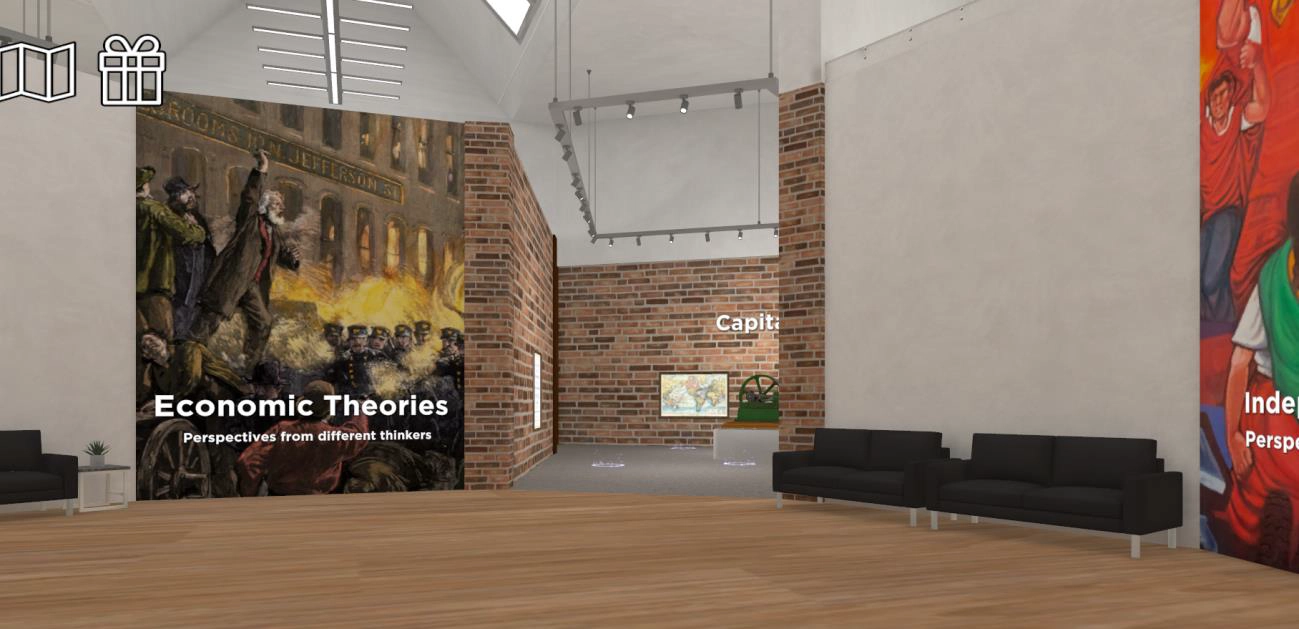
Imagine finishing a chapter about ancient civilizations and then exploring a virtual museum filled with artifacts from that same era. Your child can move through the exhibits, zoom in on historical objects, and experience the environment in a way that makes history feel tangible and real. It is the closest thing to a field trip without leaving your living room.
These experiences pair beautifully with historical fiction because they allow children to see the world their characters inhabited. A story about explorers becomes richer when they can also examine real navigation tools. A novel about ancient cultures becomes more vivid when they can walk through digital museum halls displaying authentic artifacts.
LearningHub also includes tools that help you organize and document your learning journey without the pressure of grades or rigid schedules. You can create playlists around a historical era, collect supporting videos and activities, and allow your child to explore the topics that spark their curiosity.
Our goal is not to replace the magic of reading together on the couch. Instead we want to expand the adventure. When a story sparks a new interest, LearningHub provides the visual resources, interactive tools, and exploration pathways that allow your child to dive deeper.
History stops being something they memorize and becomes something they experience.
Documentation Without the Drudgery
Key Takeaway: Capture the learning through creative journaling and conversation rather than quizzes or tests.
One of the biggest questions parents have when moving away from a traditional homeschool history curriculum is how to prove that learning is happening. In a school setting this is done with multiple choice tests. In your home it can be done with much more joy and authenticity.
You do not need to quiz your child after every chapter. In fact doing so can kill the love of the story. Instead rely on narration. Narration is simply asking your child to tell you back what happened in their own words. You can ask open questions like “What was your favorite part?” or “Why do you think he did that?”
For a tangible record consider keeping a “Book of Centuries” or a simple timeline on the wall. When you finish a book print out a small picture of the cover or the main character and paste it onto the timeline. Over the years you will build a visual representation of human history that your child has personally “visited” through books.
You can also encourage creative journaling. Let them draw a scene from the book. Let them copy out a quote they loved. This combines art, handwriting, and history into one peaceful activity.
For more ideas on how to make this documentation meaningful check out our article on homeschool journaling to see how reflection promotes growth.
Creating a Family Culture of Reading
Key Takeaway: The shared experience of reading aloud builds family bonds that last a lifetime.
Perhaps the greatest benefit of using historical fiction as your homeschool history curriculum is the culture it builds in your home. These stories become a shared language for your family. You will find yourselves referencing characters at the dinner table. You will have inside jokes about historical events.
This approach invites you to slow down. It gives you permission to curl up on the couch with a blanket and a stack of books. It says that learning does not have to be frantic or stressful. It can be cozy. It can be relational.
Remember that audiobooks count too. Listening to a great story in the car while driving to a field trip or a park day is a fantastic way to learn. It allows the whole family to experience the story together even if you have children of different ages.
By choosing stories over dry facts you are giving your children a gift. You are showing them that the world is a fascinating place full of wonder and adventure. You are teaching them that learning is a lifelong journey that is meant to be enjoyed.
So go ahead. Pick up a book. Open the cover. The time machine is waiting for you.
Ready to start your adventure?
Transitioning to a story-based homeschool life is a beautiful journey and you do not have to do it alone. We are here to help you find the resources and support you need to make learning come alive.
Create your free LearningHub.com account today and unlock interactive lessons, interest-based playlists, and gentle tools designed to help you build a homeschool history curriculum that your whole family will love. Join us and let’s make history your favorite subject.
References
EdReports. (2023). What Makes a High-Quality Instructional Material? Retrieved from https://www.edreports.org
Homeschool Mastery Academy. (n.d.). Homeschool Curriculum, Resources & Encouragement. Retrieved from https://homeschoolmasteryacademy.com/
Hummingbird Homeschool. (n.d.). Teaching Reading Comprehension Success Tip. Retrieved from https://hummingbirdhomeschool.com/homeschool-blog/reading-comprehension-strategies

