
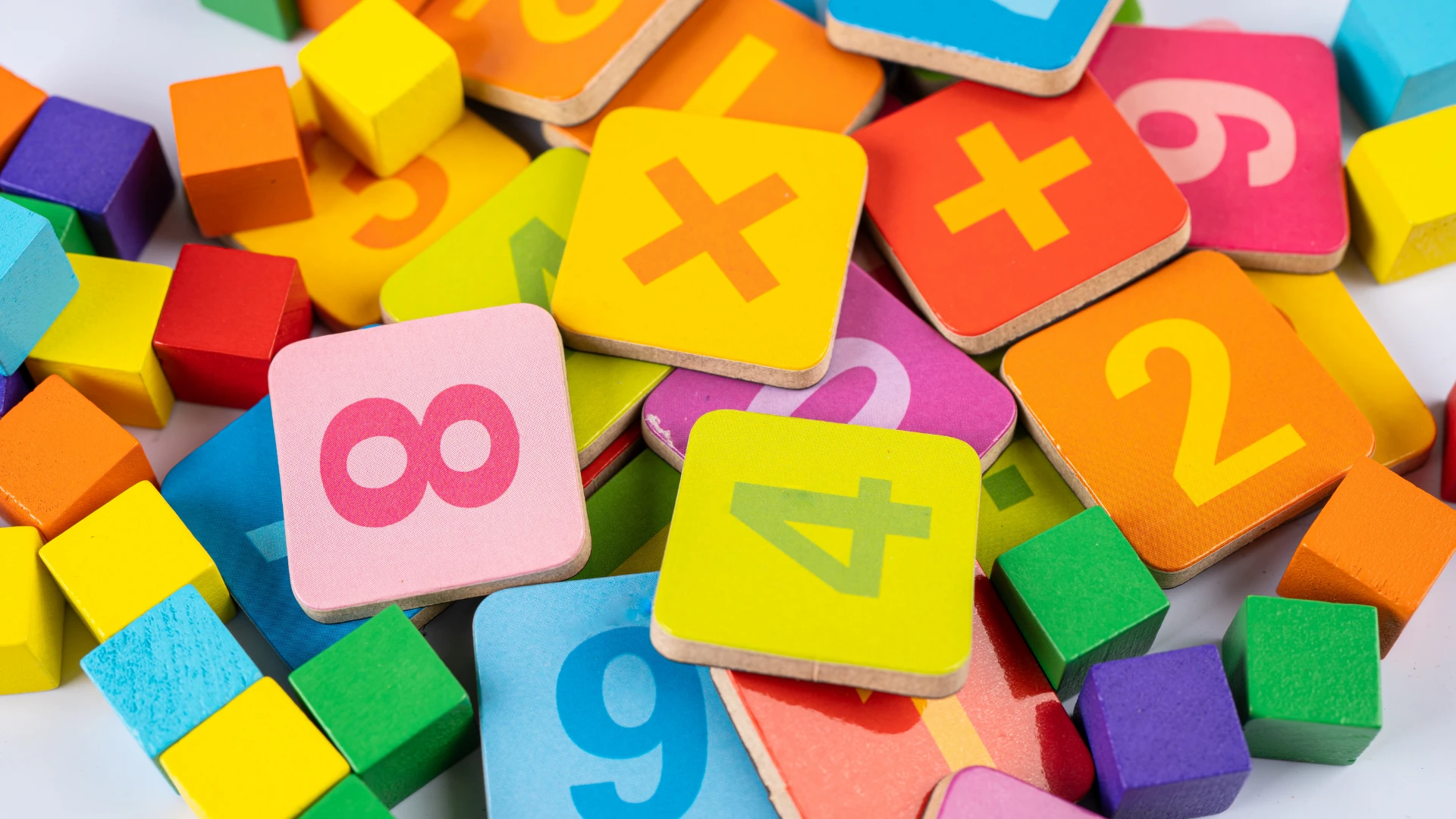
If you have ever sat at the kitchen table with a frustrated child and a textbook that feels like it is written in a foreign language, you are not alone. Many of us started our homeschooling journey with the weight of our own school experiences on our shoulders. We remember the dry drills and the “when will I ever use this” feeling. It is completely normal to feel a bit of pressure when it comes to exploring math concepts at home. You might worry about covering all the bases or wonder if you are doing enough. The beautiful truth is that math is not just a collection of symbols on a page. It is the language of the world around us. By shifting our focus toward real world math activities, we can move away from the stress of abstract puzzles and into the joy of practical discovery.
What are Real World Math Activities?
We do not need to rely on rigid structures to find “math time.” Real world math activities are simply the ways we use numbers, logic, and patterns in our daily lives. Think of it as applied math in its purest form. Instead of asking a child to solve a problem about a train leaving a station, we look at the clock to see how long it takes for the bread to rise. Instead of doing a worksheet on percentages, we figure out the discount on a new set of art supplies.
When we embrace everyday math, we are teaching our children that these concepts are tools for living. It is about seeing the geometry in the spiderweb on the back porch or the fractions in a shared pizza. This approach feels less like “doing school” and more like exploring life together. It removes the fear of being wrong and replaces it with the satisfaction of solving a real problem.
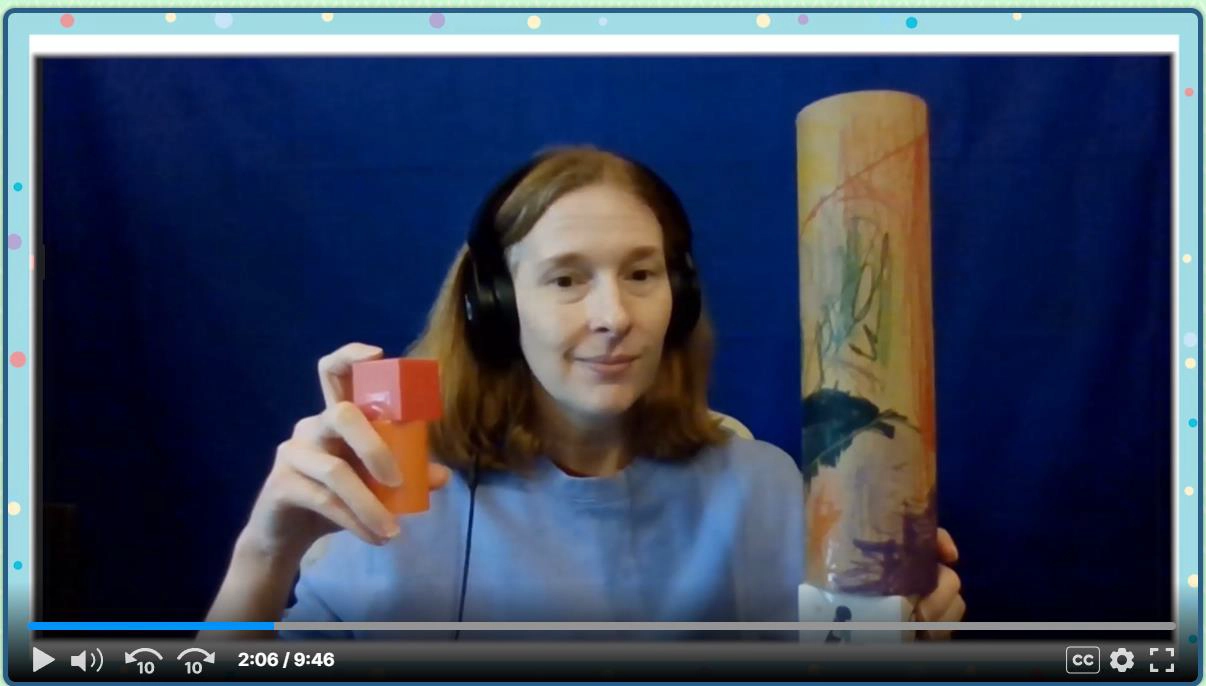
LearningHub.com has many lessons showing how to bring math concepts into the real world with teaching lessons and interactive practice. You can explore these concepts further through this interactive math lesson (open Playlist first) which offers a gentle way to learn and practice skills in a low-pressure environment.
Bringing Math into the Heart of the Home
The kitchen is perhaps the most natural laboratory for practical math lessons. There is something deeply satisfying about seeing a complex idea turn into a delicious meal.
- Baking and Fractions: Doubling a recipe or cutting one in half is the most organic way to understand how fractions work. Asking your child how to get three quarters of a cup using only a quarter cup measure builds a physical understanding of parts and wholes.
- Budgeting at the Grocery Store: Give your child a small budget and a list. Let them compare prices and weights to find the best value. This is a wonderful way to introduce decimals and rounding without a single textbook in sight.
- Measurement and Volume: Filling jars or seeing how many cups fit into a gallon pitcher helps children visualize volume.
By keeping things hands-on, you are providing a safety net for your child to experiment. If you are looking for ways to keep the rest of your day just as engaging, you might enjoy finding joy in the everyday fun homeschool activities which can help bridge the gap between “lessons” and “life.”
Exploring Patterns in the Great Outdoors
Nature is full of mathematical wonders. Stepping outside is often the best way to reset a day that feels a bit stuck. When we look at a pinecone or a sunflower, we are seeing complex patterns and sequences in action.
- Symmetry Hunt: Look for leaves or butterflies and talk about how both sides match. This is a gentle introduction to geometry.
- Estimating Heights: Use shadows to estimate the height of a tree. It is a simple way to play with ratios and proportions.
- Counting and Sorting: For younger children, gathering acorns or stones and sorting them by size or color builds foundational logic skills.
When you take your learning outside, the world becomes the teacher. For more ideas on how to use your backyard as a resource, check out the great outdoors your ultimate classroom for homeschool learning. This resource is a wonderful companion for families who want to break free from the four walls of a traditional room and find freedom in nature.
Practical Math for the Builders and Creators
If your child loves to build or create, they are already using math. Whether they are working with wooden blocks, cardboard boxes, or digital tools, they are navigating space and measurement constantly.
- DIY Projects: Planning a birdhouse or a garden bed requires measuring, adding, and subtracting. These real-world math activities show children that accuracy has a purpose.
- Map Making: Drawing a map of your neighborhood or a fictional land involves scale and distance. This is a fun way to explore spatial reasoning.
- Sewing and Crafting: Measuring fabric or counting stitches in a knitting project are excellent ways to practice mental math and patterns.
Using these moments helps your child see themselves as a capable problem solver. If your child is more interested in the storytelling side of things, you can even find math in literature or by creating a living homeschool resource library that grows with your family. A good library offers stories that make even the most “complex” ideas feel relatable and human.
Using Money as a Tool for Learning
Money is one of the most direct ways to practice math that children encounter. It is a tangible way to understand addition, subtraction, and even more complex ideas like interest or taxes.
- Setting Up a Small Business: Whether it is a lemonade stand or selling crafts, your child will learn about profit, loss, and expenses.
- Saving for a Goal: Help your child track their progress toward a specific toy or outing. Using a chart to visualize their savings makes the math feel rewarding.
- Comparing Sales: Look at flyers and talk about “buy one get one” deals. This introduces the concept of unit pricing in a very practical way.
Handling physical coins and bills helps solidify the connection between the number on a page and its value in the real world.
Validating the “Slow and Steady” Approach
It is okay if some days don’t feel like a breakthrough. Sometimes, the most important math lesson is learning how to be patient with a difficult problem. In a traditional school setting, there is often a rush to move to the next topic before a child is ready. In your home, you have the freedom to stay with a concept for as long as it takes.
Takeaway: Your child’s curiosity is more important than the speed at which they finish a chapter.
If you ever feel unsure about how to track these moments of growth without using traditional tests, you can find helpful tips on simple ways to measure academic progress in your homeschool. This article is great because it reminds us that progress looks like a child confidently explaining a concept or applying a skill in a new way, rather than just getting a high score on a paper.
Connecting with Other Families
You do not have to figure this all out on your own. Connecting with other parents who are also focusing on child-led, real-world learning can be incredibly reassuring.
- Share Resources: Trade ideas for math games or local places that offer hands-on learning experiences.
- Join a Co-op: Sometimes it is fun to tackle a big project, like building a community garden or a large scale model, with a group.
- Online Communities: Find spaces where parents celebrate “math in the wild” moments.
Finding your community can make the transition away from traditional school feel much more supported. For more on this, look into homeschool socialization: finding your tribe beyond the classroom walls. This resource helps debunk the idea that homeschooling is isolating and shows how vibrant your social life can be when you step outside the system.
Practical Scenarios for Every Age
Math looks different as children grow, but the core idea of keeping it real remains the same.
- For Younger Children: Focus on “how many” and “how much.” Count the stairs as you walk up, sort the laundry by socks and shirts, and use blocks to see how tall a tower can go before it falls.
- For Middle Ages: Move into “how does this work.” Look at the speedometer in the car and talk about miles per hour. Use a stopwatch to time how fast the dog runs. Start introducing the idea of “variable” costs when planning a family outing.
- For Older Children: Dive into “how can I manage this.” Give them more responsibility over their own schedule or a clothing budget. Let them help with the logistics of a family trip, including calculating gas mileage or travel times.
As you move through these stages, you might find that your role shifts from teacher to mentor. This is a beautiful transition that allows your child to take ownership of their own learning journey. Research from the Alliance for Self-Directed Education suggests that when children are given the agency to pursue their own interests, they often develop a deeper and more lasting understanding of the subjects they explore. This aligns perfectly with the goal of raising lifelong learners who see math as a partner in their adventures rather than a hurdle to overcome.
Finding Your Flow with Math
Every family has a different rhythm. Some might love a dedicated “math hour” full of games, while others prefer to let math happen as it comes up throughout the week. Both ways are valid. The goal is to reduce the friction and increase the connection.
- Keep Tools Handy: Have measuring tapes, calculators, scales, and play money easily accessible.
- Be a Learner Yourself: If you encounter a math problem in your own life, think out loud. Let your child see you figure out how much paint you need for a wall or how to calculate a tip at a restaurant.
- Focus on the Process: Celebrate the creative way your child solved a problem, even if they didn’t get the “right” answer the first time.
When we prioritize the relationship over the result, math becomes a bridge instead of a wall. This philosophy is echoed by thinkers like Alfie Kohn, who discusses the importance of looking at the quality of the learning experience rather than just the final product. For those interested in this perspective.
Transforming the Abstract into the Tangible
The shift from abstract concepts to awesome discoveries happens when we stop treating math like a separate subject and start seeing it as a part of our daily rhythm. Whether you are measuring the growth of a backyard garden, calculating the time until a favorite holiday, or figuring out how to divide a batch of cookies, you are doing math.
You are doing a wonderful job. By choosing this path, you are giving your child the gift of a learning environment that is as unique as they are. You are teaching them that their questions matter and that the world is a place worth understanding. LearningHub.com is here to walk alongside you, offering resources that celebrate this freedom and support your family’s unique style.
Want to help your child see the magic in numbers and the logic in the world around them? At LearningHub.com, we offer thousands of flexible lessons, interest-based playlists, and gentle tools to support your journey with real world math activities. Create your free account today and start building a learning life that feels as natural as breathing.
References
Alliance for Self-Directed Education. (n.d.). Alliance for Self-Directed Education. Retrieved from https://www.self-directed.org/
1000 Hours Outside. (n.d.). Match Screen Time with Green Time. Retrieved from https://www.1000hoursoutside.com/
The Homeschool Mom. (n.d.). The Homeschool Mom: Homeschooling Resources and Support. Retrieved from https://www.thehomeschoolmom.com/
Leslie Martino. (n.d.). Joyful Learning: The Key Elements That Make All the Difference. Retrieved from https://lesliemartino.com/joyful-learning-the-key-elements-that-make-all-the-difference/

