

One of the first questions we hear when we tell people we are homeschooling usually revolves around socialization. It is the great myth that hangs over our heads. We worry that by stepping away from the traditional school building, we are somehow cutting our children off from the world. But if you have been on this journey for even a short while, you know the reality is quite different. The world is much bigger than a classroom.
However, finding your people can still feel daunting. You might live in a rural area, or perhaps you just haven’t found a local co-op that fits your family’s rhythm. This is where the digital age becomes a blessing. Online homeschool groups have evolved far beyond simple message boards. They are now vibrant, lifesaving ecosystems where parents find support and children find genuine friends who share their niche interests.
In this guide, we are going to explore how you can leverage online homeschool groups and virtual clubs to build a community that feels real, supportive, and deeply connected, even if it starts through a screen. We will look at how to find the right groups, how to keep your children safe, and how to balance digital connection with real-world play.
Redefining Community in a Digital World
When we think of community, we often picture neighborhood block parties or a busy playground. While those are wonderful, digital communities offer a different kind of support that is equally valuable. Online homeschool groups allow you to connect based on shared values and specific interests rather than just geography.
This is particularly helpful for families who might feel like outliers in their local area. Maybe you are unschooling in a district that is very rigid, or perhaps you are raising neurodivergent children who find large in-person groups overwhelming. In the digital space, you can find a tribe that speaks your language.
What Are Virtual Homeschool Clubs?
Before we dive deeper, let’s clarify what we mean by virtual clubs. These are not just online classes where a teacher lectures while students stare at a screen.
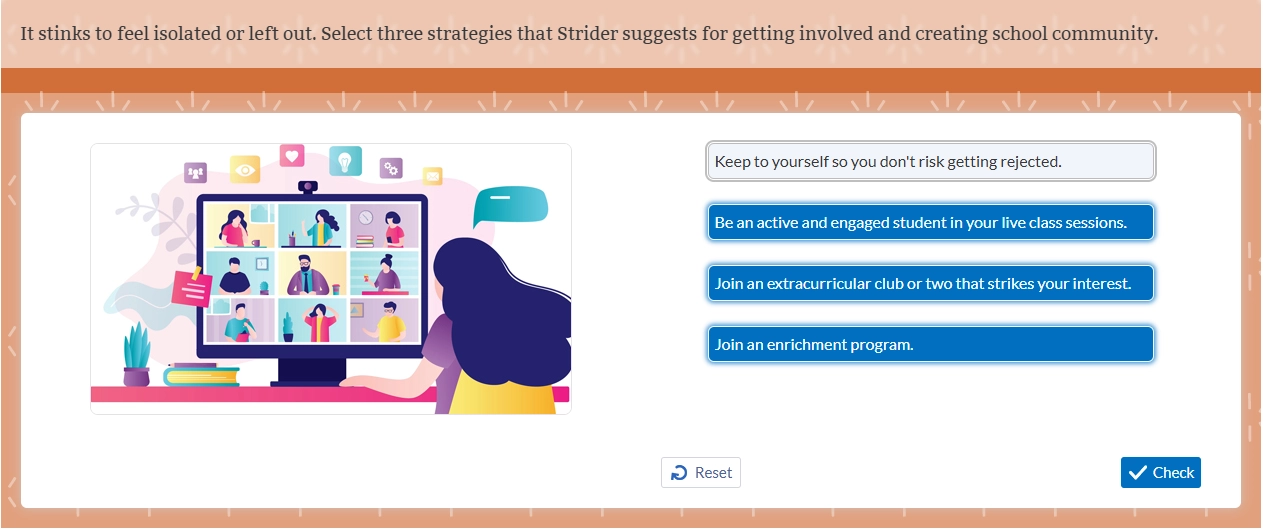
Virtual homeschool clubs are interactive, child-led gatherings focused on social connection and shared passions. Think of them as the digital equivalent of an after-school club. They might include:
- Lego Build Challenges: Kids bring their bricks and build together while chatting.
- Book Clubs: Readers discuss their favorite characters and plot twists.
- Art and Sketching Circles: A quiet space to draw and share creations.
- Minecraft or Gaming Servers: safe spaces for kids to collaborate on digital projects.
These gatherings prioritize relationship building over instruction. The goal is connection. For families looking for a structured way to start, exploring virtual school clubs can be a great way to see how diverse these online social communities can be, offering everything from chess to cooking.
The Benefits of Joining Online Homeschool Groups
Stepping into the world of online homeschool groups can feel like a breath of fresh air for both you and your learners. It opens doors that might otherwise remain closed due to distance or scheduling conflicts.
For the Parents: Validation and Support
Homeschooling is a beautiful journey, but it can also be exhausting. There are days when the science experiment fails or the motivation just isn’t there. Having a community of fellow parents who “get it” is essential.
Online homeschool groups provide instant access to mentorship. You can ask questions about how to handle a specific challenge or simply vent about a rough morning. You will find that you are never actually alone in your struggles.
For the Kids: Niche Interests and “Their People”
One of the most magical aspects of online homeschool groups and virtual homeschool clubs is the ability to connect kids with specific passions.
If your child is obsessed with herpetology (the study of reptiles) or ancient Egyptian history, it might be hard to find a neighbor with the same intensity of interest. But online? There is almost certainly a club for that. Finding peers who share their excitement validates their interests and encourages them to dive deeper.
For more ideas on how to foster these connections, you can explore this article on finding your tribe beyond the classroom walls. It offers great perspective on how digital and physical communities complement each other.
How to Find Safe and Engaging Online Groups
The internet is a vast place. Finding high-quality online homeschool groups takes a little bit of intentional searching. You want spaces that are supportive, safe, and aligned with your family’s values.
Start with Your Curriculum or Method
Many families find their first online community through the resources they already use. If you use a specific method, such as Charlotte Mason or unschooling, search for online homeschool groups dedicated to that philosophy. These spaces often have a higher level of alignment because everyone is operating from a similar mindset.
LearningHub.com is a wonderful place to start this journey. Because the platform is built around interest-led learning, it naturally attracts families who value flexibility and creativity. It provides a common ground for connection.
Look for “Social Clubs for Kids” specifically
When searching, use terms like “social clubs for kids” rather than just “classes.” You want to find spaces where the microphone is open and the chat box is active.
Here is a checklist for vetting a new group:
- Privacy Settings: Is the group private or public? Private groups are generally safer for sharing personal experiences.
- Moderation: Is there an active administrator who ensures kindness and safety?
- Tone: Read the last ten posts. Are people encouraging one another, or is there bickering?
- Focus: Is it purely educational, or is there room for fun and chatting?
Creating Your Own Virtual Homeschool Clubs
Sometimes the perfect group doesn’t exist yet. That is okay. You have the freedom to create it. Starting your own virtual homeschool clubs is easier than you might think, and it puts you in the driver’s seat regarding safety and scheduling.
Step 1: Choose a Theme
Ask your child what they would love to do with friends. It could be as simple as “Show and Tell” or as specific as “Stop Motion Animation.”
Step 2: Pick a Platform
You need a reliable video conferencing tool. Most families are familiar with Zoom or Google Meet. Ensure you understand the security settings, such as waiting rooms and password protection, to keep the gathering safe.
Step 3: Invite a Small Circle
Start with families you know, perhaps friends who moved away or cousins who live in different states. As you get comfortable, you can expand to include friends of friends.
Activity Ideas for Parent-Led Virtual Clubs
- The Lunch Bunch: Everyone logs on simply to eat lunch together and chat. No agenda.
- Art Share: Kids hold up their latest drawings or crafts.
- Story Time: One parent reads a picture book aloud while the kids listen and look at the pictures.
- Science Fair: Kids present a simple experiment they did at home.
For more inspiration on structuring these gatherings, check out this guide on finding your homeschool community. It breaks down the differences between co-ops and casual groups.
Balancing Screen Time with Green Time
A common concern with online homeschool groups is the increase in screen time. We all want our children to have dirty hands and sun-kissed faces, not just digital avatars.
The key is intentionality. Use the digital connection as a launching pad for real-world activity. If your child is in a virtual nature club, the “screen time” portion might only be 20 minutes of sharing what they found, followed by three hours of hunting for bugs in the backyard.
It is helpful to view technology as a tool for connection rather than consumption. When a child is actively engaging with a peer in a virtual homeschool club, their brain is working differently than if they were passively watching a video.
Tips for Healthy Balance:
- Schedule Buffers: Immediately after an online meetup, schedule outside play or movement.
- Hands-On Components: Encourage clubs that require doing something with your hands, like knitting or Lego building, while chatting.
- Open Conversations: Talk to your kids about how they feel after an online session. If they seem drained, adjust the frequency.
We love the philosophy of 1000 Hours Outside, which encourages families to match screen time with green time. It is a wonderful framework for keeping that healthy balance we all strive for.
Nurturing Social Skills in a Virtual Space
You might wonder if online homeschool groups truly help with socialization. The answer is a resounding yes, but it looks different than in-person interaction.
In a virtual homeschool club, children learn to:
- Take Turns: Audio lag means you have to wait for your friend to finish speaking.
- Listen Actively: Without as many body language cues, listening becomes even more important.
- Express Themselves Clearly: They learn to articulate their thoughts so others can understand them without physical context.
These are vital communication skills for the modern world. Furthermore, for shy children, the screen can act as a safety buffer. It allows them to participate without the sensory overwhelm of a crowded room. Once they build confidence online, that often translates to increased confidence in person.
If you are navigating the unique social needs of a neurodivergent child, online homeschool groups can be particularly accommodating. HSLDA offers excellent resources and support networks for homeschooling children with special needs, helping you find communities that embrace your child exactly as they are.
Bridging the Gap: From Online to In-Person
The ultimate goal of online homeschool groups is often to enhance your overall sense of community, which includes your local life. Many homeschool community online platforms have regional subgroups.
You might join a large national group for general support and then discover three other families in your county. This can lead to park meetups, field trips, or mom’s night out.
Use the online space to break the ice. It is often less intimidating to meet someone for coffee after you have chatted with them online for a month. You already know you share similar values and parenting styles.
The Hybrid Model
Many successful homeschool communities operate on a hybrid model. They might have a weekly in-person co-op and then a mid-week virtual homeschool club for book discussions or gaming. This keeps the connection alive without requiring parents to drive across town every single day.
Overcoming the Fear of “Missing Out”
In the age of social media, it is easy to look at other homeschooling families and feel like you aren’t doing enough. You see photos of elaborate co-ops or massive field trips and worry that your online homeschool groups are a “lesser” form of socialization.
Please let go of that comparison. Your homeschool community online is real. The friendships your children form while battling a dragon in a video game or discussing a favorite book over Zoom are valid.
What matters is that your child feels seen, heard, and connected. Whether that connection happens across a picnic table or across a fiber optic cable, the main part of the matter is the relationship.
Practical Steps to Get Started Today
If you are ready to expand your circle, here is a simple plan to get started this week:
- Identify One Interest: Ask your child what one thing they wish they could talk to a friend about.
- Search Intentionally: Look for online homeschool groups or social clubs for kids centered on that interest.
- Observe First: Join a group and observe the interaction for a few days to ensure it feels right.
- Introduce Yourselves: Make a simple post introducing your family. You will be surprised at how warm the welcome usually is.
- Check LearningHub.com: Use the resources at LearningHub.com to find learning paths that might connect you with others.
Building Your Village, Your Way
Homeschooling gives us the freedom to design an education that fits our children. It also gives us the freedom to design a community that fits our family. Online homeschool groups are a powerful tool in that design process.
They erase geographic borders and bring like-minded families into your living room. They offer support on the hard days and shared joy on the good ones. Whether you are looking for virtual homeschool clubs for your kids or a supportive forum for yourself, the digital world is waiting to welcome you.
Remember, you are the architect of this journey. You can mix and match in-person gatherings with online connections to create a vibrant, diverse, and loving village for your children. You are doing a wonderful job, and you don’t have to do it alone.
Let Us Help You Connect
We know that finding the right resources and community can feel like a full-time job. We want to make that easier for you.
At LearningHub.com, we offer thousands of flexible lessons and interest-based playlists that make it easy to facilitate virtual homeschool clubs or simply follow your child’s curiosity. Create your free account today and discover a library of tools designed to help you build a rich, connected, and joy-filled homeschool experience.
References
1000 Hours Outside. (n.d.). Match Screen Time with Green Time. Retrieved from https://www.1000hoursoutside.com/
HSLDA. (n.d.). Homeschooling Children with Special Needs. Retrieved from https://hslda.org/teaching-my-kids/special-needs
K12. (n.d.). Virtual School Clubs. Retrieved from https://www.k12.com/k12-community/virtual-school-clubs/

